
Abstract
English learners (ELs) are a growing segment of the U.S. student population — now making up nearly 10 percent of K-12 enrollment and over 30 percent of the young child (birth to 8) population. Despite the size of the EL population, few education policies are designed to address and cultivate the considerable assets that ELs bring to the classroom. To help address gaps in policies and practice, New America's EL team has created this resource hub to provide to provide a starting point for understanding a variety of issues related to ELs and their education.
Accountability, Assessment and Data
English learners are required to take state standardized assessments that measure their progress in reading, math and other subjects, but must also take annual English language proficiency exams to track their progress in learning and mastering English. These exams are used to inform state accountability systems that are designed to identify gaps in performance and schools in need of additional support in effectively serving ELs. In order to better serve ELs, states, school districts and schools need a strong understanding of how to interpret and understand EL data, which includes identification, reclassification, and performance on national and state standardized assessments. The resources included here offer an overview of key policies at the federal and state level and essential considerations for designing data systems to capture the performance and growth of EL students. Read more
Dual Language Learner Data Gaps: The Need for Better Policies in the Early Years
Janie Tankard Carnock, June 27th, 2018
In recent years, public leaders have increasingly sought to invest in our nation’s youngest learners. Funding for early care and education (ECE) for children ages 0-5 has grown substantially, along with federal dollars for Head Start and child care subsidies. At the same time, another figure is rising: the number of young children learning English while developing another language at home. This report explores how state leaders can build data systems that more fully account for young DLLs and their distinct needs.
Seeing Clearly: Five Lenses to Bring English Learner Data into Focus
Janie Tankard Carnock, August 16, 2017
Nearly one-third of children in the United States live in a household where a language other than English is spoken. Across diverse geographic and political contexts, schools play a critical role in integrating these students into American society, equipping them with English mastery for strong college and career outcomes. Understanding and drawing inferences from EL data is complicated for a variety of reasons. This report offers a framework of five corrective lenses that are critical for viewing this population accurately.
Blog Posts
- New Research: DLLs’ Language Acquisition Patterns Are Anything But Simple
- NCLB’s Impact on Bilingual Education in New York City
- After AMAOs: Defining What Progress for English Learners Means Under ESSA
- More Meaningful Assessments for Dual Language Learners
- Making State Report Cards Work for English Learners
Demographics
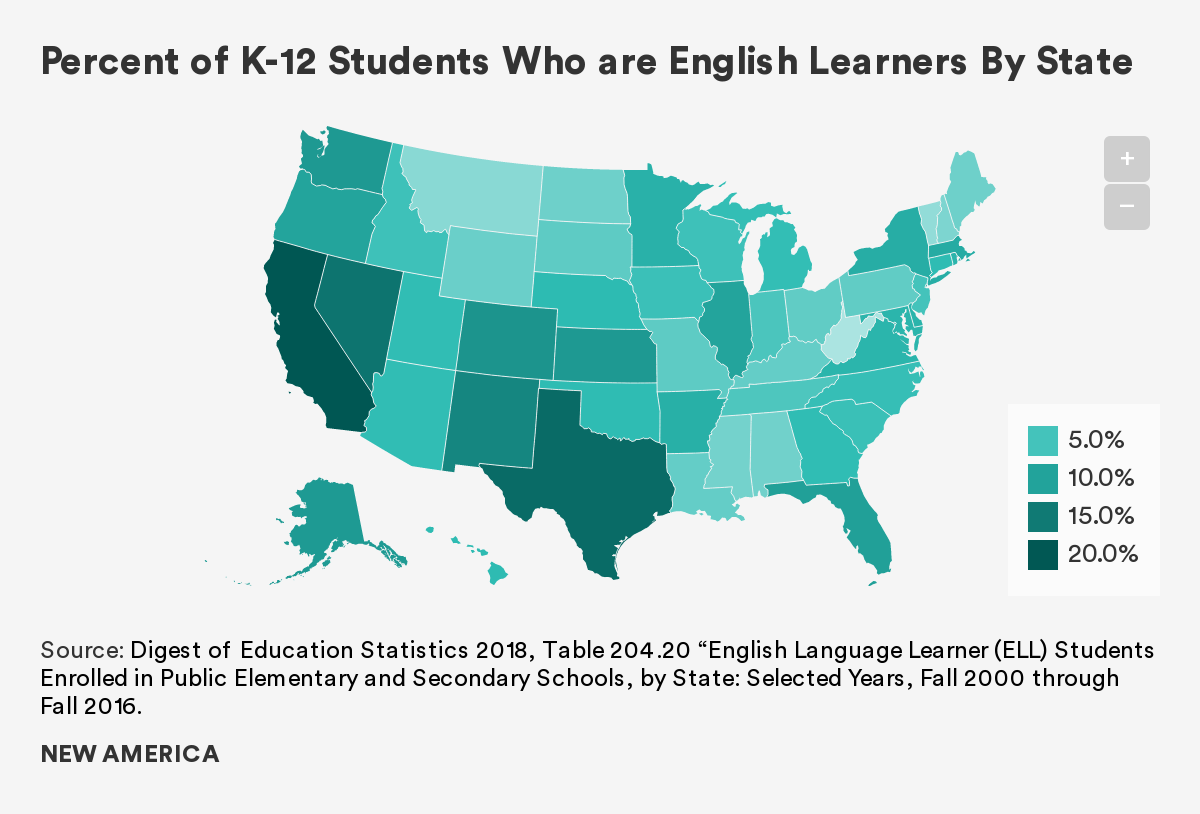
English learners represent a growing segment of the U.S. student population. Between 2000 and 2016, the number of EL students grew by roughly 28 percent across the country. While ELs have historically had sizable populations in major settlement states, like California and Texas, new parts of the country saw triple-digit increases in the number of ELs during this time. This growing share of students is a diverse group with varied native languages, educational experiences, and socio-economic backgrounds. Collecting and reporting data on ELs has long been challenging, but understanding the demographic profiles of ELs is important for understanding how to best address their needs. Read more
Blog Posts
Early Education
High-quality early learning experiences provide young children with a foundation for life-long learning. Research demonstrates that young English learners (also referred to as dual language learners) language acquisition, early literacy, and early numeracy are strengthened from participation in early learning programs such as Head Start. Yet, EL participation in early childhood education often lags behind other groups and few state-funded programs (e.g. home visiting, public pre-K) include an explicit focus on recruiting and serving EL children. The resources included here provide a window into how localities are designing programs with the needs of ELs in mind and on research highlighting the value of early learning for these children and their families.
Supporting Early Learning in America - Policies for a New Decade
Laura Bornfreund, Elise Franchino, Amaya Garcia, Lisa Guernsey, Abbie Lieberman, Aaron Loewenberg, Cara Sklar, February 19th, 2020
Over the last decade, there has been increased attention on early education, but real progress for children and families has remained out of reach. We want America’s children to become lifelong learners who are able to think critically and inventively, manage their emotions and impulses, and make smart decisions by drawing upon a rich knowledge base about how the world works. To make this goal a reality for all children, New America makes eight recommendations, suggests specific actions, and pinpoints which actors—federal, state, and local policymakers, as well as educators and administrators—should help move the work forward.
Dual Language Learner Data Gaps: The Need for Better Policies in the Early Years
Janie Tankard Carnock, June 27th, 2018
In recent years, public leaders have increasingly sought to invest in our nation’s youngest learners. Funding for early care and education (ECE) for children ages 0-5 has grown substantially, along with federal dollars for Head Start and child care subsidies. At the same time, another figure is rising: the number of young children learning English while developing another language at home. This report explores how state leaders can build data systems that more fully account for young DLLs and their distinct needs.
Stories from the Nation’s Capital: Instructional Programs and Supports for Dual Language Learners from PreK–3rd Grade in Washington, D.C.
Amaya Garcia and Conor Williams, October 30, 2015
In recent years, Washington DC has seen increases in their EL student population. These changes are prompting local school districts to reimagine and redesign their approaches to serving these students. This report examines how D.C.’s experience with reforms, such as universal pre-K and school choice, have impacted the educational experiences of the city's growing EL student population.
Boomtown Kids: Harnessing Energy and Aligning Resources for Dual Language Learners in San Antonio, Texas
Conor P. Williams, Jan. 1, 2013
San Antonio, Texas is ahead of most other cities in designing and implementing reforms and strategies to support the academic and linguistic development of their dual language learners. This report examines the history, design, implementation and effectiveness of three essential initiatives that the city has adopted in order to better support its DLLs.
Videos
A Model for Bilingual Teaching – Sobrato Early Academic Language (SEAL)
June 11, 2019
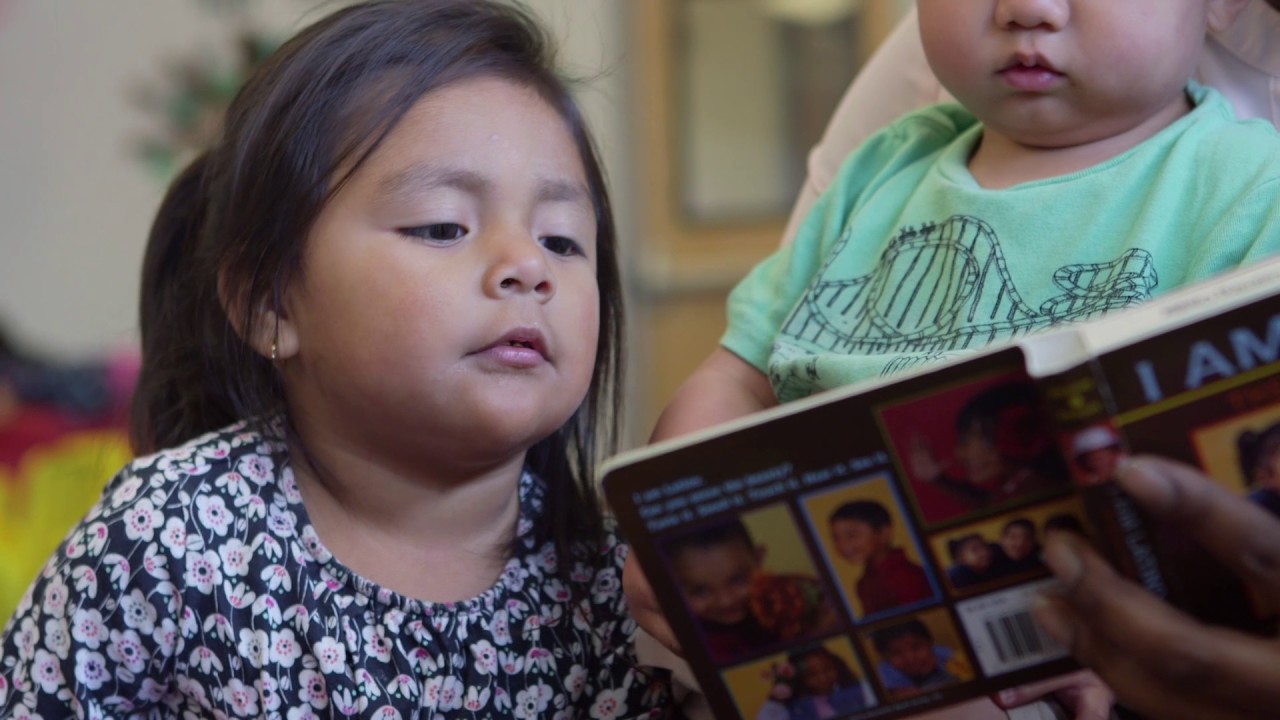
This video highlights the Sobrato Early Academic Language (SEAL) model of professional development, with a a focus on how teachers can support bilingualism.
How Educators in Fresno Are Working Together to Support Young, Dual Language Learners
January 30, 2017
This video showcases how the Fresno Language Project is adapting national models of best practices to improve outcomes for young dual language learners across their community.
Blog Posts
- Early Learning Standards For DLLs: How Can States Do Better?
- Pre-K Works Especially Well for Children of Immigrants
- Head Start Works Particularly Well for Dual Language Learners
- New Reports Outline Early Learning Policies for Dual Language Learners
- Refugees and Early Childhood Education
- How Language and Immigrant Background Influence Pre-K Participation and Kindergarten Readiness
- DLLs and Head Start: Framing Bilingualism as an Asset
EL Educator Recruitment, Preparation and Professional Development
Teachers of English learners must be adequately equipped to instruct learners who need to master English while also meeting the same academic content achievement standards all students must meet. To prepare this workforce, educator preparation and professional development must include a focus on working with ELs and strategies for adapting instruction in service of ELs. Research is clear that ELs perform best in settings that support their home languages—states and districts are also investing in preparing more bilingual educators through a variety of pathways. These resources offer a look at locally developed programs that aim to better prepare teachers to meet the needs of EL students and their families. Read more
Chicago’s Bilingual Teacher Residency: A Partnership to Strengthen the Teacher Pipeline
Amaya Garcia, Roxanne Garza, October 28th, 2019
Chicago Public Schools (CPS) is in the midst of a teacher shortage crisis. At the same time, the district is looking for ways to increase the racial and linguistic diversity of the educator workforce. A new bilingual teacher residency program is attempting to help close these gaps and ease current shortages by recruiting from within and tapping paraeducators who show promise and interest in becoming licensed teachers. This paper explores how CPS designed and implemented the program in partnership with National Louis University and the National Center for Teacher Residencies.
Teacher Talent Untapped: Multilingual Paraprofessionals Speak About the Barriers to Entering the Profession
Kaylan Connally, Amaya Garcia, Shayna Cook, and Conor P. Williams, January 12, 2017
Multilingual paraprofessionals represent an untapped pool of potential teacher talent. Approximately one in five paraprofessionals speaks a language other than English at home. Furthermore, paraprofessionals often have the linguistic and cultural competence schools need and significant experience instructing and supporting students. Yet, they often face significant bureaucratic, linguistic and financial barriers to entering the teaching profession. This paper highlights these barriers using data from focus groups conducted with multilingual paraprofessionals in five cities.
Bilingual Teacher Fellows at Highline Public Schools
Amaya Garcia, September 20, 2017
Highline Public Schools has set an ambitious goal: for every student to graduate bilingual and biliterate. To help accomplish this goal, the district is investing in developing bilingual teachers from within. This report explores the district's partnership with Western Washington University to recruit and prepare bilingual paraeducators to become teachers.
Videos
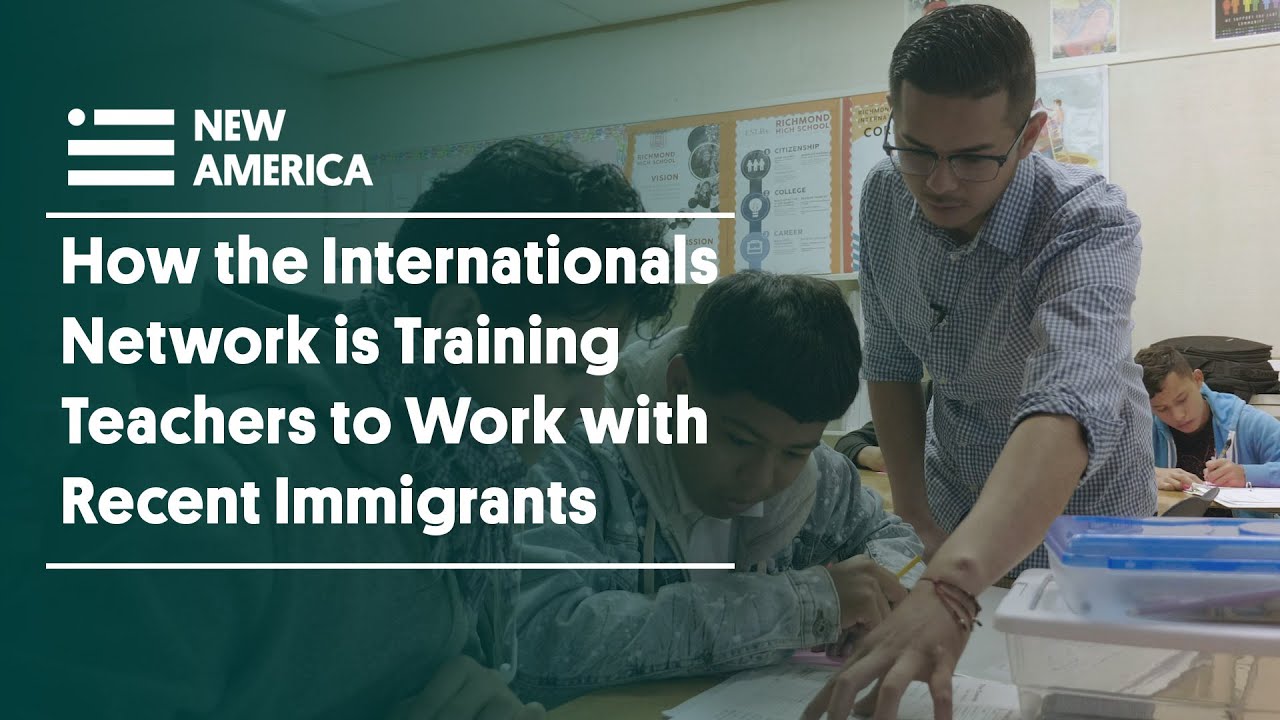
Professional Development for Teachers of English Learners: The Internationals Approach
March 2, 2020
This video explores the professional development and instructional model utilized by the Internationals Network for Public Schools to prepare teachers to work with newcomer, refugee and recently arrived immigrant students.
A Model for Bilingual Teaching – Sobrato Early Academic Language (SEAL)
June 11, 2019
This video highlights the Sobrato Early Academic Language (SEAL) model of professional development, with a focus on how teachers can support bilingualism.
How Educators in Fresno Are Working Together to Support Young, Dual Language Learners
January 30, 2017
This video showcases how the Fresno Language Project is adapting national models of best practices to improve outcomes for young dual language learners across their community.
Blog Posts
- Essential Policies and Practices for Grow Your Own Programs
- Matching the Changing Demographics of Young Children in the Early Ed Workforce
- Are ECE Degree Programs Preparing Teachers to Work with DLLs?
- Diversifying the Teacher Workforce with ‘Grow Your Own’ Programs
- DCPS Uses New Approach to Develop Dual Immersion Teachers
- Growing our Own on Hawaii's Wai'anae Coast
- Teachers of ELs Want Support Integrating Digital Learning Resources
- Paraprofessionals Could Help Solve Bilingual Teacher Shortages
Family Engagement
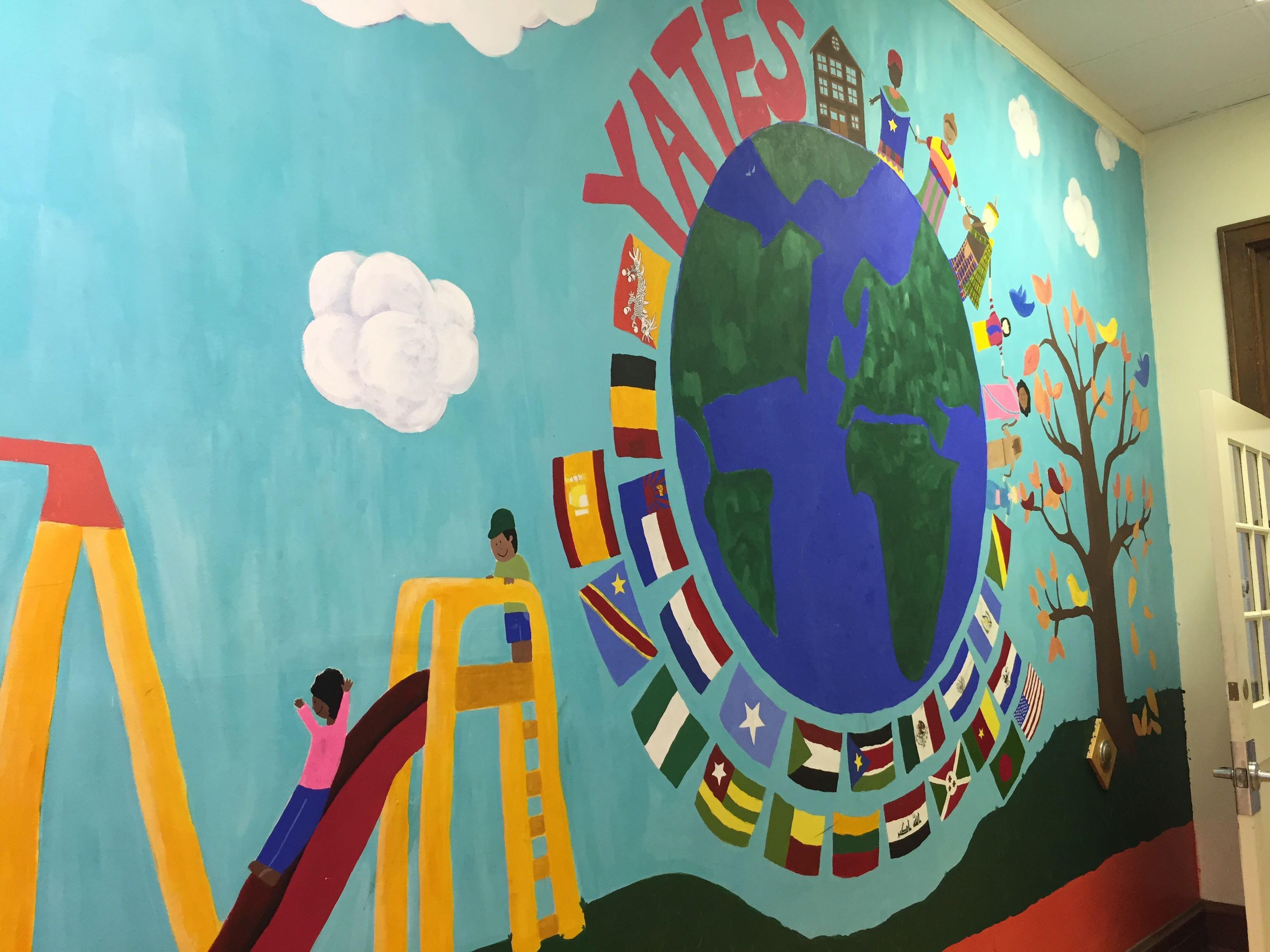
Research points to the importance of family engagement for a range of student outcomes. Unfortunately, there are linguistic, cultural and socioeconomic barriers that have made it challenging for schools to fully engage with the families of their English learner students. To help meet the need, schools can deploy bilingual staff, rethink the traditional approaches to family communication and implement targeted programs. These resources provide examples of the range of strategies schools and districts are using to engage and support EL students and their families.
Blog Posts
Federal Laws/Legislation
English learners are protected under a variety of federal laws that mandate the services that states and districts are legally obligated to provide. Most recently, the Every Students Succeeds Act (ESSA) required that EL students be included in state accountability systems that dictate school improvement efforts. At the state level, local jurisdictions have set policies related to EL instruction (e.g. bilingual mandates, dual language immersion initiatives), data reporting, teacher qualifications, family engagement and more. The following resources offer deep dives into state policy, analysis of federal policy and overviews of how districts are responding to these policies. Read more
English Learners with Disabilities: Shining a Light on Dual-Identified Students
Janie Tankard Carnock, Elena Silva, July 30th, 2019
This report provides an overview of the separate but intersecting federal policies that govern the identification of and services provided to English learners and students with disabilities. This overview will frame key opportunities to serve ELs with disabilities more equitably with the aim of helping policymakers, advocates, and practitioners take more strategic action on behalf of these students.
Blog Posts
Funding
English learners have unique educational needs that are often supplemented with specialized instruction from teachers trained to support language acquisition. The federal government provides EL funding to states through Title III of the Every Student Succeeds Act (ESSA). In addition, 48 states and the District of Columbia provide extra funding for ELs through funding formulas, block grants or reimbursements. Read more
Financing Dual Language Learning
Clare McCann and Jessica Bowen, November 26, 2014
English learners make up a sizeable—and growing—portion of the student population. Yet the federal role in helping states and school districts to teach and support those students remains rather limited. Title III of the Elementary and Secondary Education Act is the primary federal funding source for EL education and is largely inadequate to the need. This issue brief seeks to demystify the funding structure for Title III dollars by highlighting the history of financing for that program and how those funds are distributed to states and localities.
Blog Posts
- Lessons from Texas on the Relationship Between School Funding and the Academic Achievement of English Language Learners
- New Report Examines Equitable School Funding for ELs
- New Study Examines Costs of Dual Language Immersion Programs
- The Art of Implementation: California's LCAP's Fall Short for ELs.
Instructional Models and Resources
One of the most important school factors impacting English learners is the educational model through which they are instructed. The ways ELs are taught also impact their home language skills and content knowledge. The resources included here provide a look at the variety of instructional models being leveraged to serve EL students.
Educating California's English Learners: Westminster Brings Students’ Home Languages Into the Mainstream
Amaya Garcia, October 25, 2017
California is on the cusp of a potential resurgence in bilingual education thanks to the recent passage of Proposition 58, which scales back components of the state’s English-only law and provides districts with greater flexibility in providing bilingual instruction for all students. This paper explores Westminster’s process in designing and implementing two distinct dual language immersion programs in the span of two years.
A Critical Mass: Creating Comprehensive Services for Dual Language Learners in Harrisonburg
Amaya Garcia and Janie Tankard Carnock, October 18, 2016
In the past two decades, the number of English Learners in Harrisonburg grew from 10 percent of all K–12 students to a high of 41 percent. These children represent 51 home languages and 46 different countries. This paper explores Harrisonburg City Public Schools comprehensive system of instructional programs, social-emotional supports, and family engagement strategies targeted to meet the needs of its EL students.
A Voice for All: Oregon's David Douglas School District Builds a Better PreK–3rd Grade System for Dual Language Learners
Conor P. Williams and Amaya Garcia October 30, 2015
Early education investments, family engagement efforts and focus on students’ oral language development are building a strong foundation for dual language learners’ success in Portland’s David Douglas School District. This report tracks the variety of policies that helped make David Douglas one of just eight Oregon districts to meet state and federal expectations for ELs’ progress and proficiency in 2014.
Videos
Professional Development for Teachers of English Learners: The Internationals Approach
March 2, 2020
This video explores the professional development and instructional model utilized by the Internationals Network for Public Schools to prepare teachers to work with newcomer, refugee and recently arrived immigrant students.
A Model for Bilingual Teaching – Sobrato Early Academic Language (SEAL)
June 11, 2019
This video highlights the Sobrato Early Academic Language (SEAL) model of professional development, with a focus on how teachers can support bilingualism.
How Educators in Fresno Are Working Together to Support Young, Dual Language Learners
January 30, 2017
This video showcases how the Fresno Language Project is adapting national models of best practices to improve outcomes for young dual language learners across their community.
Blog Posts
- Supporting English Learners Through Open Educational Resources
- Districts and Teachers Want More Digital Learning Resources Developed with ELs in Mind
- Dual Immersion Programs: How States Foster Expansion, Face Challenges
- New Guide Supports Key Advancements in Dual Language Education
- Portland Public Schools: Achieving Equity One Dual Immersion Program at a Time
- Interview: New Research Links Dual Immersion to Reading Score Gains
- International High School at Largo Aims to Boost Graduation Rates of EL Students
Research on English Learners

Ideally, policy and practice are informed by rigorous research that aims to strengthen our understanding of how ELs learn best. Over the past five years, we have seen more research confirming the efficacy of dual language immersion programs for supporting ELs’ academic and linguistic growth, reaffirming that parents should continue to speak in their home languages with their children, and spotlighting effective strategies for enhancing ELs’ english language development. Yet, many studies are tucked away in academic journals and written for academic audiences. The resources included here aim to translate academic research and offer strategies for connecting research, policy and practice.
For a comprehensive examination of research on ELs, please see the National Academies of Science, Engineering and Medicine consensus report Promoting the Educational Success of Children and Youth Learning English: Promising Futures.
Blog Posts
- When the “English Learner” Label Works Against Students
- Rethinking the Word Gap
- Social and Emotional Learning for English Learners
- What is Heightened Immigration Enforcement Doing to U.S. Schools?
- The Role of Science in Boosting Outcomes for English Learners
- Multilingualism as a Tool for Closing Achievement Gaps
State Laws/Legislation
The federal government sets laws that mandate state and district's obligations to educating English learners and provides supplemental funding to support those efforts. States have wide discretion to set their own policies regarding the instructional models used, the process for identifying and exiting EL students, data reporting, and teacher preparation to work with ELs. The resources included here highlight a variety of state laws and policies that are impacting the educational experiences of English learners. Read more
Educating California's English Learners: Chula Vista’s Expansion of Dual Language Programs in an Era of English-Only Policies
Amaya Garcia, November 8, 2017
In 1998, California voters approved Proposition 227, a ballot initiative that effectively eliminated bilingual instruction in favor of English-only approaches. Over the next decade, bilingual education was eroded through sharp declines in programs and in bilingually certified teachers. But, just as the state was moving away from bilingual education, one school district in Southern California was taking a decidedly different approach. This paper explores how Chula Vista scaled up dual language immersion programs during a time of English-only policies.
Pioneering Change: Leveraging Data to Reform English Learner Education in Oregon
Janie Tankard Carnock, August 16, 2017
In June 2015, Oregon Governor Kate Brown signed House Bill 3499 for English learner students into law, describing it as a “watershed moment” in the state’s educational system. The law broke new ground for how to use data to identify and support the lowest-performing districts for ELs across the state. Critically, it came with a dedicated, permanent funding stream: $12.5 million every two years. In the years since its passage, the law has triggered an important sequence of actions. Oregon provides an illustration of what it can look like to apply key principles related to EL data to concrete policy reforms.
From Blueprint To Building: Lifting the Torch for Multilingual Students in New York State
Janie Tankard Carnock, November 3, 2016
Around 30 percent of families across New York State now speak a language other than English at home, resulting in 240,000 English learners in the state’s primary and secondary schools who speak nearly 200 different languages. New York State has redesigned their policies and practices to better support the education of its long-established, yet still growing multilingual population. This report highlights both the bright spots and the emerging challenges of New York’s EL reforms by charting their inception, design and early implementation.
Blog Posts
- Settlement Highlights State Obligations to ELLs
- Arizona to Offer New Flexibility to ELs
- New Education Law Casts Washington as a Leader State for English Learners
- NIEER Releases Data on State Policies to Support DLLs
- How Illinois is Rethinking Data to Track English Learner Success
- Minnesota's Linguistic Diversity and Dual Language Learner Policies
More About the Author