
The Thread
Where policy, equity, and culture come together

Beyond Nation-States: A New Reading List for Understanding Global Politics Today

The Sounds of Change: Josh Kun on Music, Migration, and the Power of Listening

What Young Americans Want Out of Politics: More Parties, More Pathways

The ROAD to Housing Act: Behind the Bipartisan Bill to Unlock America’s Affordable Housing Supply
Editor’s Picks

The SAVE Act Is the Wrong Way to ‘Nationalize’ Elections. There’s a Better One.

Four Ways to Protect Yourself from the Deepfakes Taking over the Internet
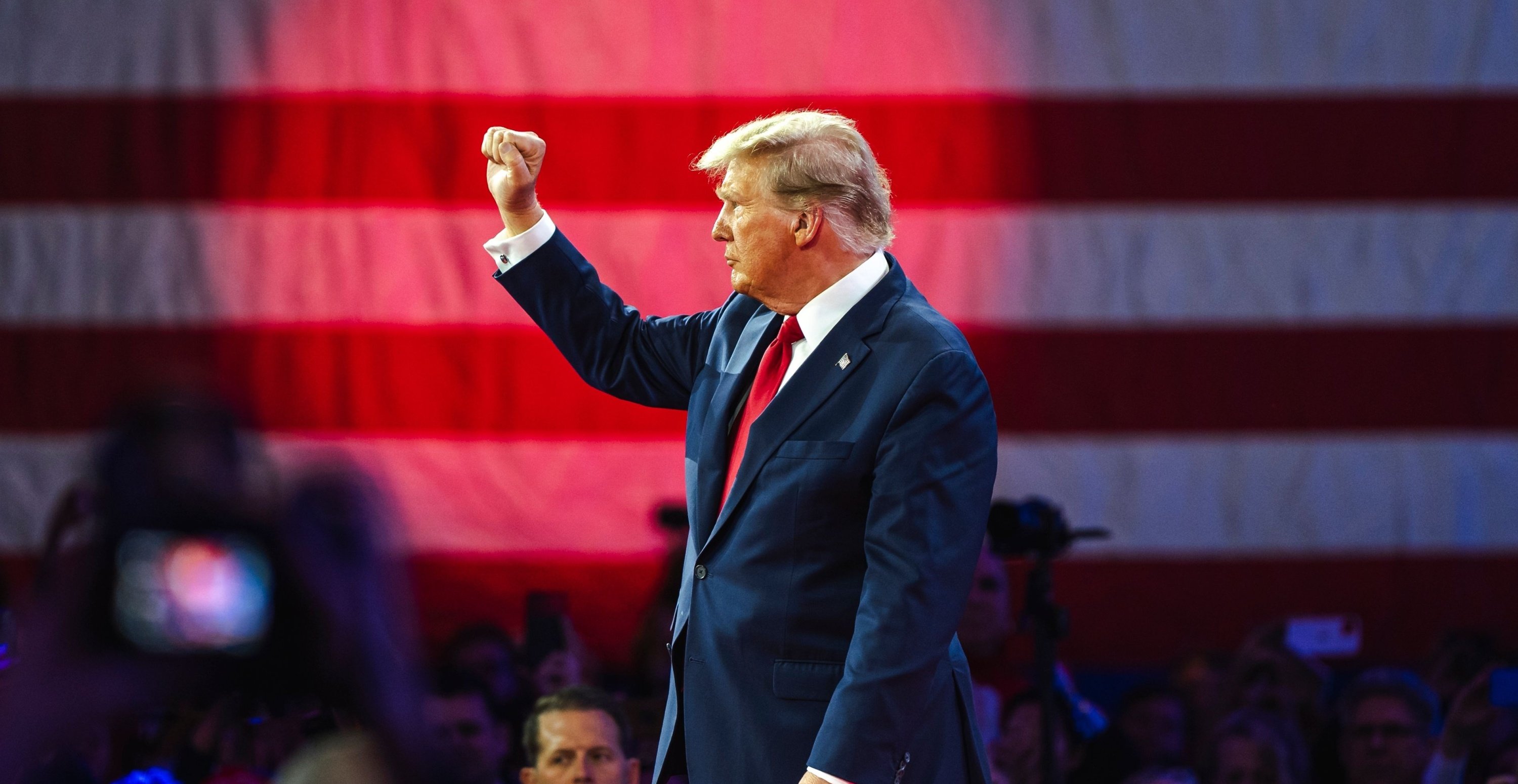
Is Trump Really a Fascist? Examining the Controversial Claim

The Cost of Beauty: Inside the Broken Promise of Cosmetology School
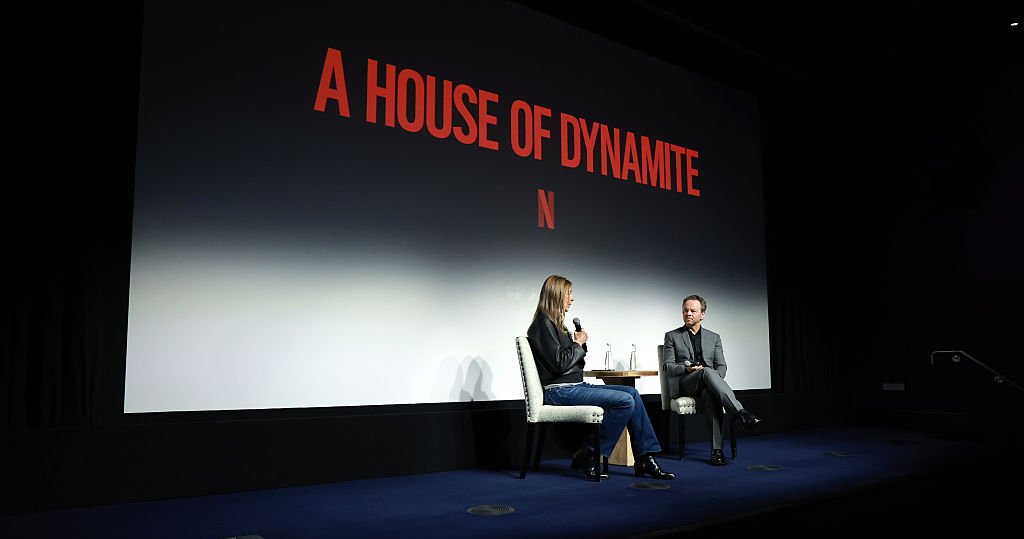
How Netflix’s ‘A House of Dynamite’ Might Change Our Thinking on Nuclear War

On-Screen Representation Means More Than Just Identity. It’s About Context.
The Latest
Looking Back at 9/11: Peter Bergen and David Sterman on 25 Years of the War on Terror
Peter Bergen and David Sterman reflect on the legacy of the 9/11 attacks and share lessons learned.
Beyond Nation-States: A New Reading List for Understanding Global Politics Today
International policy analyst Gordon LaForge recommends must-reads for understanding global conflict and power.
The Sounds of Change: Josh Kun on Music, Migration, and the Power of Listening
Class of 2027 New America Fellow Josh Kun previews his forthcoming book on music and migration.
What Young Americans Want Out of Politics: More Parties, More Pathways
Three young leaders share what energizes them about politics: more parties and more ways to get involved.
The ROAD to Housing Act: Behind the Bipartisan Bill to Unlock America’s Affordable Housing Supply
Despite Trump’s dismissive commentary, the ROAD to Housing Act could ease the affordability crisis.

Major Student Loan Changes Are Coming in July. Here’s What Borrowers Need to Know
Trump’s One Big Beautiful Bill Act is bringing drastic changes to student loans. Here’s what to expect.

The Us@250 Syllabus: A Guide to Celebrating America’s 250th Anniversary
Recommended resources for understanding the United States at 250 years.

Americans Are Tired of Political Parties. This Approach Offers Hope.
New York’s Working Families Party shows the promises of associational party building.

What Do Asian American and Pacific Islander Voters Want in 2026?
Cost of living and economic security are top concerns, and these voters also care about how we are using AI.
Four Ways to Protect Yourself from the Deepfakes Taking over the Internet
Deepfakes are now being widely used online—even by the government. A tech policy analyst shares four tips to spot them and limit their harms.