
Theodore Johnson
Senior Fellow, Democratic Futures
A Chapter of: Miles to Go: Stories of Us at 250
The question at the quarter-millennium is one of national identity: Who does America think it is?
Editor’s note: This essay is adapted from If We Are Brave: Essays from Black Americana by Theodore R. Johnson. It has been lightly edited to adhere to house style.
Senior Fellow, Democratic Futures
In a bicentennial day essay a half century ago, Toni Morrison told a story of her grandparents at odds over progress in America. Her grandmother compared it to the slow-walk of trees, suggesting it often arrives gradually, like a canopy of oaks that climbs the landscape generation after generation. Her grandfather saw things differently, believing that growth doesn’t mean the nation’s nature has changed, or that it ever will. The two elders were realists: Neither papered over the places where the country had fallen short. But for one of them, there were signs of promise; for the other, the project seemed hopeless.
The United States marks its semiquincentennial anniversary this year. To commemorate these 250 years, the White House is planning a traveling state fair, a garden for national heroes, and a mixed martial arts fight on the South Lawn. There’ll be fireworks and parades and odes to our founding stories. If you want to get a sense of a nation, watch how it celebrates its birthday. But if you want to know the character of a country, consider it over larger chunks of time. Benchmark anniversaries offer a window into both—and a way to measure the journey. The question at the quarter-millennium is one of national identity: Who does America think it is?
The earliest believers in America’s providence received a sign on July 4, 1826, its 50th anniversary. Two iconic founders and former presidents—Thomas Jefferson and John Adams—died on that date, and a presidential executive order proclaimed the coincidence proved that “the patriotic efforts of these illustrious men were Heaven directed” and took it as evidence of the nation’s divine protection. A Presbyterian minister tempered the praise in an Independence Day sermon, noting that the same American newspaper championing rights and democracy also “advertises a whole village of human beings for sale.”
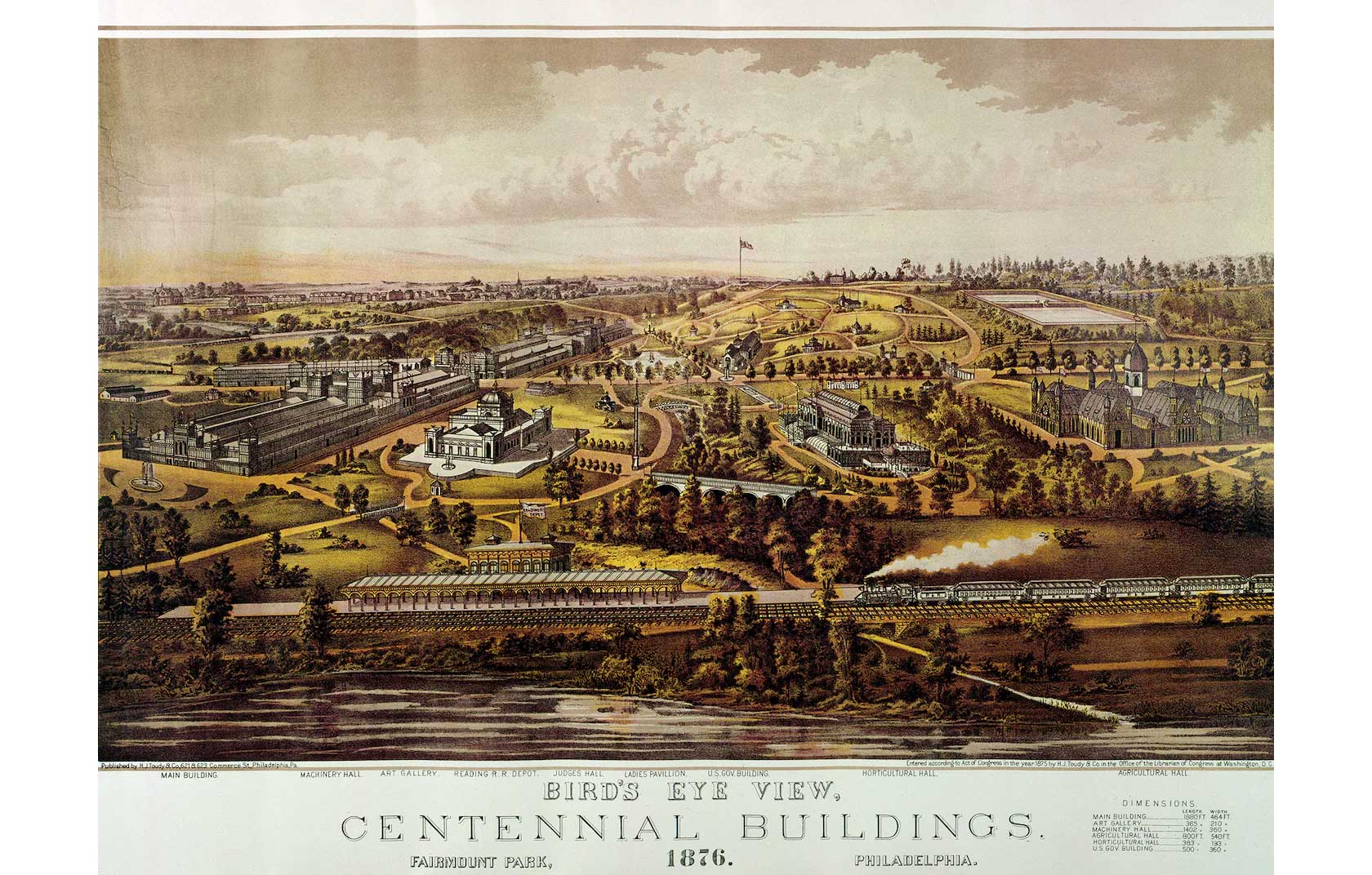
Reaching the century mark in 1876 sparked a commercialized celebration and the occasion for the first World’s Fair held in the United States, the Centennial Exposition. It retold the founding story and debuted innovations including the telephone, electric lighting, the Remington typewriter, and a monorail. Editorials lamented the people’s lagging civic spirit, saying the birthday had been reduced to hangovers and boys with firecrackers. But at the fair in Philadelphia, suffragists interrupted a ceremonial reading of the Declaration of Independence to remind attendees that women still could not vote. And Southerners were upset to see murals of Civil War victory, insisting that bygones should be bygones.
President Ulysses S. Grant’s proclamation asked Americans to attend religious services and thank “Almighty God” for blessing the nation. But the White House that year was decided in a backroom deal in which Republicans got the presidency and the South got the end of Reconstruction; that election remains the nation’s most undemocratic. And on centennial day in South Carolina, a patriotic parade of Black soldiers was interrupted by white nationalists looking for a fight. When all was said and done, seven freedmen were lynched in the massacre at Hamburg.
A theme is revealed in the United States’ first hundred years that continues to shape it: The country might be imperfect, but it is ordained and favored by fate; not even a civil war could stop its ascendance on the world’s stage. It emerged from World War I as a global power, and success was a measure of all America had done.
But its stature was diminished by its politics at home—on race and gender, on class and immigration. And as much as prosperity has been the nation’s blessing, without equality, success for the few comes at the expense of the many. That’s bad for business and for a republic.
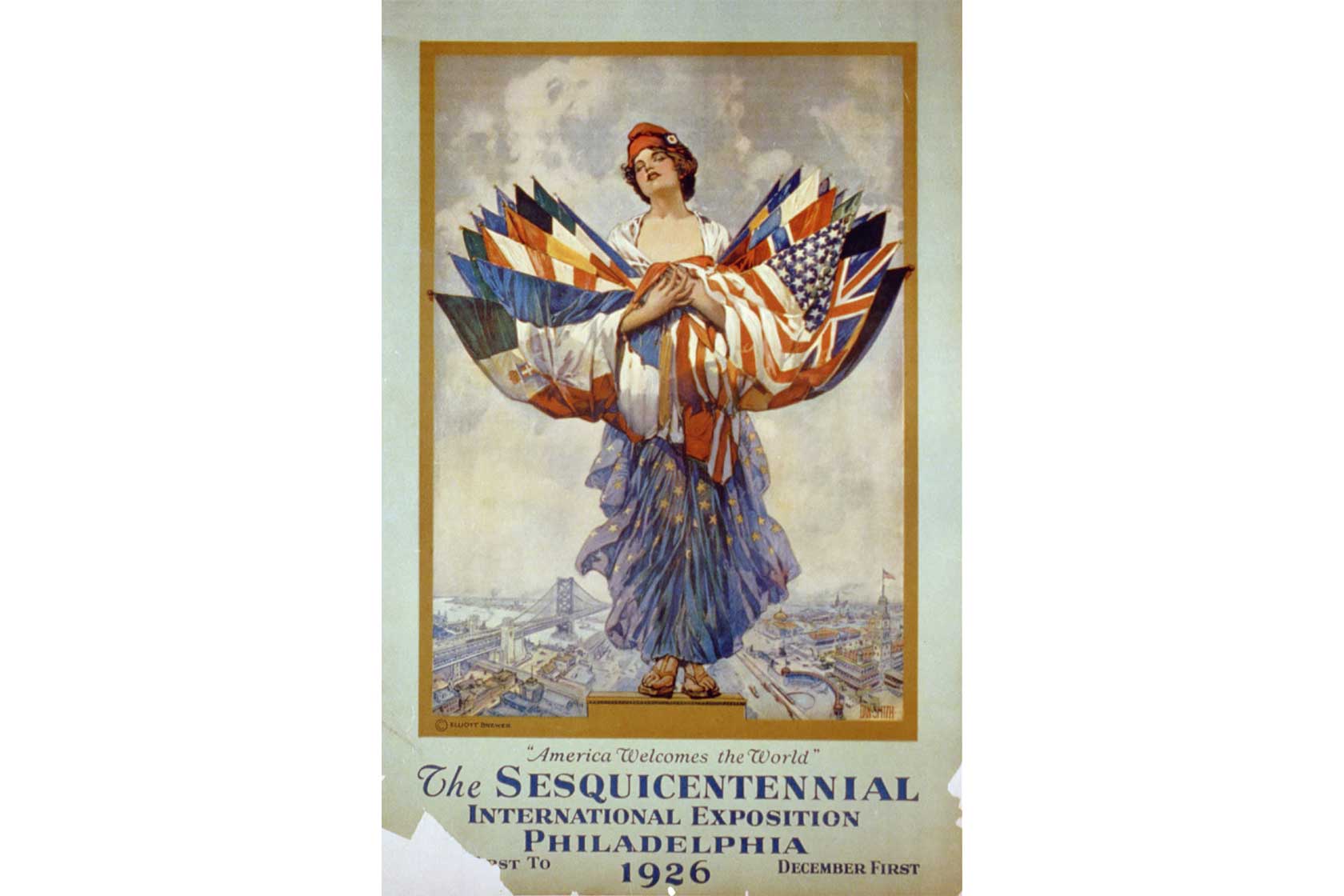
The nation’s 150th anniversary in 1926 was labeled “America’s Greatest Flop” in one publication. The official fair was so unpopular and poorly managed that it fell into receivership. It recouped money by hosting a heavyweight boxing match: Champion Jack Dempsey lost the title to Gene Tunney, a U.S. Marine. President Calvin Coolidge shared the country’s July Fourth birthday and used his sesquicentennial address to recite the nation’s story, extol the founders’ virtues, and cast slavery’s “ultimate extinction on American soil” as the hard problem that the country had proudly solved. “Lift Every Voice and Sing” was sung at the opening ceremonies, and the first observance of what has become Black History Month was held.
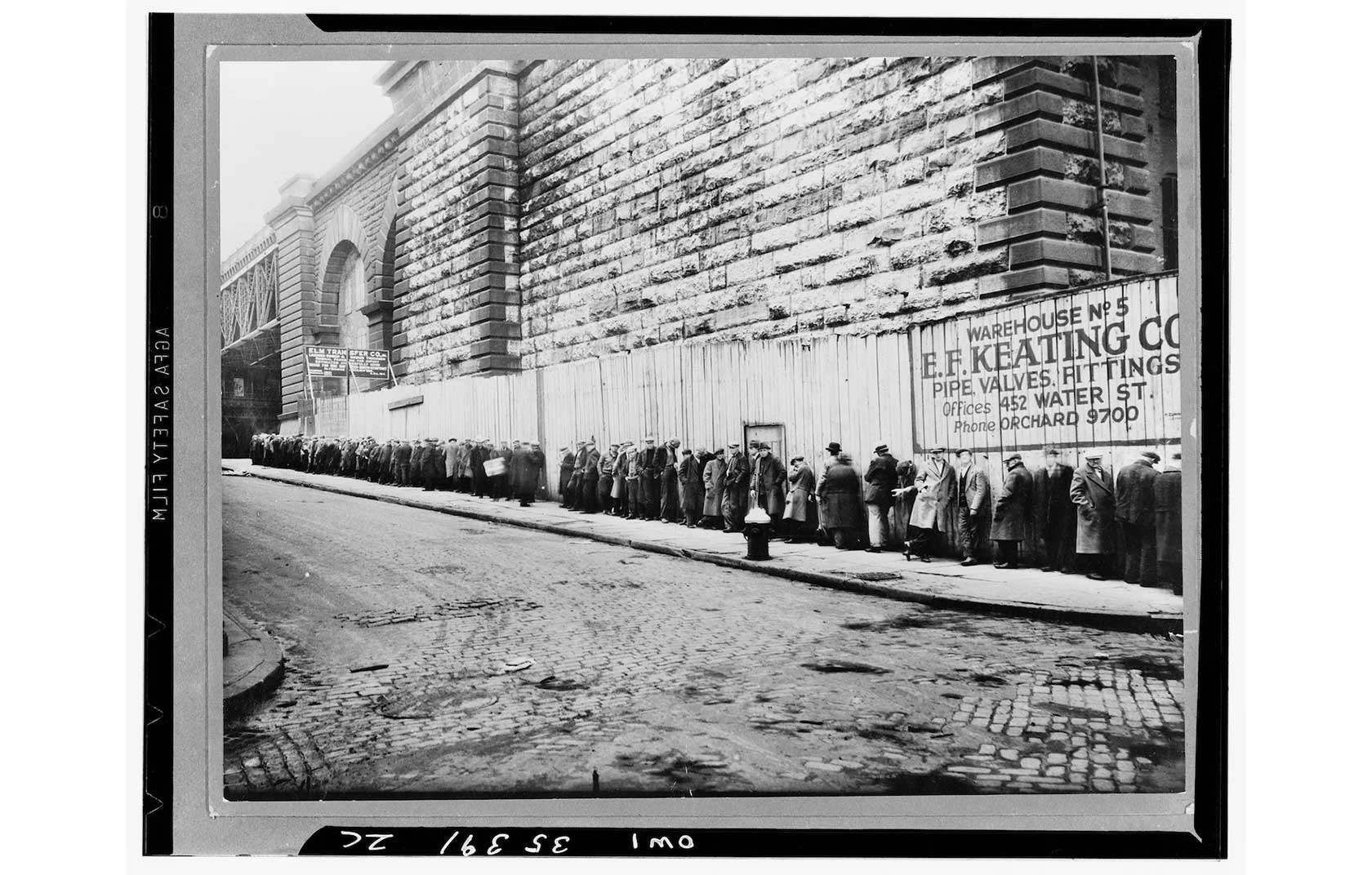
The Roaring Twenties’ laissez-faire approach to capitalism and democracy, though, prioritized business interests over social reforms, leaving just as much room for progress as for decline. The Great Depression and the Great Migration, on the heels of the Great War, contributed to a national identity crisis, a changing economy, and a democracy broken by state-sanctioned discrimination and violence.
By the time Toni Morrison’s grandparents debated the nation’s journey in 1976, the Watergate scandal had put Gerald Ford in the White House, making him the only person to become president without being on the ballot. On bicentennial day, the government-appointed president spoke at the National Archives, where he commended the founders, the genius of democracy, and an America changing for the better.
Holiday sales that are common today sprang up then, rebranding the bicentennial to “buy-centennial.” Noting the country’s persistent economic and racial inequality, Rep. Charles B. Rangel (D-New York) labeled the anniversary meaningless if it was only a “self-congratulatory celebration” rather than a “rededication to full equality.”
Fittingly, the final report from the official bicentennial commission captures the grandparents’ disagreement as well as the competing narratives for America today, in its 250th year: “After a decade of racial tensions, assassinations, scandal, rising inflation, embattled campuses and eroding public trust, what was there left to celebrate? There was plenty.”
This benchmark anniversary will look similar to those of the past. The White House has already demonstrated its preference for uncomplicated histories that paint America as mythical and predestined. Our republic routinely bends to business interests, but the nation has improved on every score since its birth. There is work left undone, and we are still arguing about it: civil rights and immigration and a fair economy. Morrison’s forebears are a reminder that progress is a matter of perspective—and depends on the measure.
The topic of the country’s anniversary came up recently at a reunion in North Carolina. Five generations of my family tree were present, from Georgia and New Jersey, from rural areas and military bases and big cities, trading stories about how things used to be and how they’re going today. We reminisced about those who came before us: “If only they could see us now…” They would be so proud. And unsurprised, too, by the ways that America today feels like an America of a bygone era.
We are a people of faith, so there was a group prayer to start each day. My auntie reverend delivered a short but moving sermon to conclude the reunion. We left hopeful and feeling a renewed sense of duty to one another and to the past: In the end, a tree is known by its fruits.
