Student Outcomes Take a Hit When Immigration Enforcement Ramps Up
Blog Post
[skynesher] [E+] via Getty Images
Feb. 17, 2026
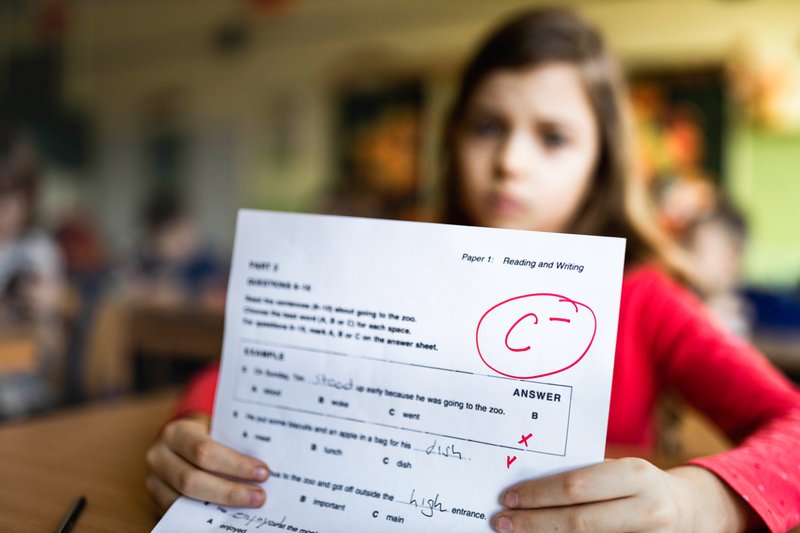
Does increased immigration enforcement negatively impact student outcomes? The answer, according to a new study led by David Figlio from the University of Rochester, and Umut Özek, an independent researcher, is yes.
The researchers recently published a study where they investigated the impact of increased immigration apprehensions on student outcomes in a large urban school district in Florida during the beginning of Trump’s second term. The study focused on a district of over 200 schools where over 30 percent of students are Spanish-speaking, and 15 percent of students are foreign-born hailing from 27 different countries.
To answer the question of whether increased immigration enforcement has negatively impacted student outcomes, the researchers first needed to determine the likelihood that students in a school are exposed to heightened immigration enforcement activity. To calculate this exposure rate, or “school-level immigration apprehension intensity measures” as the study describes it, they used apprehension data for Florida by country of birth and “the distribution of country of birth in each school in the district.” Then, the researchers linked these measures to student-level administrative data from the school district to compare changes in student outcomes in English Language Arts and math between December 2024 and May 2025. The district’s size and diversity made it easier for the authors to identify variations in the intensity of immigration enforcement and to connect these actions with student outcomes.
The authors found that increased immigration policing at the beginning of 2025 dragged down test scores for Hispanic students as well as U.S.- and foreign-born Spanish-speaking students. These negative effects were significant and more striking in higher-poverty middle and high schools. Spanish-speaking students with lower test scores in 2024 and female students were also more likely to be affected.
These findings, though narrowly based on one school district in Florida, may provide insight into the potential academic fallout from the Trump administration’s continued campaign against immigrant communities across the country. The most recent wave of immigration raids in Minnesota and Maine, for example, have turned especially violent and teachers are reporting that their students—including U.S. citizens—are being significantly impacted.
Indeed, academic harms from Trump’s mass deportation campaign extend beyond those with precarious immigration statuses. The authors note that the fact that both U.S.- and foreign-born Spanish-speaking students were negatively affected shows that unfettered immigration activity has impacted students even if they are not vulnerable to deportation themselves. In these cases, the increased risk of their parents being deported or a heightened risk that their community would be targeted by immigration agents negatively impacted their outcomes. And as study author David Figlio remarked in an interview, “school leaders across the country are going to have to confront the fact that regardless of immigration status, this is affecting the human capital and academic performance of a large group of students.” The scope of this impact cannot be understated as there are 14.4 million Latino children enrolled in public K–12 schools, and an estimated 4.71 million U.S. citizen children have an undocumented parent at home.
Findings from the study also reinforce the growing realization that immigration-related arrests are focused on specific immigrant communities. Research by the New York Immigration Coalition found that Immigration and Customs Enforcement (ICE) is disproportionately targeting Latinos. Figlio and Özek extend these findings by highlighting how increased arrests and deportations are playing out for different Latino communities.
They found that people from Guatemala, Honduras, Mexico, and Nicaragua had the highest exposure rates to increased immigration enforcement during the period covered by the data, compared to those from the Dominican Republic, Venezuela, and Ecuador. Because of this differential impact, the authors could conclude that some schools were more likely than others to be caught up in rampant immigration enforcement activities. Those differences matter for student outcomes: the higher the exposure rate, the bigger the impact on test scores. When the administration targets immigrants from particular countries, children of immigrants that come from those countries may experience greater academic harm.
As the authors state, immigration policy and enforcement in the interior of the U.S. in 2025 was markedly different from anything seen in the past. Between February and August 2025, ICE arrests were 50 percent higher—at minimum— than the monthly apprehension rate in any year since 2014. The study was one of the first to document the negative impact of the uncharacteristically aggressive interior immigration enforcement on student outcomes. Given the acceleration of the administration’s deportation campaign over the last year, the study’s results would likely be even stronger today, said Figlio. One important implication of the study is the need for researchers to continue studying the impact of unchecked immigration enforcement on student outcomes so that schools can implement targeted interventions and strategic supports.