
Reimagining Early Care and Education: A New American Vision
The way the U.S. funds and delivers early care and education does not meet the needs of most children, families, and educators. The crises of 2020 have brought a bright light to the fragility, inadequacies, and inequities of the existing policies and systems.
But these crises of 2020 did not cause the failures of our systems. Our country’s systems have not worked well for most children, families, and educators for far too long. But in the middle of a devastating pandemic, economic recession, persistent racial injustice, and violent political extremism, early care and education is especially critical. We must take advantage of this moment — the national attention and the sense of urgency — to reimagine funding, access, delivery, and quality of early care and education, and the systems that support child and family well-being.
Rescue and stabilization are vitally important, but we know they are not nearly enough. On March 30, New America’s Early & Elementary Education Policy team held an event to reimagine early care and education systems and put forward bold changes needed to realize a new vision. The event focused on reimagining in two key areas:
- Equity and the whole child; and
- Systems alignment that supports children and families— vertically to elementary and secondary education and horizontally across the systems that are meant to strengthen family well-being.
On this page, you will find the full event recording, clips of key discussions from the event, and the voices of researchers, advocates, celebrities, and government officials on why reimagining early care and education is important, and resources. If you would like to be engaged in this ongoing conversation and work, please sign up for our newsletter.
Event-Related Resources from New America
Speakers, Discussions, Reports, and Takeaways

Opening Remarks from John B. King Jr.

Reimagining for Equity and the Whole Child: Remarks from Cecilia Muñoz and Panel Moderated by Brigid Schulte

Fireside Chat with Medha Tare, Kathy Hirsh-Pasek, & Roberta Golinkoff
Reimagining for Better Connections and Alignment Across Systems: Panel Moderated by Helene Gayle
Voices on Why We Need to Reimagine Early Care and Education
Government Officials on Why Early Care and Education Is a Priority

Report from New America: Supporting Early Learning in America
Over the last decade, there has been increased attention on early education, but real progress for children and families has remained out of reach. We want America’s children to become lifelong learners who are able to think critically and inventively, manage their emotions and impulses, and make smart decisions by drawing upon a rich knowledge base about how the world works. To make this goal a reality for all children, New America makes eight recommendations, suggests specific actions, and pinpoints which actors—federal, state, and local policymakers, as well as educators and administrators—should help move the work forward.

Key Takeaways from the Event
At New America’s Reimagining Early Care and Education: A New American Vision event, speakers and panelists shared their visions for a better system and innovative approaches for achieving it. Here are their primary themes.

What did other experts have to say?

"The coronavirus relief packages have really highlighted where federal policy can make significant differences. It should help us create a universal system for families."
Danielle Ewen
Principal, EducationCounsel

"Accessible care is not just this thing for people who are having trouble making ends meets, this is a part of our basic social fabric."
Elliot Haspel
Program Officer, Education Policy & Research, Robins Foundation

"Everybody in corporate America who has employees needs to recognize how people’s lives are benefited by early education and having that in the economy."
Brandy Lawrence
Sr. Director, Birth-3 Policy, Communication and Partnerships at Bank Street College of Education

"More than half of our students are students of color. If our system isn’t working for them, it’s not working, period."
Shantel Meek
Founding Director, Children's Equity Project, Arizona State University

"We cannot call child care essential for the economy and have 37% of educators in Massachusetts eligible for public assistance."
Amy O'Leary
Director of Early Education for All, Strategies for Children

"Education is not just in the brick and mortar. It occurs outside the school with communities and families."
Kathy Hirsh-Pasek
Professor, Temple University

"As we become more focused on ending persistent racial injustice, schools have to examine their roles in disrupting disparities in how children of color are disciplined."
Helene Gayle
President & CEO, The Chicago Community Trust

"We need to commit to data collections about what children and families have access to. Data allows us to assess the impact and outcomes of reforms, investments, and policies."
Lea J.E. Austin
Director, Center for the Study of Child Care Employment, UC Berkeley

"We have an increased attention that child care is part of our national infrastructure. It’s no longer something 'nice to have' but something we must have as a nation."
Sara Slaughter
Executive Director, W. Clement & Jessie V. Stone Foundation
Other Relevant Resources Shared During the Event

Build Stronger: A Child Care Roadmap (The Alliance for Early Success)
We all know that we cannot return to the broken child-care system we had before the pandemic. But what will it take to build something that truly serves children, families, providers, educators, and our economy with equity and quality at its core? Over the course of four months, the Alliance for Early Success convened a Build Stronger Child Care Policy Workgroup – comprised of our state and national allies – to answer that question. The result is the Build Stronger Child Care Policy Roadmap.

Picking up the Pieces (Child Care Aware of America)
Picking Up the Pieces is organized into three chapters that explore the impact of COVID-19 on:
- Access to Child Care
- The Affordability of Child Care
- Child Care Quality
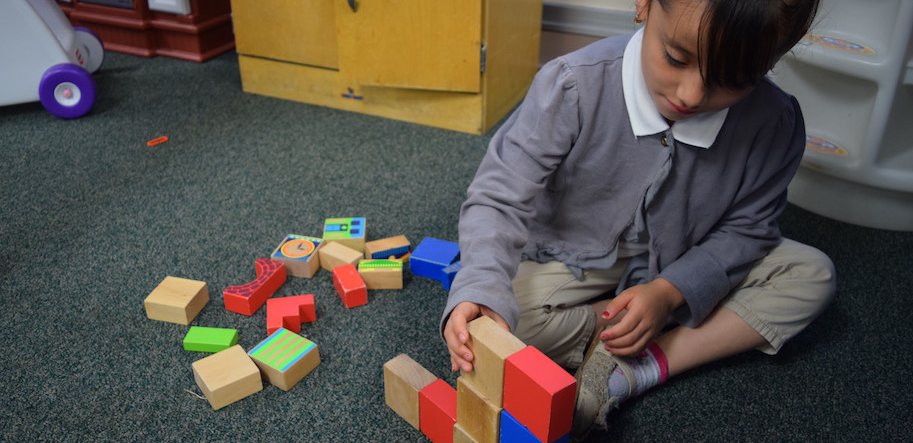
Coming Together (Bipartisan Policy Center)
The nation faces a two-part imperative: The first is to get the pandemic under control and the economy back on its feet. The second is to address deeper sources of insecurity that not only limit opportunity and diminish quality of life for many working Americans but also feed a growing sense of polarization and disaffection that increasingly threatens the health of our body politic. This paper lays out a pragmatic, immediately actionable policy agenda that begins to tackle these short- and long-term challenges.

Start with Equity: 14 Priorities to Dismantle Systemic Racism in Early Care and Education (Arizona State University)
The Children’s Equity Project, funded by the Heising Simons Foundation, and in partnership with the Equity Research Action Coalition at the UNC Frank Porter Graham Child Development Institute, the National Black Child Development Institute, the Council for Professional Recognition, the National Indian Child Care Association, the National Head Start Association, the National Association for the Education of Young Children, The Education Trust, and the BUILD Initiative published a new report outlining 14 critical priorities and actionable policies that federal and state policymakers can immediately and concretely utilize to advance equity in the early care and education system. This coordinated policy agenda can help us build stronger, more equitable systems for all children.

First Things First! Creating the New American Primary School (Teachers College Press and NAESP)
Challenging policymakers, educators, reformers, and citizens to replace piecemeal reforms with fundamental redesign, First Things First! calls for a different way of organizing the American primary school. Ruby Takanishi outlines a new framework for integrating early education with primary education (pre-K–5), including both short- and long-term strategies, that starts with 3- and 4-year-olds.

Investing in the Birth-to-Three Workforce (Bank Street College of Education)
Imagine what would happen if every child, regardless of race, income, or opportunity, experienced consistent, high-quality, developmentally meaningful learning experiences from birth. This report presents a set of policy recommendations that can offer the nation’s youngest children a much-improved chance to thrive and realize their full potential by focusing on deepening the expertise of the infant / toddler educators.

Transforming the Financing of Early Care and Education (National Academies of Sciences, Engineering, and Medicine)
High-quality early care and education for children from birth to kindergarten entry is critical to positive child development and has the potential to generate economic returns, which benefit not only children and their families but society at large. Despite the great promise of early care and education, it has been financed in such a way that high-quality early care and education have only been available to a fraction of the families needing and desiring it and does little to further develop the early-care-and-education (ECE) workforce. It is neither sustainable nor adequate to provide the quality of care and learning that children and families need—a shortfall that further perpetuates and drives inequality.

Cradle to Kindergarten: A New Plan to Combat Inequality, 2nd Edition (Russell Sage Foundation)
Early care and education in the United States is in crisis. The period between birth and kindergarten is a crucial time for a child’s development. Yet vast racial, ethnic, and socioeconomic disparities that begin early in children’s lives contribute to starkly different long-term outcomes for adults. Compared to other advanced economies, child care and preschool in the U.S. are scarce, prohibitively expensive, and inadequate in quality for most middle- and low-income families. To what extent can early-life opportunities provide these children with the same life chances of their affluent peers and contribute to reduced social inequality in the long term, and across generations? The updated second edition of Cradle to Kindergarten offers a comprehensive, evidence-based strategy that diagnoses the obstacles to accessible early education and charts a path to opportunity for all children.

6 State Strategies to Improve Child Care Policies During the Pandemic and Beyond (Center for American Progress)
A federal investment is needed to fix the broken child care market, and once federal funds are made available, states must use the opportunity to address some of the deficiencies in the current market. This issue brief highlights six strategies that states can employ to better support the child care industry in both the short and long term.

There’s No Going Back (NAEYC)
The pandemic has laid bare the need to finally resolve the fundamental challenges that have confronted us for decades—those which, if resolved appropriately, will support a strong American workforce and economy, propel far more children into high-quality child care, and ensure the essential status of early childhood educators is permanently reflected by increased investments in their education and compensation.

First 10 (Education Development Center)
The goal of First 10 is for all children to learn and thrive. This goal encompasses academic and social emotional learning and physical and mental health as priorities. Realizing this educational equity goal requires that communities ensure that all children have opportunities and supports to enable their success and eliminate the predictability of success or failure that currently correlates with social, economic, racial, and cultural factors.

Time to Act (Data Quality Campaign)
This year saw disruptions to schools and to students’ lives across the country. With a global pandemic shutting school doors, causing economic instability, and highlighting the impact of systemic racism, policymakers and education leaders are looking to data to help them respond and recover. DQC’s 2020 research identified several key themes that marked this unprecedented year—and that will likely continue to frame education policy conversations in the new year. Following are five things to know heading into 2021
Designing Universal Family Care (National Academy of Social Insurance)
This report explores strategies that states could pursue to better support families in meeting evolving care needs over the lifespan.

A New Path to Education Reform (Brookings)
A research from Brookings offers an evidence-based approach to education inspired by research from the science of learning addressing how children learn and what children need to learn to be successful in the 21st century.
Learning Sciences Exchange (New America)
LSX is a one-of-a-kind fellowship program that brings together 15 fellows, three each from five sectors (science, policy, journalism, entertainment, and social entrepreneurship): Each participant enjoys time for cross-disciplinary thinking and writing about how to bring ideas in learning science to fruition and about how to communicate them with the greatest influence.

Urban Thinkscape (Playful Learning Landscapes)
Urban Thinkscape brings the benefits of playful learning, which combines the enjoyable nature of play with a learning goal, to a community, public setting of a bus stop. Benches now include puzzles with movable parts that stimulate spatial skills and become opportunities for exploring language, color, and numbers while on-site signage and this website connect families to additional information and resources about the links between play and learning. Instead of viewing streets and bus stops merely as conduits from point A to B, Urban Thinkscape creates connections between these shared everyday spaces and the people who occupy them.

Office of Head Start & Public Schools Collaboration Demonstration Project (Head Start)
In summer 2019, the Office of Head Start (OHS) brought together teams from 13 school districts and local Head Start programs. The teams consisted of superintendents, principals, program directors, educators, other staff, and parents. Their purpose was to address the need for better collaboration between Head Start and K-12 education with a focus on improving the transition to kindergarten (TTK). This report outlines the work of the CDP and suggests practice implications for future collaborative work in this area.
Stronger Teaching and Caregiving for California’s Youngest (New America)
New America is reporting on how communities in California are reforming the way early childhood systems work and the way teachers are trained. Our aim is to help the public and policymakers better understand how to improve teaching and learning so young children have a solid foundation for growth and development.
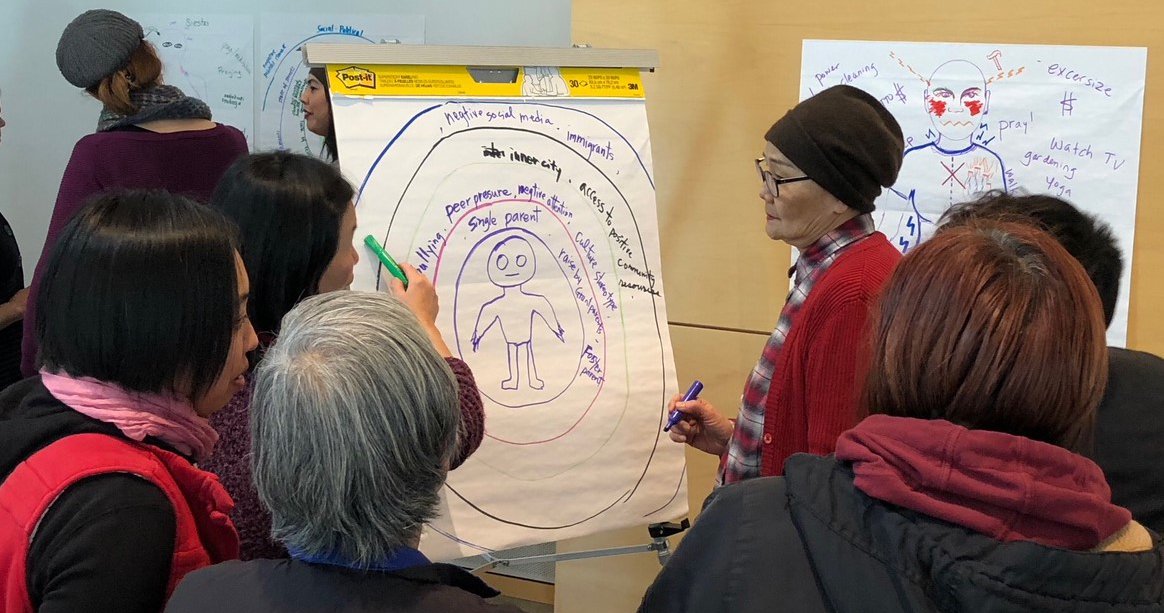
Investments in Teacher Training Pay Off During the Pandemic (New America)
Training teachers in social and emotional learning proved invaluable in helping one California community survive the pandemic.

Early Childhood Workforce Index 2020 (CSCCE)
The 2020 edition of the Early Childhood Workforce Index continues to track state policies in essential areas like workforce qualifications, work environments, and compensation. The report provides updated policy recommendations and spotlights state responses to the COVID-19 pandemic.

Video: Rethinking America’s Child Care System (Bipartisan Policy Center)
How child care businesses are funded in this country has created a broken business model, a challenge that was exacerbated by COVID-19. Now with many child care businesses forced to close, families are struggling to find high-quality care that helps their children learn and thrive while allowing them to stay in workforce. Policy solutions are needed to support a stable child care market and to ensure families have access to child care that works for them.
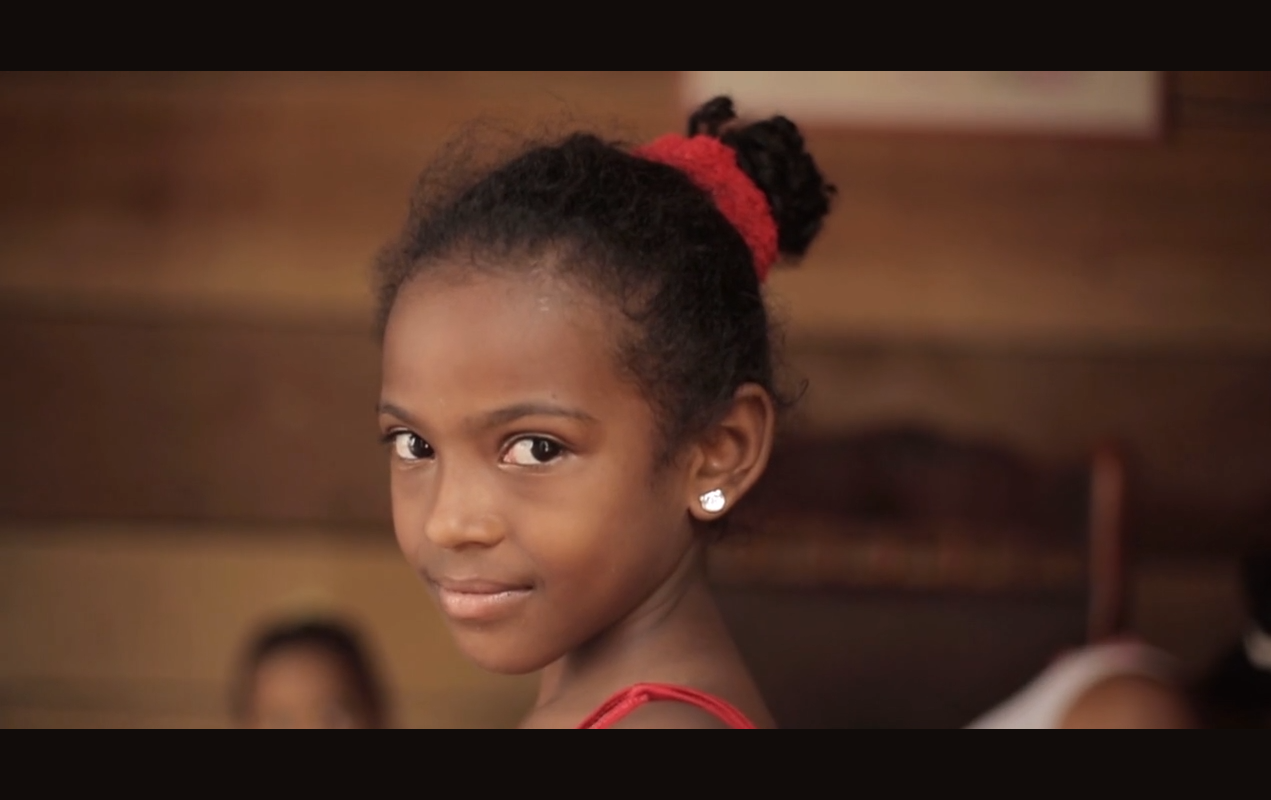
Young Learners, Missed Opportunities (Education Trust)
High-quality early childhood education (ECE) is important to the rapid development that happens in the first five years of a child’s life and has long-lasting benefits well into adulthood. But many children, largely Black and Latino, are not given access to nor are being served by high-quality, state-funded ECE programs, according to our first-of-its-kind analysis. In Young Learners, Missed Opportunities: Ensuring That Black and Latino Children Have Access to High-Quality State-Funded Preschool, we sought to answer two questions:
- Do Black and Latino students get access to these programs?
- And are these programs high-quality?

Data Tool (Education Trust)
In a first-of-its-kind analysis examining race and ethnicity in state-funded preschool programs, The Education Trust found that only 1 percent of Latino children and 4 percent of Black children were enrolled in high-quality state preschool programs. The analysis, which examines data from 26 states where enrollment is reported by race and ethnicity, found that no state truly provided high-quality and high-access for Black and Latino 3- and 4-year-olds.

US Child Care Deserts (Center for American Progress)
An interactive map to visualize and analyze local child care supply using the Enhanced Two-Stage Floating Catchment Area Method.

Increasing Qualifications, Centering Equity (NAEYC, Education Trust)
Educators of children birth through age 5 nearly mirror the children they serve. Research demonstrates that this is a positive aspect of the early childhood education field; numerous studies have shown that having teachers who look like their students of color benefits all students academically, socially, and emotionally. Yet it is a goal that has been consistently out of reach for the K–12 workforce across the country, making its reality in early childhood education both unique and valuable.

National Action Agenda 2021 (National Interoperability Cooperative)
Stewards of Change Institute, the Stanford University Center for Population Health Sciences and additional organizational collaborators across the country are creating a National Action Agenda to Advance Upstream Social Determinants and Health Equity. The initiative’s intent is to instigate and implement tangible, systems-level change across Health, Human Services, Education, Public Health, Public Safety and other domains. The need for doing so is vividly illustrated by the racial and socioeconomic disparities being laid bare in our country today.

Will Federal Child Care Support Vanish Again? (The American Prospect)
The COVID-19 pandemic has again revealed that child care is crucial to a successful response to national crisis, and that the current supply is inadequate. Members of Congress understand that “essential workers” who are parents cannot show up for duty without assurance that their children have proper supervision, and for this reason included funding to “stabilize the child care market” in the CARES Act. Will this burst of pandemic-induced child care funding go the way of the World War II aid and disappear once the crisis has passed, or will Congress finally acknowledge that universal child care is an essential component of the American safety net (as it is for most of our peer countries)?
Find Your Legislators (Child Care Aware of America)
Not sure who represents you in Congress, your state legislature, or at the local level? Use the search to find your legislator.
Child Care Should Not Be Welfare (Capita)
The welfare nature of American child care policy is not a severable component. The welfare nature is elemental; it was baked into the philosophical and policy DNA of what has evolved into our current system—a feature, as they say, not a bug

Supporting Equitable Educator Development (SEED) Grants (Trust for Learning)
Trust for Learning’s staff, board, and partner funders are excited to announce our support of nine Supporting Equitable Educator Development (SEED) Fund grant projects. All of these projects are designed to reduce barriers for low-income early childhood (ECE) educators and ECE educators of color; incorporate anti-bias, anti-racist strategies into existing ECE educator development programs; and/or create new on-ramps to high-quality credentials for low-income ECE educators and ECE educators of color.

State and Territory Child Care and Development Fund Administrators (Office of Child Care)
An all-State and Territory Child Care Fund Administrators list, including address and contacts.
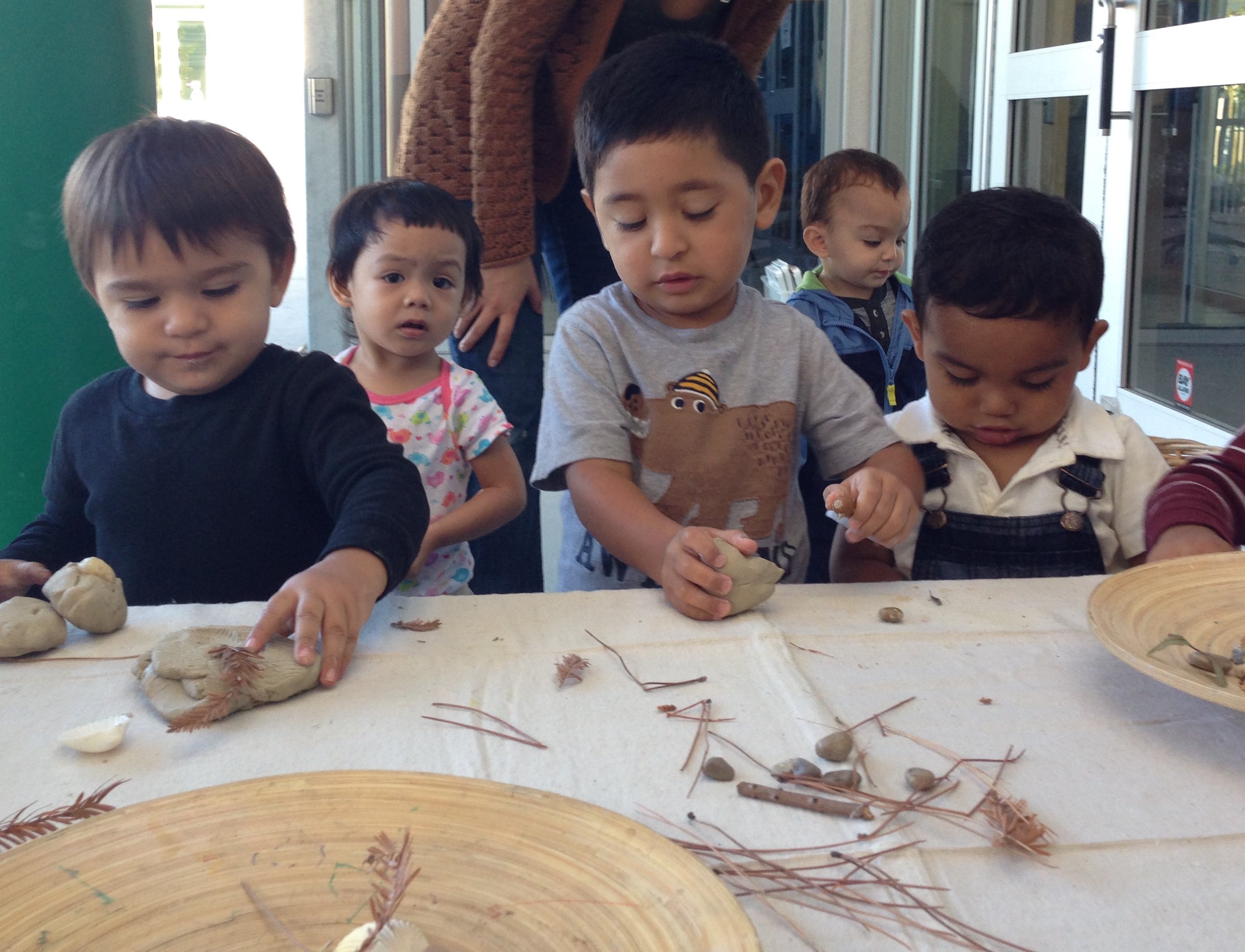
The Village (Neighborhood Villages)
The Village is a platform for delivering resources, programs, and innovative supports to a broader network of early education and after-school providers – from Boston to Detroit. From workforce development programming to operations and logistics supports to Covid-19 testing programs, we design and implement solutions designed to build shared capacity across the early education and care delivery system.
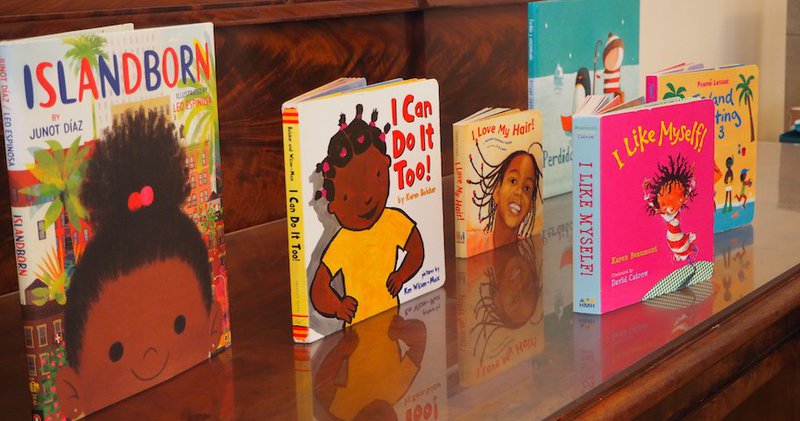
Advancing Equity in Early Childhood Education Position Statement (NAEYC)
All children have the right to equitable learning opportunities that help them achieve their full potential as engaged learners and valued members of society. Thus, all early childhood educators have a professional obligation to advance equity. They can do this best when they are effectively supported by the early learning settings in which they work and when they and their wider communities embrace diversity and full inclusion as strengths, uphold fundamental principles of fairness and justice, and work to eliminate structural inequities that limit equitable learning opportunities.

2Gen Approach (CAP Tulsa)
A two-generation approach combines high-quality educational opportunities for young children with strong evidence-based educational, workforce readiness and parenting programming for families.
P-3 Framework (National P-3 Center)
The Framework is designed to address key questions facing those who are developing and implementing comprehensive P-3 approaches in their school, district, or community. The Framework is divided into eight major “buckets” or categories of effort that require alignment within and between ECE/0-5 and PreK-12. Each bucket includes strategies that have been identified as essential to high-quality and comprehensive P-3 approaches.