
Strengthening Support for International Students During Time of Crisis
Topics: Institutional Policy
An EdCentral blog by Sophie Nguyen describes how colleges should support international students during the pandemic.
A Collection of Resources from New America and SHEEO on How to Support and Protect Students
COVID-19 has brought unprecedented change to higher education. In March 2020, much of the United States shut down, with most colleges and universities flipping fully online overnight. The public health crisis has created a severe economic recession that is not usually cured by our normal financial tools. Over the next year, New America and SHEEO have partnered to understand the effect of the pandemic and resulting economic crisis on higher education. This website represents our related work. It will be updated periodically. This page was last updated June 6, 2021.
This work is funded by the Bill & Melinda Gates Foundation. Ascendium Education Group also funds SHEEO to do this work. The findings and conclusions contained within are those of the authors and do not necessarily reflect positions or policies of the Bill & Melinda Gates Foundation and Ascendium Education Group.
Topics: Institutional Policy
An EdCentral blog by Sophie Nguyen describes how colleges should support international students during the pandemic.

Topics: Consumer Protection
An EdCentral blog by Clare McCann on Edmit and colleges' financial viability/need for regulators to act.

Topics: Consumer Protection
Robert Shireman, director of higher education excellence and senior fellow at The Century Foundation, on how state regulators should oversee predatory colleges during COVID.
Topics: Financial Implications
Tom Harnisch argues that federal aid for public higher education should be distributed to states, who would then distribute it to institutions.
Topics: Institutional Policy
Iris Palmer discusses how the federal government can support community college high-quality, hands on learning programs during the pandemic.
Topics: Financial Implications
SHEEO proposes an immediate large-scale federal investment in the our public colleges and universities to ensure they are properly positioned to help pull the country out of the COVID-19 crisis. SHEEO also recommends an on-going funding partnership between the federal government and states to ensure the long-term positive impact of higher education.

Topics: Consumer Protection, Financial Implications
Wesley Whistle covers a company that is promising to help college students access federal coronavirus relief aid, but it's not clear how much help they will provide.

Topics: Financial Implications
Sophie Nguyen discusses the ICE regulation barring international students from taking classes or remaining in the United States if their school chooses to stay fully online and the negative consequences this has for international students.

Topics: Consumer Protection, Financial Implications
Clare McCann and Iris Palmer argue that lawmakers need to design pathways that connect people back to the labor market—not just throw money at programs that will come up short.

Topics: Consumer Protection, Financial Implications
Monique Ositelu discusses the racial implications of moving forward with collegiate athletics this fall. The controversy of moving forward with college football boils down to the ethical question of whether the NCAA choose wealth over health.
Topics: Institutional Policy
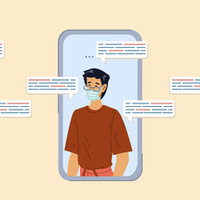
Alejandra Acosta argues that institution-wide online communication strategies can support students during the pandemic and provides suggestions for successful communication with students.

Topics: Financial Implications, Institutional Policy
This blog post provides examples and recommendations for institutional housing policies during the pandemic. As colleges plan for the fall, they need to create a playbook for campus housing that protects the most vulnerable first and provides financial assurances to their students.

Abigail Seldin explains how institutions can use Cost of Attendance to help equip every student in America with a laptop and hotspot.

During a public health crisis, college leaders need to listen to public health officials to base their opening decisions, not students.

Summing up what we have learned in our conversations with community colleges on their enrollment, Iris Palmer discusses the recent National Student Clearinghouse report on declines in summer enrollment.
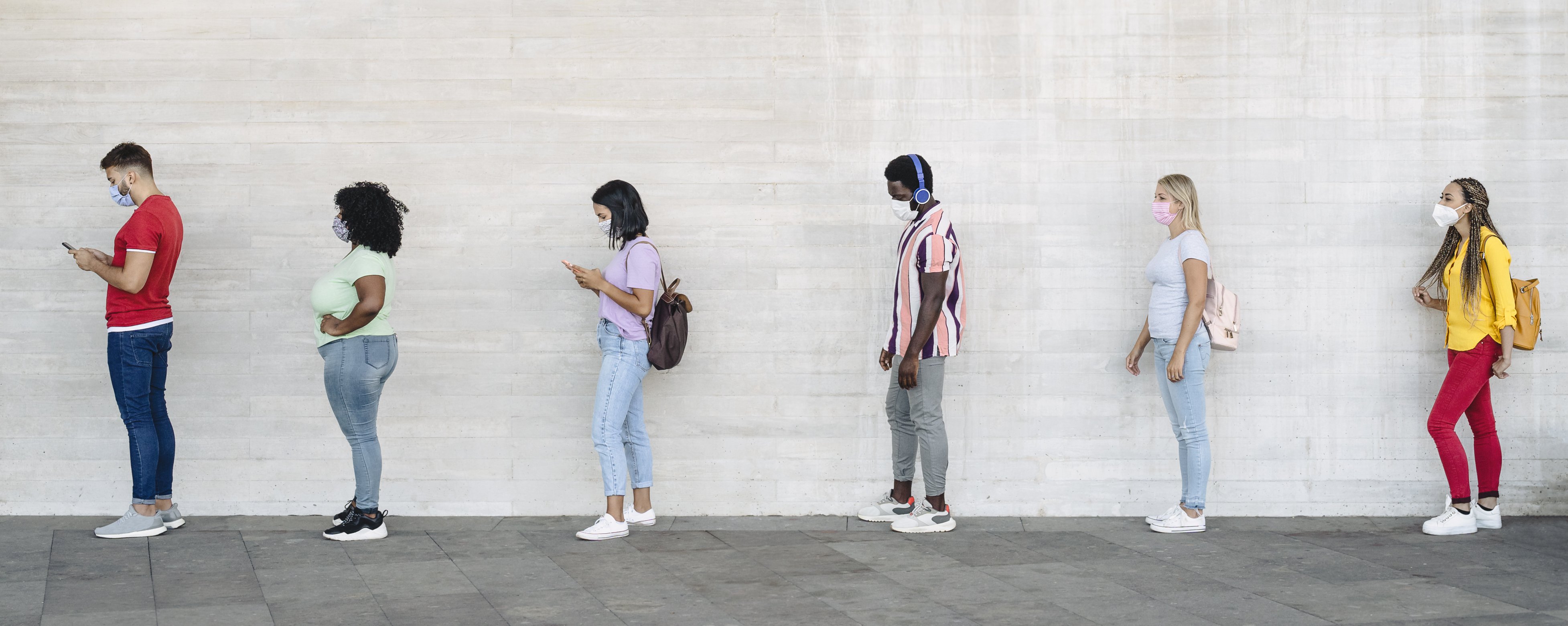
Colleges and universities have been put between a rock and a hard place: reopen campus while daily coronavirus case numbers continue to climb, or tell students to stay home and provide online instruction, putting the school’s financial security at risk due to lost housing and auxiliary revenue.

Clare McCann discusses new survey data which confirm significant negative impact of the pandemic on postsecondary student enrollments.

Blog by Iris Palmer on the steep budget cuts community colleges will face if Congress doesn't act.

While higher education enrollments are on the decline for undergrads, graduate student enrollment is increasing with serious equity implications.

Accreditors and state authorizers need to be proactive to ensure students are protected from potential bad actors and negative effects from the pandemic.

Consumer protection issues have never been more important than they are now. That’s why our organizations—the Center for American Progress, New America, The Century Foundation, The Institute for College Access and Success, Third Way, and Veterans Education Success—have teamed up to call on the Biden-Harris Administration to make accountability a top priority for the Education Department, including with these priorities.

Earlier this year, the founders at the consumer-information website Edmit produced a model that uses publicly available data to identify private non-profit institutions that have basic liquidity issues — their expenses are high relative to their revenue and assets, and/or enrollment isn’t keeping up enough to make the current path sustainable. And while it’s no perfect predictor of closure, it gets close to identifying the riskiest private non-profit institutions.
With this new congress and a new administration where the First Lady teaches at a community college, we have an opportunity and an obligation to provide more federal support for community colleges.
Summarizes end-of-year deal, including COVID relief for higher education.
Summarizes broadband provisions in end-of-year deal.

Summarizes SNAP provisions in end-of-year deal.
Summarizes the work from our consumer protection team to date.
Summarizes work from the financial impacts team to date.
Summarizes the institutional policy team work to date.

According to a nationally-representative survey of undergraduates conducted by New America and Third Way, approximately 9 percent of students decided to transfer schools for the academic year 2020-2021. With the vast majority of schools operating online, and with the pandemic complicating most people’s lives, some students chose to transfer to other institutions.
While a lot is up in the air in understanding what a return to campus will look like this fall, there might be higher than normal swirl among students as they choose to attend other institutions. This blog is part of a series about student transfer in higher education and the impact of the COVID-19 pandemic on transfer students by Alejandra Acosta, Elin Johnson, Rachel Fishman, and Wesley Whistle.

Elin Johnson and Wesley Whistle explain why why improving state or system transfer policies would help institutions achieve a better, more equitable transfer experience for students.

Elin Johnson and Wesley Whistle describe how using data and acting on it would help institutions to adapt and improve their transfer policies.

Alejandra Acosta provides a series of concepts on how an effective communication would help colleges support student transfer during difficult times.

After months of struggles and confusion, students should be treated with a little more grace when it comes to the sometimes complicated process of credit transfer.

Millions of Americans who have some credits but no degree are having their transcripts held hostage by their institutions.

While PLA has been around for a while, not many students had applied for and received credits through this process.

The latest COVID-19 relief bill is not enough to help higher education survive the pandemic.
New America reviews findings from its community college enrollment survey and looks at the demographic breakdown of current, former, and prospective students.
New America reviews findings from its community college enrollment survey to understand why the decline in male enrollment was more than for females.

New America explores how community colleges are working to bring students back to school.
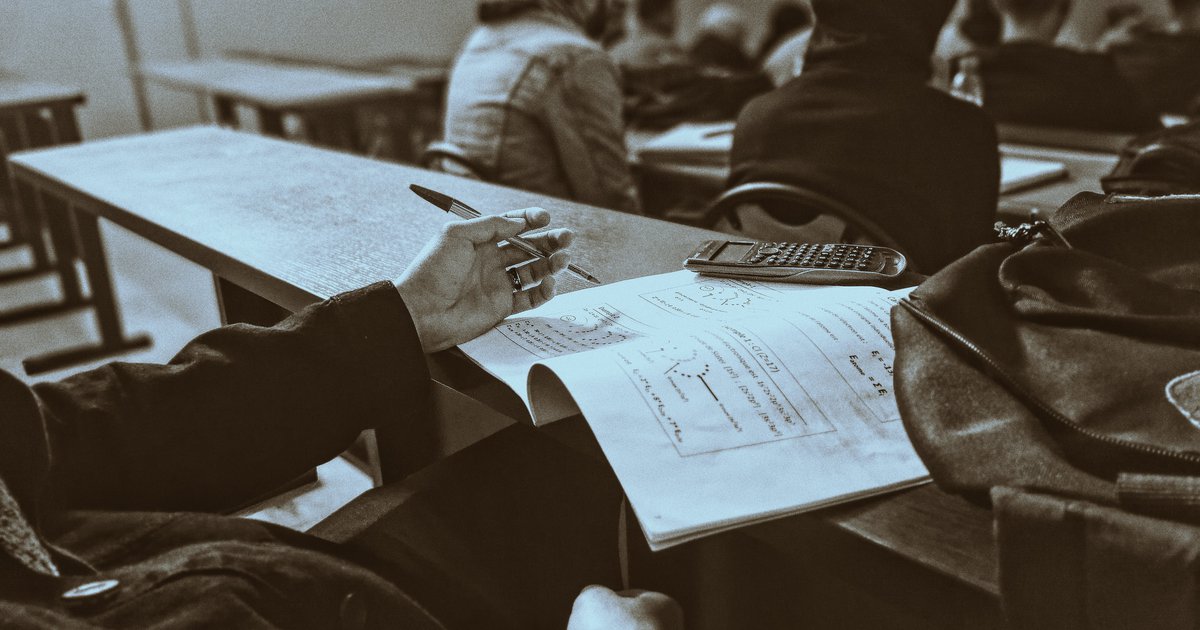
Here are four things to know about community college enrollment trends.
The blog reviews what former, current, and prospective community college students think about online learning.

Despite pandemic changes, U.S. News' Best Colleges will continue to include incoming students' average test scores in ranking institutions.
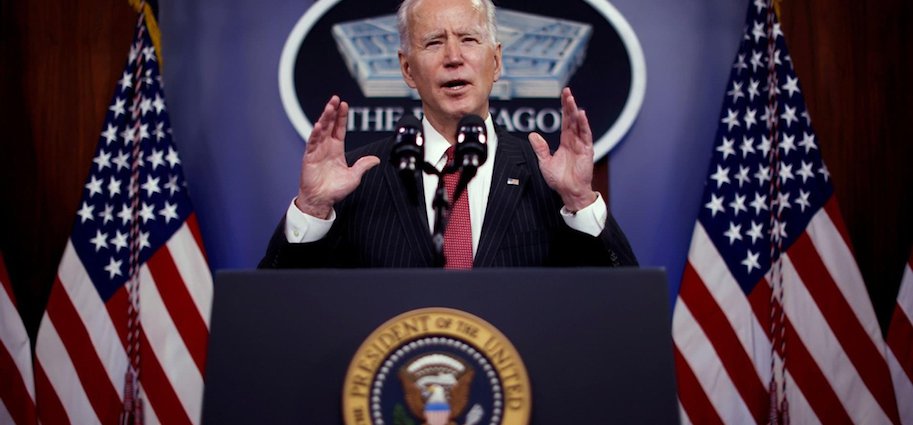
President Biden's American Families Plan is ambitious for higher education, but it could be bolder on affordability.

Lessons in institutional communication from a year when it mattered most.
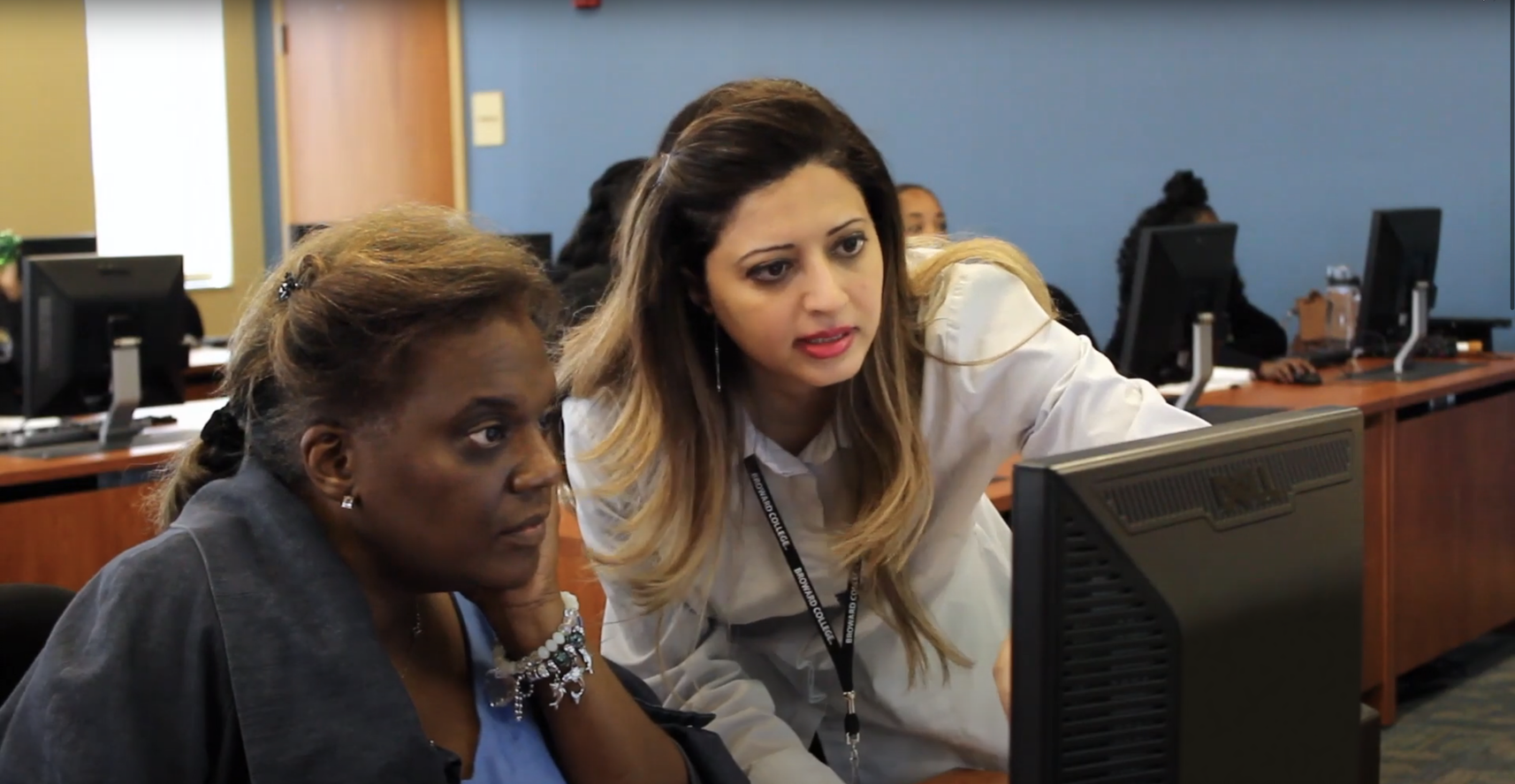
Broward College is leveraging partnerships to offer free education and wraparound support for its most vulnerable community members. They believe their model is replicable across other community colleges.

Despite state and local advances to address inequitable access to food, too many students still go hungry.

High-quality, paid internship programs are all too rare at community colleges.

The new TAACCCT bill would be a win for our economy, a win for displaced workers, and a win for community colleges.
Topics: Financial Implications
State Higher Education Executive Officers Association President Rob Anderson on aid to states in the stimulus package.
Topics: Consumer Protection
New America's Higher Education program contributed to an op-ed arguing that Congress must make sure that policymakers have timely data to answer questions about how the broad and sudden shift to distance education and the eventual shift back to campus-based or hybrid instruction has and will impact college access, persistence, and success.
Topics: Consumer Protection
Amid a surge in distance education, states must play a stronger role in quality assurance, write Lori Williams and Rob Anderson.

Amy Laitinen, Clare McCann, David Tandberg, and Dustin Weeden talk about steps that should be taken now to help reduce harm to students in the event of a permanent closure.

Wesley Whistle and Higher Learning Advocates call on Congress to pass legislation that will help college students access broadband internet and help close the digital divide.
Rather than expanding opportunities, opening up Pell Grants to short-term job training could put workers at greater risk, argue Daniel Bustillo and Amy Laitinen.
Topics: Consumer Protection
A New York Times article by Kevin Carey on Edmit data and private colleges' financial viability.
Topics: Consumer Protection, Financial Implications
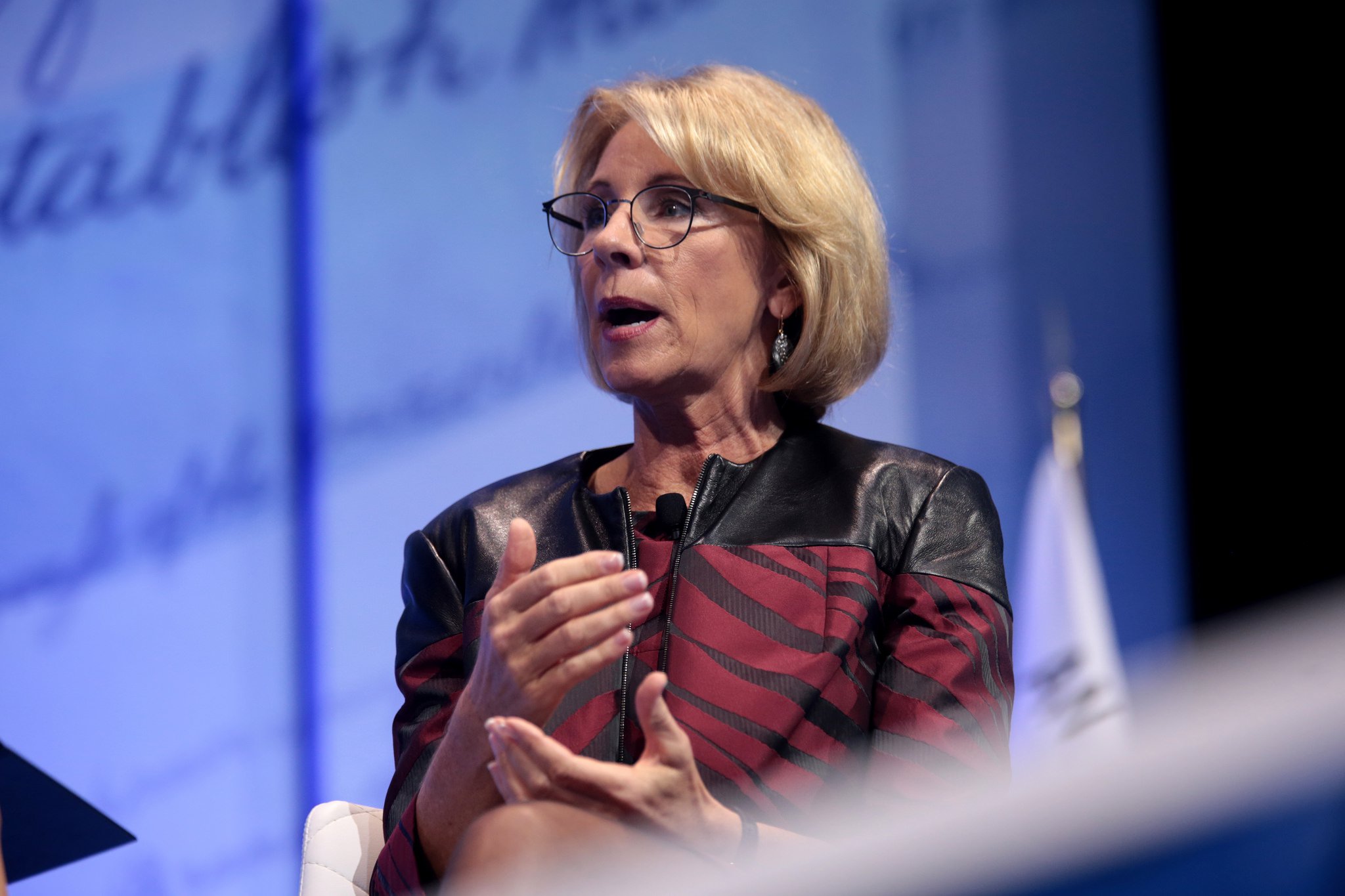
Wesley Whistle wrote about how a Government Accountability Office report showed that the implementation of the CARES Act from Education Secretary Betsy DeVos and the Department of Education was less than satisfactory.

Topics: Consumer Protection, Financial Implications
Wesley Whistle wrote about how recent reports indicate that several universities have instituted policies that they will not issue housing refunds if their campuses are forced to close due to Covid-19.
Topics: Financial Implications, Institutional Policy
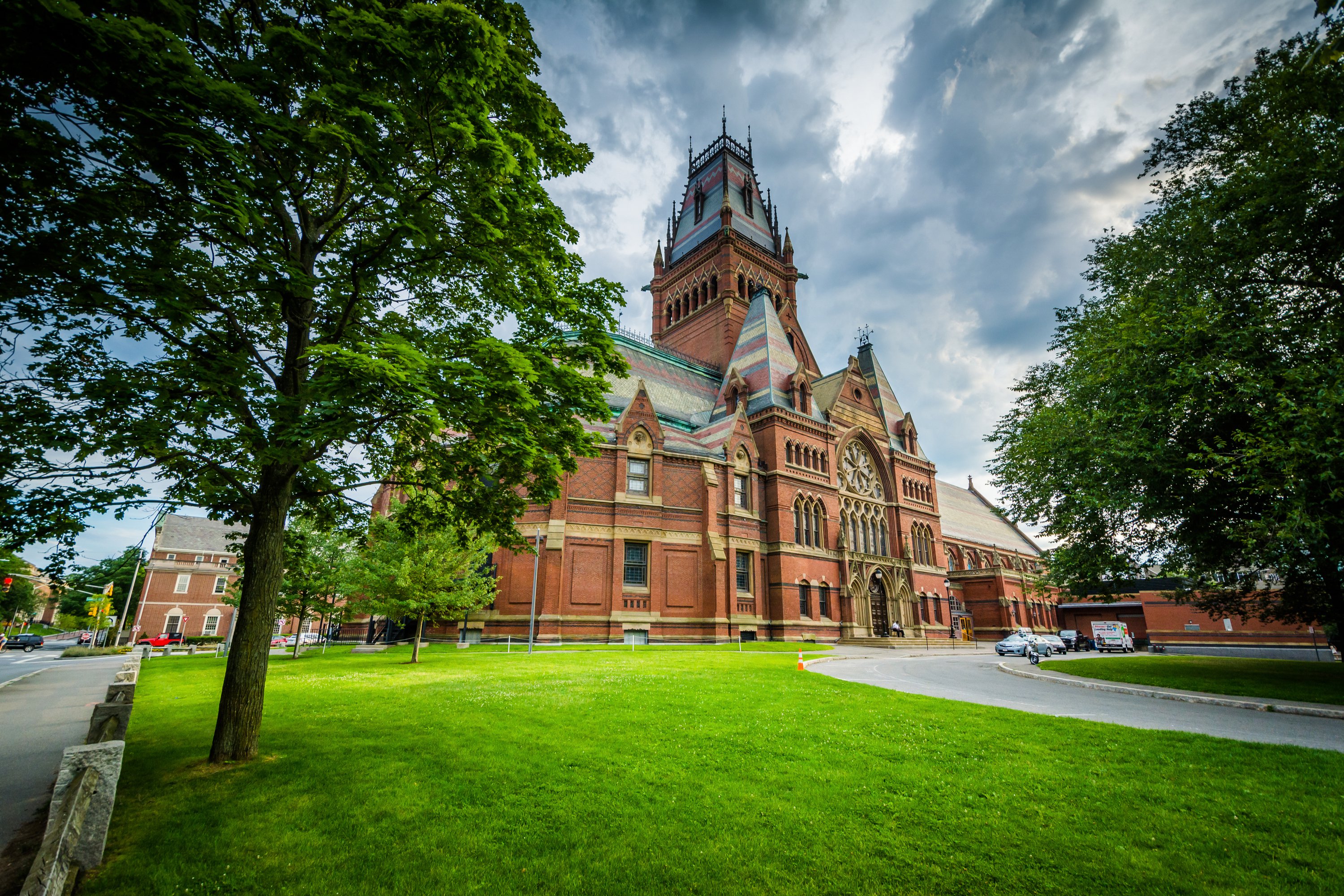
Kevin Carey wrote about how elite colleges and community colleges are now both struggling to navigate finances and in-person class safety amid the pandemic.
A federal judge in Massachusetts blocked a rule from Education Secretary Betsy DeVos, limiting CARES Act emergency grant aid to college students who qualify for federal student aid.
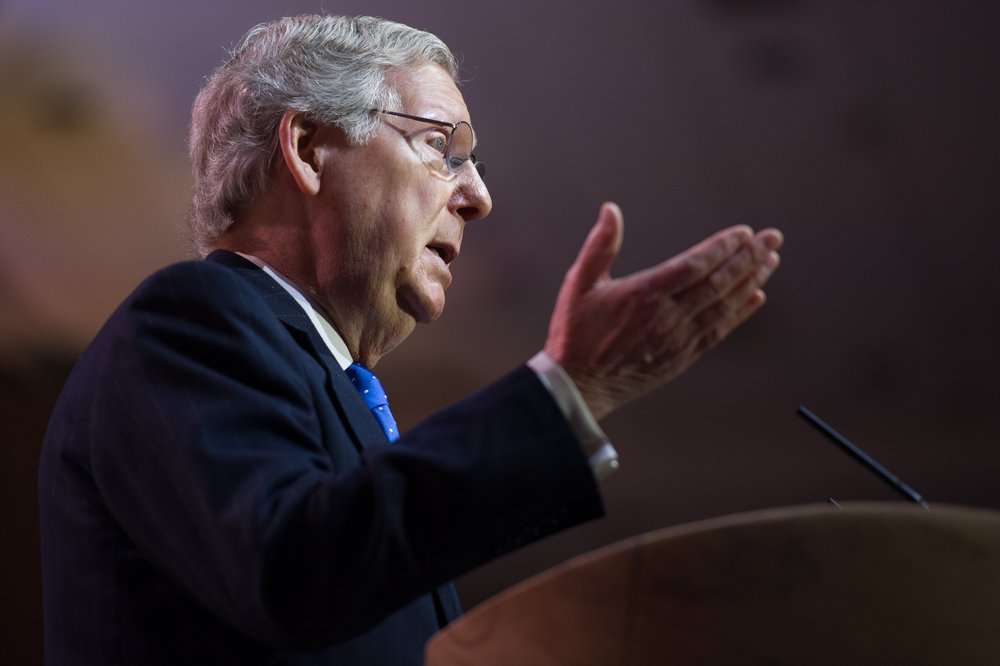
Senate majority leader Mitch McConnell introduced a "slimmed down" stimulus proposal that included some funding for higher education.

President Biden is reportedly considering an ambitious infrastructure package as a part of his “Build Back Better” agenda to recover from the pandemic.

The Department of Education announced it will halt collections on student borrowers in default with loans under the old bank-based federal student lending system.
Topics: Consumer Protection
A National Governors Association/New America primer on college closures.
As colleges rush to move their programs online during the pandemic, this report offers caution and a framework for approaching partnerships with online program management companies.

New America partnered with Third Way and fielded a nationally-representative survey of college students in August. This series of one-page briefs reveals the results.

New American and the State Higher Education Executive Officers Association (SHEEO) partnered to track responses of state higher education agencies and systems on how the COVID-19 pandemic has affected state funding for public higher education.
Using survey data, we now have a better understanding of the enrollment decline at community colleges during the pandemic.
New America partnered with Third Way and fielded our second nationally-representative survey of college students. This allows us to track how sentiments have changed over the course of the semester.
This report describes student-focused ways to present cost and financial aid information which will be imperative during the COVID-19 crisis to ensure students make the best financial decision for them.

The use of student data to inform decision-making and communication is still evolving in higher education, though student voice is missing from those decisions.

As we consider the near- and longer-term future of colleges and universities and the students they serve, New America and SHEEO have reflected on what we have learned over the past year.
This is the third and final installment of Third Way and New America's undergraduate student tracker survey during the COVID-19 pandemic.

Topics: Consumer Protection
Detailed comments on the Department of Education's distance education proposed regulations.
Topics: Consumer Protection
Letter from the Postsecondary Data Collaborative to Secretary Betsy DeVos on the CARES Act.
Topics: Financial Implications
The Education Policy Program and Open Technology Institute at New America endorse the Emergency Broadband Connections Act.
Topics: Consumer Protection
New America's Higher Education team helped draft this letter to Congress about collecting distance education data.

Topics:
SHEEO contributed to and signed on to a letter from governors, SHEEO, and other similar organizations requesting substantial funding for K-12 and higher education in order to meet the field's needs from Congress as it considers the next round of COVID-19 relief.
This letter from SHEEO urges Congress to end the impasse on the federal relief package, and to address the depth of the fiscal challenges facing colleges and universities.

Submitted comments to FCC on verifying Pell status for broadband subsidies.

Reply comments to FCC on Emergency Broadband Connectivity Fund
Letter to Administration Officials on Student Loan Repayment Restart
New America's higher education team submitted public comments that highlighted priorities around the regulatory process used and urged the Department to protect students and taxpayers by strengthening higher education's rules.

Topics: Consumer Protection
A virtual discussion with Jared Colston about a New America report he co-authored, "Anticipating and Managing Precipitous College Closures."

New America’s Higher Education program and Open Technology Institute hosted a discussion on how Pell recipients can enroll in the Emergency Broadband Benefit program and how inequitable access to affordable and reliable internet affects college students.

Topics: Financial Implications
Clare McCann provides highlights on higher ed insights on the Governor's Fund within the CARES Act.
Topics: Consumer Protection, Financial Implications
Wesley Whistle's tweet thread on the Frank financial aid tool, a company promising to help college students access federal coronavirus relief aid.