New America on COVID-19
An up-to-date collection of New America's work on the response to the COVID-19 pandemic.
New America experts and researchers are tracking the effects COVID-19 across all of our issues. From education and technology to privacy and work-life balance, it is clear that many aspects of life will look different as we move through this uncertain time. Below you will find a snapshot of New America's work on COVID-19. For future online events, please visit our upcoming events page.
New America Programs
Beat the Virus
Beat the Virusis an initiative of New America’s Health Innovations Lab in collaboration with the MIT Media Lab. It has two components: 1) a social media campaign and 2) a comprehensive coronavirus resource hub which provides people with critical, trusted, and engaging public health messages and resources about the COVID-19 pandemic. It is directed by public health and technology experts working with other national and local influencers who are spreading the word on how you can help #beatthevirus with simple, clear explanations of the science. The social media campaign, launched in March 2020 describes the individual behaviors that must be adopted to flatten the curve of the coronavirus pandemic and has generated over 600 million media impressions in its first few months of operation. It has a scientific advisory council comprised of public health professionals from New America, Tufts Public Health Program, the Johns Hopkins Bloomberg School of Public Health, and the Federation of American Scientists, who collaborated with technology experts from the MIT Media Lab and the private sector. Major talent agencies mobilized their actors and athletes including Justin Bieber and Mariah Carey, to get involved with the project to amplify and disseminate coronavirus prevention public health messages. State-of-the-art analytic scaffolding developed by the MIT Media Lab evaluates how these messages are spreading and whether or not they’re reaching the communities that need them the most.

Better Life Lab: COVID-19 Resources
To better understand how COVID-19 is changing the way we work, live, and care, our Better Life Lab will continue to track federal emergency response policies, report on caregivers' needs, create resources to asses corporate responses, and initiate conversations on how the pandemic has impacted individuals and their communities. The team is regularly updating this resource page with new research and writing.
Digital Impact and Governance Initiative: Coronavirus Response Tech Tracker
COVID-19 will have a lasting impact on individuals and society. The DIGI team harnesses the power of technology to build open source digital platforms for the public sector, and they're leveraging that expertise to address some of the challenges that will confront societies and institutions as the virus spreads.

Education Policy: COVID-19 Resources
Our Education Policy Program is closely monitoring the COVID-19 effects on schools and the future workforce. The team is regularly updating this resource page with new research and writing.
Future of Property Rights: Webinars
FPR hosts a series of webinars addressing housing insecurity during COVID-19. “Stopping Home Loss During a Pandemic” PT 1: Discussion about “strategies at the national, state, and local level to minimize the housing fallout of COVID-19, and steps that renters and homeowners can take to protect themselves in this crisis."
“Local Responses to the Pandemic” PT 2: A panel conversation with local housing experts from Phoenix, Indianapolis, and Winston-Salem to discuss state-, county-, and city-level responses to the housing fallout of COVID-19, and what more can be done to protect renters and homeowners in the midst of the pandemic.

Future Tense: Social Distancing Socials
Join Future Tense for a series of conversations series via Zoom to consider how technology and science can disrupt and enhance our lives. Events have so far included in-depth looks at the future of work and managing screen time for kids.

Health Innovations Lab
The mission of the Health Innovations Lab is to catalyze the development and implementation of technological innovations to advance health in America and around the world including combatting the COVID-19 pandemic. By using “high tech, high touch” approaches to link and sync technological innovations to health, as well as engage a variety of multidisciplinary experts (policymakers, health practitioners, technologists, designers, engineers, and others), we aim to accelerate fundamental changes in the way healthcare is delivered in the Digital Age, connect people to a seamless system of care, and modernize government health programs for efficient, integrated, easy-to-use consumer-focused service delivery.
Infection Prevention and Control in Schools Task Force
The resources published by the Infection Prevention and Control in Schools task force include a “Roadmap to Healthy Schools,” a practical guide to school-based infection control, produced by members of the task force; a consensus statement on the latest CDC guidance, issued by leading scientists convened by the task force’s organizers; and a use of funds advisory memo for how states might allocate resources toward infection prevention and control, developed by the task force’s organizers.
International Security Program: Coronavirus Daily Brief
The most important news and analysis about the COVID-19 crisis every morning, curated by Peter Bergen, Emily Schnieder, Melissa Salyk-Virk, and David Sterman. Subscribe today.
International Security Program: Pre-Covid Analysis
New America experts were raising red flags about COVID-19 and misinformation early in the year.
- Peter Singer's project with BluePath tracking and translating Chinese web news for open source intelligence that was being missed in the US, published two articles in early February, warning that China was engaging in systemic disinformation and censorship to downplay how bad the outbreak actually was and that its military was not handling the outbreak to needed levels. As China takes on an even greater global leadership role in the wake of the pandemic, this tracking will be even more important.
- Peter Singer's project on "AI Visualized" was engaged in work on how to understand and prepare for a world of great AI/use of robots/remote work. All these trends appear to be accelerated by the CV-19 pandemic, from remote work on scale that will last for the longterm to greater use of AI and robotics in work and public health tasks coming online more rapidly, due to accelerated societal acceptance. But the project also explored the looming security and societal risks that we will soon see from this transformation.
- Peter Singer's work on digital mis/disinformation warned of both the security and public health effects of social media weaponization. It was unfortunately validated in the recent weeks. The spread of online dis/misinformation has not just threatened democracies in elections, but literally costs lives in the CV-19 outbreak. The spread of false information and denial of science and expertise both delayed an effective governmental response and led large numbers of the population to engage in personal and societal unsafe behavior. To prevent future outbreaks, we need far more effective digital and social hygiene. New America's combined security and education teams are presently seeking support for a project on enhancing digital literacy in the US. They have already worked with groups that range from the US and UK military to the National Association of Media Literacy on this important effort.
International Security Program: Webinar
"Coronavirus Spreads: What's New and the Path Forward"
The International Security Program welcomed Michael T. Osterholm, PhD, MPH, director of the Center for Infectious Disease Research and Policy (CIDRAP) at the University of Minnesota via webcast to discuss the spread and effects of COVID-19.
Justice, Health, and Democracy (JHD) Justice Network: Addressing the Public Health Crisis of U.S. Carceral Facilities
A network of scholars, advocates, and impacted individuals in the Justice, Health, and Democracy Rapid Response Impact Initiative is releasing resources to address two issues that are critical in the nation’s co-occurring crises of COVID-19 and mass incarceration. These issues include (1) the call for more educational resources about the COVID-19 vaccines that are sensitive to the unique concerns of incarcerated people and their loved ones, and (2) the need for an inclusive—and equitable—policy approach that fully integrates people impacted by incarceration into our public health response systems. These documents provide important information on these matters that we hope will support those in American jails, prisons, and detention centers, in addition to providing an ethically-based framework to inform and improve the decision-making of policymakers working on issues in the public health and criminal legal systems.

Open Technology Institute: Resources
OTI is closely monitoring how COVID-19 is affecting access to an internet and digital technologies that are open, secure, and privacy-protecting. The team will update this page regularly.
New America Local: Groundswell
The COVID-19 crisis has the New America Local team thinking harder about the communities they belong to—Indianapolis, California, Phoenix, and Chicago—and how the outbreak may forever change them. This inspired the team to launch Groundswell, New America Local's roundup of COVID-19 initiatives taking off in NA local communities.
New America Indy: Webinars
COVID and the Black Community is a weekly online community conversation series, co-hosted by New America and the Recorder, and featuring local and national experts and resources. The fourth in the series will be Tuesday April 21st from 2:00-3:30PM EST and will focus on, "COVID and the Class of 2020: Black Students' Transitions To College and Work"
Political Reform: Resources
- Lee Drutman wrote about how the coronavirus will transform US elections by expanding voting by mail for FiveThirtyEight.
- Lee Drutman wrote for MIT Technology Review about voting in the time of coronavirus.
- Hollie Russon Gilman wrote about what will happen to civic life during social distancing for Stanford Social Innovation Review.
- Heather Hurlburt wrote for New York Magazine on missed opportunities for the United States and China to work together during this pandemic.
- Lee Drutman wrote for Politico as part of a “Big Thinkers” symposium about how coronavirus will permanently change the world.
- Heather Hurlburt wrote for New York Magazine amid growing coronavirus fears on how authoritarian leadership can exacerbate global crises.

PIT/DIGI: Pandemic Response Repository
The Pandemic Response Repository is a collection of open source resources to help governments respond to COVID-19. Have a resource? Submit it here. Need a resource? Take one! We'll also continue to track and add to the collection. This is the first phase of a more comprehensive Open Source Framework researched and developed by New America to strengthen and modernize government institutions. Across the public sector, private sector, and civil society, there is growing momentum to create open source, digital public goods that can deliver broad benefits for society and be easily modified to meet the needs of different communities. This work is intended to help build that movement. The Pandemic Response Repository is a joint project of the Digital Impact and Governance Initiative (DIGI) and Public Interest Technology (PIT) teams.
Public Interest Technology: The Commons
These special editionsof the Commons newsletter spread the word about what public interest technologists are doing during this difficult time in cities and governments across the country. Some are geared to specific cities or countries, but all can serve as models for anyone looking to stand up a public interest tech solution ASAP.
Public Interest Technology: Relief Payments Delivery
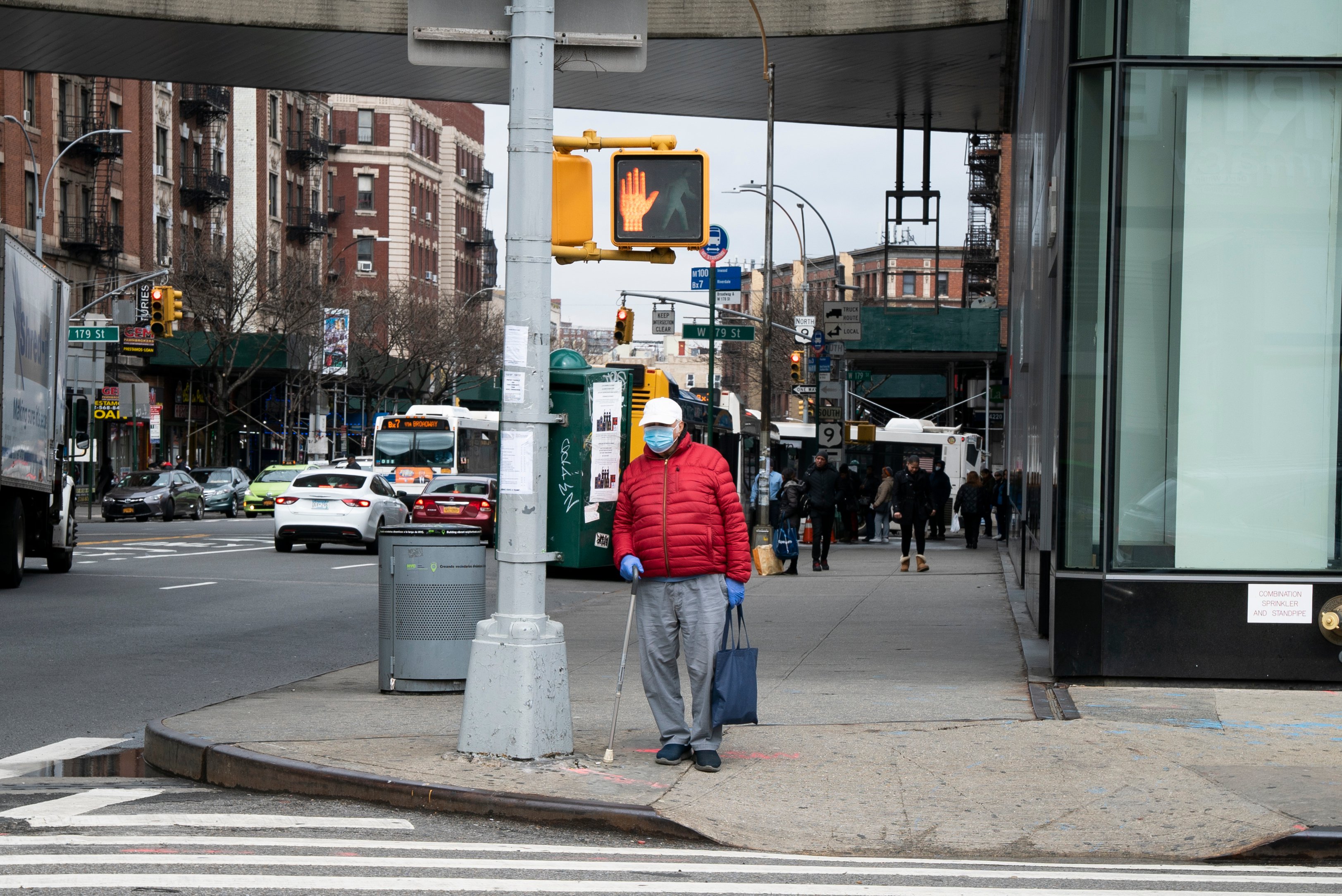
The CARES Act included one-time coronavirus relief payments to most American adults, but Congress and the administration seem to have given little thought to how these dollars will actually reach people, especially those with severe disabilities, and low-income families who don’t earn enough to file taxes. We estimate that only half of eligible families will receive funds this month, with 10 million of the most in-need Americans unlikely to receive checks at all; to say nothing of the millions of vulnerable people denied eligibility altogether by the law.
Public Interest Technology-University Network: The Resiliency Challenge
From data tracking and modeling to resource matching apps, public interest technologists have a unique opportunity to help our communities respond to the current crisis. The Resiliency Challenge is a 9-week virtual hackathon, with 3-week sprints, aimed at helping colleges and communities cope with the COVID-19 crisis.
Students who want to join a hackathon team, can learn more and sign up here.
If you have experienced or witnessed a problem in your community that you think could be solved through technology, consider submitting a challenge project for students to work on as part of the hackathon. Projects can be submitted here. You can see a list of initial projects here (more are being submitted every day).
If you are staff or faculty and want to get involved as a mentor for a challenge or a judge, you can sign up at the link above as well.

Resilience Magazine
Last year, New America published the digital magazine Resilience, which explored the many boundaries of resilience. This timely publication looks at the many ways in which resilience manifests.
Resource Security: Webinar
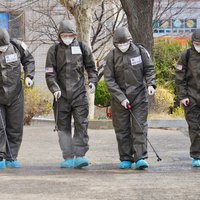
Wednesday April 22nd, 3:30-5:00 PM EST, "UPTEMPO: COVID and Climate Change in the Pacific"
Join Resource Security in a discussion of U.S. interests in humanitarian and disaster relief in the Pacific region.

New America Fellows

Jonathan Blitzer
2021 National Fellow, Jonathan Blitzer, analyzed the ways in which former president Donald Trump’s deportation practices allowed the coronavirus to spread across U.S. borders for the New Yorker.
Jonathan also profiled Brooklyn-based pastor Juan Carlos Ruiz and his efforts to support undocumented parishoners throughout the pandemic for the New Yorker.
Jessica Bruder (2020)
Jessica Bruder, 2020 National Fellow, was interviewed on Talk Radio Europe about the surveillance technologies being deployed globally to track COVID-19 and the recent publication of her book about Edward Snowden, Snowden’s Box. (Listen from 29 min)

Josh Chin
Josh Chin, 2020 National Fellow, previously wrote for the Wall Street Journal about the effects of the global pandemic on China's industry and covered the impact of the Delta variant on China’s economy.
Josh reported on COVID-19’s impact on Xi Jinping’s first trip outside of mainland China in over two years for the Wall Street Journal.

Molly Crabapple (2020)
2020 National Fellow, Molly Crabapple, told the story of COVID-19 in her home city of New York for LitHub. Molly also spoke about her experience with Roar Magazine for their series “the COVID Chronicles.”
Molly published a piece for the Nation that features more of her portraits of essential workers. She previously published a piece for the Nation featuring portraits of the essential workers risking their health for us during the pandemic.
Jason DeParle
Jason DeParle wrote an article for the New York Times on the reliability of food stamps during the pandemic and the class divide illuminated by shelter-in-place orders.
Jason also wrote about providing child allowances during the pandemic and spoke with NPR’s Fresh Air about alleviating child poverty through COVID relief funds.

Katie Engelhart
Katie Engelhart, 2018 Nation Fellow, reported on the challenges experienced by individuals with dementia throughout the COVID-19 pandemic for the New York Times.
Also for the New York Times, Katie, alongside Dominic Smith, produced a chilling video on limited medical care availability titled “Who Gets a Ventilator?” Katie wrote for the California Sunday Magazine about the first COVID-19 hotspot in the U.S.

Sheri Fink (2013)
For the New York Times, 2013 Fellow Sheri Fink wrote about Abbott Laboratories, one of the U.S.’s largest suppliers of COVID tests, and how the company has struggled to withstand the changing tides of the pandemic
Sheri wrote a piece for the New York Times about the difficult decision to put COVID-19 patients on ventilators. She also co-wrote an article for the New York Times about the F.D.A.’s misrepresentation of blood plasma data.
Sheri documented the pandemic’s impact on Hispanic families in a Houston hospital for the New York Times.
She previously wrote for the New York Times about the lack of control individuals have over avoiding the coronavirus in a state with very few restrictions.
She was interviewed on Democracy Now! about her recent New York Times piece, “As Coronavirus Slams Houston Hospitals, It’s Like New York All Over Again.” She also discussed her New York Times article “Why Surviving the Virus Might Come Down to Which Hospital Admits You” during the interview.
Sheri went behind the scenes at Houston Methodist Hospital where coronavirus cases are on the rise, reporting for a New York Times article and video. She also co-authored an article for the New York Times about how the chances of surviving COVID-19 may depend on which hospital a patient is admitted to.
Sheri previously wrote two articles for the New York Times about a Houston hospital bracing for a coronavirus peak, and about a change in discriminatory Tennessee guidelines for deciding who gets lifesaving care.
Sheri wrote for the New York Times about Connecticut hospitals ordered to allow visitors for patients with disabilities.
She reported from a New York City hospital after the surge in COVID-19 cases subsided, in a video for the New York Times. She also wrote an article for the New York Times about NYC hospitals’ next phase now that the viral peak has passed.
Sheri wrote for the New York Times about U.S. labs joining a national initiative to study the coronavirus genome, a Central Park field hospital shutting down due to criticism, and the heartbreaking story of a family losing its matriarch to coronavirus.
She previously wrote for theNew York Times about the coronavirus that arrived in Seattle, and where scientists discovered it went from there.
She was also featured on the New York Times podcast The Daily on Wednesday, April 15th. Also for the New York Times, she wrote about the COVID-19 field hospitals in Central Park, and was interviewed about the latest science and medical news about the coronavirus.
Fink also wrote for the New York Times about the resilience of staff in a Brooklyn hospital during the coronavirus pandemic, and about the question of civil rights when it comes to deciding who will receive lifesaving medical care during the coronavirus emergency.
Sheri contributed to reporting on the toll of the pandemic on hospitals and staff and calls for reform from experts to prevent the next pandemic. Sheri also wrote about vaccine distributions in low-income nations.
Sheri wrote for the New York Times about the lessons taken from a deadly winter in Los Angeles. She documented the experiences of patients and staff at the Martin Luther King Jr. Community Hospital in February of 2021 and followed the difficulties of recovery for a former I.C.U. patient in Los Angeles.
Franklin Foer (2016)
Franklin Foer, 2016 National Fellow, wrote for the Atlantic about what Big Tech hopes to gain from the pandemic.
Franklin previously wrote for the Atlantic about the state of the U.S. economy amid the coronavirus outbreak and the moral failure of a government bailout.
Franklin also profiled a physician working at the frontlines of the panic.
Masha Gessen (2019)
Masha Gessen, 2019 National Fellow, wrote for the New Yorker about breakthrough COVID infections.
Masha previously wrote for the New Yorker about psychiatric wards’ unique vulnerability to the coronavirus, the effect the pandemic is having on students’ view of college, what college students think of their schools’ reopening plans, those protesting social distancing restrictions on Cape Cod, the political consequences of loneliness and isolation during the pandemic, and the culture wars around the coronavirus pandemic.

Joshua Geltzer (2018)
Joshua Geltzer , 2018 National Fellow, wrote for the Washington Post about what he calls Trump’s ‘corona-federalism’ that’s pitting states against each other.
Joshua wrote for the Washington Post about the relationship between Trump’s impeachment and his approach to the pandemic. Joshua spoke with CSIS’s The Truth of the Matter podcast about the challenges COVID-19 presented for the 2020 election. Joshua also wrote about resilience during the pandemic.
Dana Goldstein (2014)
Dana Goldstein, 2014 National Fellow, covered vaccine roll-outs to children under the age of 5. Dana previously wrote about parents’ responses to the approval of the Pfizer vaccine for children aged 5-11.
Dana contributed to the New York Times’s Education Briefing to answer common questions about school in the age of COVID and wrote an article on the revived push for remote schooling from teachers' unions. Dana had previously written about the challenges facing schools for future surges in infection.
Dana wrote about the worsened reading crisis for students following the pandemic and stimulus funding for online tutoring programs. Dana also wrote about the potential consequences of measuring learning loss during the pandemic.
Dana wrote for the New York Times about the return to school for high school students and the pandemic’s impact on high schoolers’ mental health. Dana also reported on the drop in kindergarten enrollment following COVID-19.
Following the emergence of the Omicron variant, Dana reported on schools opening following winter breaks, as some schools chose to return to remote learning. Dana wrote about the one-day closure of Chicago schools following a clash with the teachers’ union.
Dana reported on the issue of masks as students returned to school, including the Dallas school district’s decision to maintain the mandate after it was lifted by the governor and the decision facing liberal suburbs following the widespread end of statewide mandates.
Dana covered school reopenings in fall 2021 and the challenges students, parents, and teachers faced. Dana reported on Los Angeles county’s student vaccine mandate, as well as vaccination mandates for teachers in Washington state, Los Angeles, and Chicago.
Dana reported on the efforts of Philadelphia parents frustrated with remote learning. Dana wrote about the reservations of students and parents regarding a return to in-person classes, as well as the support for re-opening from some teachers’ unions. Dana also spoke with economist Emily Oster, a strong proponent for reopening schools.
Dana covered President Biden’s promise to reopen schools and government outreach to teachers ahead of reopenings. Dana also covered the efforts of a union leader to bring teachers back to the classroom and conducted an interview with Chicago Mayor Lori Lightfoot following negotiations with the teachers’ union to reopen schools. Additionally, Dana addressed the effect of the CDC’s updated guidelines on schools.
Dana wrote for the New York Times about why schools failed to come up with a good plan for remote learning. Dana later covered proposals for summer school to make up for lost instruction time during the pandemic.
Dana previously wrote for the New York Times about the additional funds needed to reopen schools safely, and about teachers who are wary of in-person classes as well as online instruction. Dana also reported on the pressure teachers faced to return to the classroom.
Dana also wrote for the New York Times about why most big school districts aren’t ready to reopen. Dana covered Los Angeles and San Diego schools resuming classes online only in the fall.
Dana previously wrote for the New York Times about a new push to reopen schools this fall. Dana also contributed to the New York Times illustrated guide to school reopenings in the fall of 2020.
Jeff Goodell (2016)
Jeff Goodell, 2016 National Fellow, interviewed Dr. Anthony Fauci to discuss the ongoing COVID-19 pandemic and spoke with Bill Gates about climate change and COVID conspiracy theories. Jeff also wrote an article for Rolling Stone about the impact of COVID-19 on climate change.
Jeff wrote for Rolling Stone about the combination of the dual crises of coronavirus and the current protests over police brutality in Texas.
Jeff previously wrote an article for Rolling Stone about President Trump’s delayed response to the coronavirus pandemic.
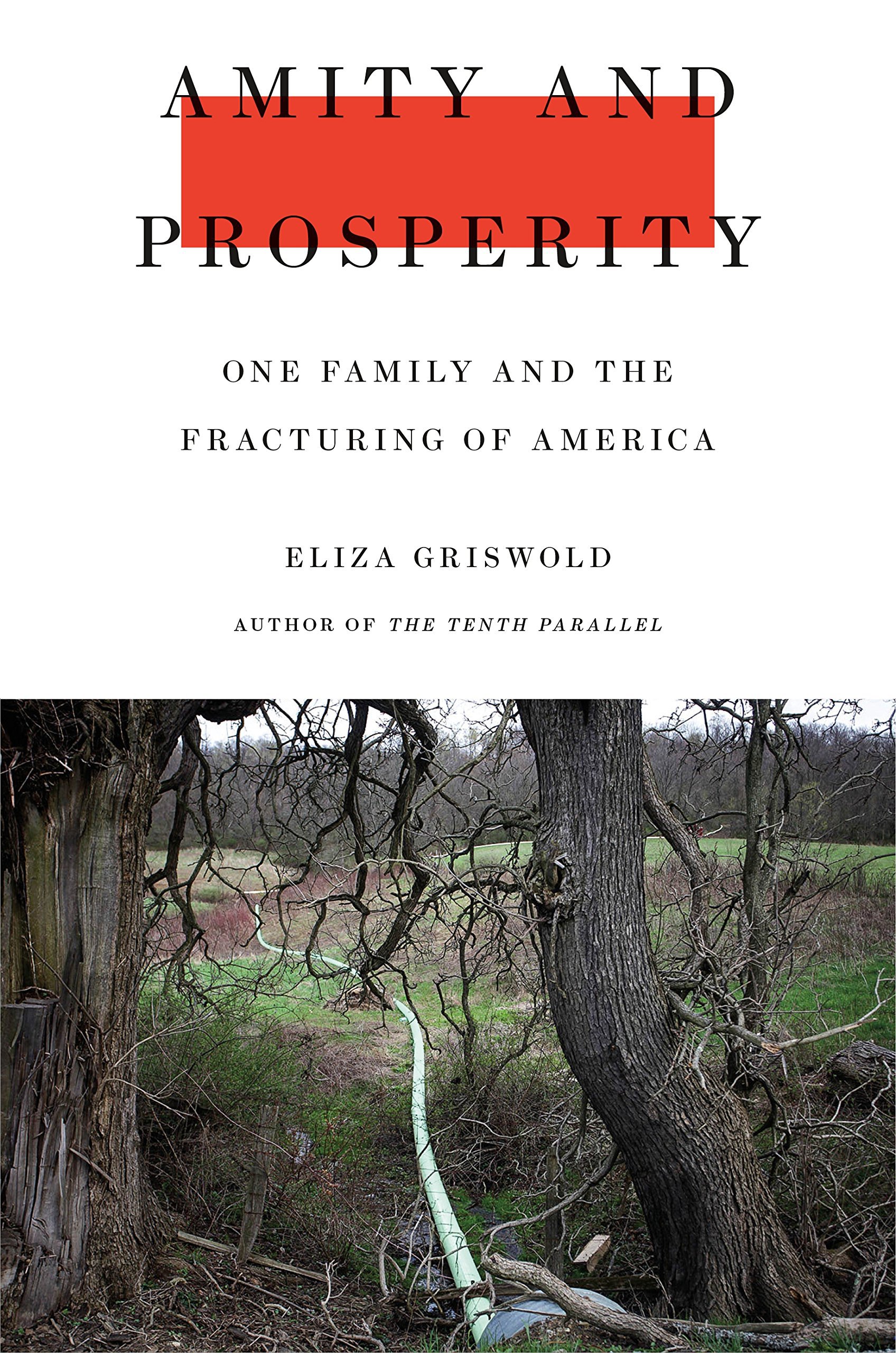
Eliza Griswold
Eliza Griswold wrote for the New Yorker about how coronavirus is killing the middle class.

Nikole Hannah-Jones (2017)
Nikole Hannah-Jones, 2017 National Fellow, wrote for the New York Times on the effects coronavirus is having on families already stretched to the limit. She also joined Vox Media’s Recode Decode podcast to discuss how COVID-19 has impacted essential workers and intensified inequality in the U.S.
Adam Harris
Adam Harris, 2021 National Fellow wrote about how an unvaccinated Deep South could shape America’s COVID recovery story for the Atlantic.
Adam profiled Little Rock, Arkansas Mayor Frank Scott about the challenges facing mayors of major cities in enforcing COVID ordinances for the Atlantic.
Also for the Atlantic, Adam interviewed Richmond, Virginia Mayor Levar Stoney, whose second term has been shaped by the ongoing pandemic as well as calls for racial equity in the city and around the country.
Adam covered the impact of COVID-19 on college campuses, including the difficulty of enforcing social distancing, re-opening campuses, and the impact of not re-opening universities until 2021. Adam also wrote about K-12 students catching up after a lost year. Adam had previously covered the issue of child care for essential workers following public school closures.
For the Atlantic, Adam wrote about loopholes in the medical system that have been exploited by the rich and powerful during the pandemic. Adam also wrote about the economic impact of coronavirus on cities and the pandemic’s influence on the 2020 election.
Sara Hendren
Sara Hendren, 2018 National Fellow, was interviewed on On the Media about applying the wisdom and work of people with disabilities to the process of redesigning a post-pandemic world. Sara later wrote for the New York Times about reopening cities after COVID.
Mara Hvistendahl (2017)
Mara Hvistendahl, 2017 National Fellow, co-authored an interview with EcoHealth Alliance president Peter Daszak regarding controversial research funding and the COVID-19 outbreak.
Mara also reported on oversight issues and the FBI investigation into the relationship between EcoHealth Alliance and the National Institute of Health, including evasion of restrictions on coronavirus experiments.
Mara contributed to the Intercept's earlier coverage of U.S.-based EcoHealth Alliance’s work with the Wuhan Institute of Virology on several types of coronaviruses. Mara also visited a lab in China and wrote about the insights gained into COVID-19’s origins. Mara also wrote about a grant report regarding U.S.-funded research into bat coronaviruses in China, overseen by the NIH.
Mara previously wrote for the Intercept about investigations into the origins of the coronavirus pandemic and the conspiracy theories that are getting in the way. Mara wrote about the Dorr brothers and their role in protests following public health restrictions during the pandemic.
Mara wrote about facial recognition and masks after documents leaked from the Department of Homeland Security showed concern over masks lowering the technology’s effectiveness.
Mara wrote for the Intercept about the rise in Asian American hate crimes following anti-China rhetoric intensified by the COVID-19 pandemic.
Daniela Lamas (2020)
2020 New Arizona Fellow Daniela Lamas is the author of The Unimaginable Storm: A Doctor’s Journey Through a Modern Pandemic. Daniela has also written several pieces for the New York Times, including a reflection on hospitals in transition after COVID and an essay on why some people have never gotten COVID.
Following her op-ed in the New York Times, Daniela discussed lessons from the pandemic for creating end-of-life plans on KRCW’s Life Explained podcast.
Daniela was interviewed by Yahoo Finance about COVID-19 in schools and the lower rates of transmission in schools. Daniela was also interviewed on NPR’s Morning Edition about compassion fatigue among doctors treating unvaccinated patients.
Daniela talked about the toll of the Delta variant on hospitals with WGBH.
Daniela wrote about the serious long-term effects the virus has on some COVID survivors’ respiratory systems for the New York Times. Daniela was later appointed as the co-director of the COVID Recovery Center at Brigham and Women’s Hospital, founded in 2021.
Daniela also wrote about her complicated feelings of hope upon receiving her vaccine as a doctor in the critical care unit treating COVID patients for the New York Times. Daniela discussed her experience further in an interview with LitMed.
In another piece for the New York Times, Daniela wrote about the surge of COVID-19 cases leading into the winter of 2020 and how it left hospitals, healthcare workers, and patients in limbo.
Also for the New York Times, Daniela recounted her experiences with COVID patients who wished to be visited by family. She argued that lifting visitation restrictions in hospitals can have only positive effects on patients.
In another piece for the Washington Post, Daniela analyzed the political implications of former president Donald Trump’s COVID-19 diagnosis and resolves that the pandemic places Americans on a nonpartisan playing field.
Daniela also appeared in FiveThirtyEight’s Podcast-19 episode about the treatment of former president Donald Trump’s COVID-19 diagnosis.
For the New York Times, Daniela discussed the efficacy of convalescent plasma in treating COVID-19. Also for the New York Times, Daniela wrote about the effect of COVID-19 on smaller and rural hospitals.
Daniela also appeared on Boston’s public radio station WGBH to discuss her experiences as a doctor on the frontlines of the COVID pandemic. Daniela wrote an op-ed for the New York Times about the mental health after-effects for critically ill coronavirus patients.
Daniela wrote for the New York Times about her experience as one of the many healthcare workers who, in the midst of the pandemic, held iPads out so that loved ones can say goodbye to those quarantined in the hospital.
She previously wrote for the New York Times about COVID-19 patients learning to walk again, and about having to decide who gets a ventilator as a doctor.
She also spoke on AP Podcasts, taking host Ralph Russo inside the intensive care units that have been treating COVID-19 patients. Daniela appeared on ABC News to guide viewers through one of her shifts in Brigham & Women's Hospital ICU in Boston, where she is a pulmonary and critical care physician, during the coronavirus crisis. Daniela also spoke about her experience as a frontline physician with the podcast Tradeoffs and on The Quarantine Tapes.
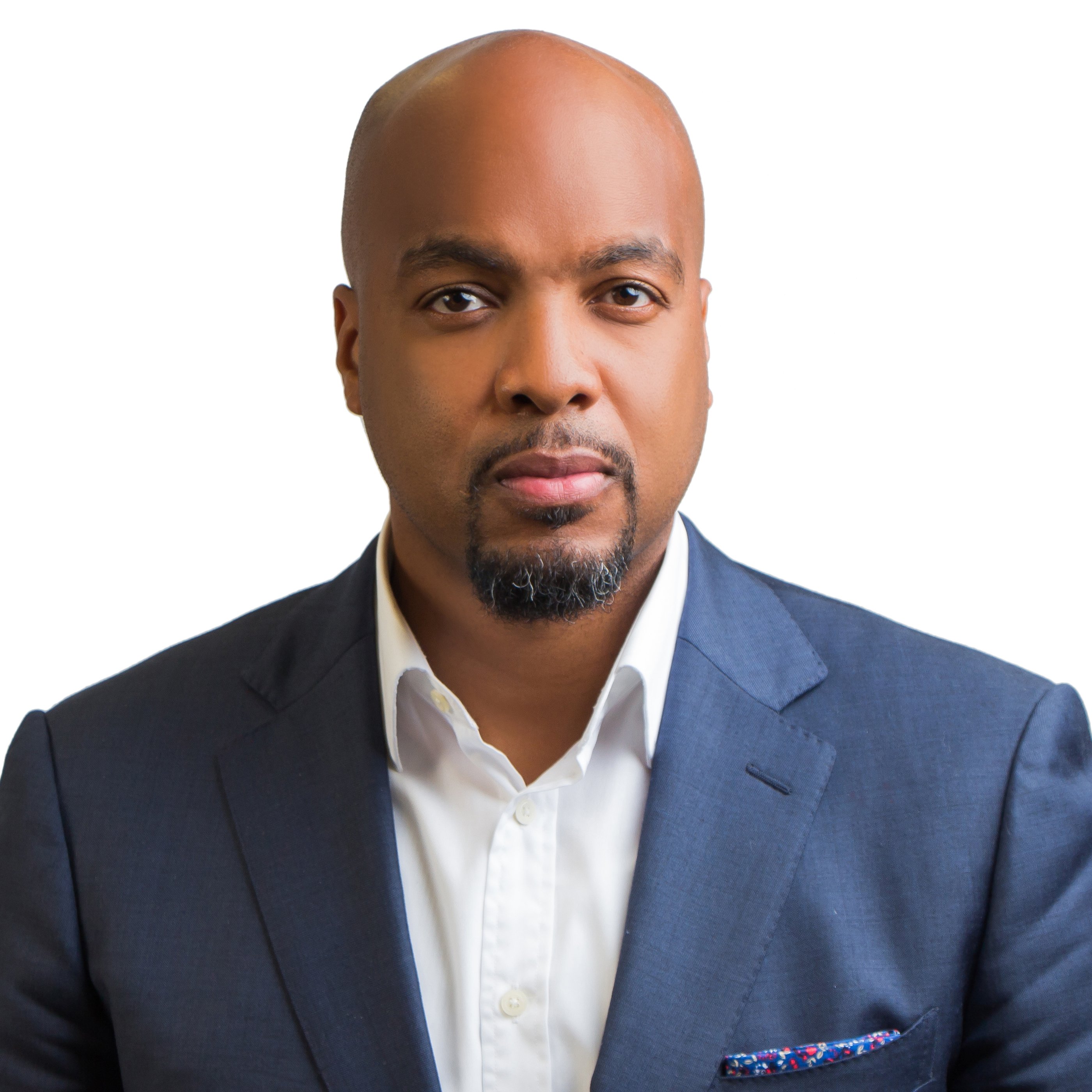
Trymaine Lee (2016)
Trymaine Lee, 2016 National Fellow, covered COVID-19 vaccines on his MSNBC podcast Into America, including efforts to close the vaccine gap for black Americans and the black doctors vetting the vaccine. Trymaine also reported on the environmental factors putting black Americans at a greater health risk from COVID.
Trymaine’s podcast also covered coronavirus conspiracy theories and the rise of Q-Anon during the pandemic.
For Into America, Trymaine also hosted several episodes about the effect of coronavirus on American schools, including discipline during remote learning, the challenges teachers face going online, and the experience of parents with students attending school remotely. Trymaine also discussed what learning during the pandemic could mean for the future of education.
Trymaine covered the end of unemployment benefits and experiencing joblessness during the pandemic, including an episode addressing the mental health costs of lost jobs. Trymaine also hosted episodes of Into America covering the experiences of people with disabilities, people without insurance, and incarcerated people, during the pandemic.
Trymaine hosted an episode of Into America discussing religious freedom and public health. Trymaine’s podcast also covered the experience of life and loss during the pandemic.
Trymaine was interviewed for the SiriusXM radio program the Karen Hunter Show about COVID-19 and voting. Trymaine also covered the impact of the pandemic on the 2020 election on Into America.
Trymaine Lee, 2016 National Fellow, discussed comedy during the pandemic on his MSNBC podcast Into America.
Trymaine previously discussed the future of flying in the wake of the COVID-19 pandemic on his podcast Into America.
He also discussed tracking coronavirus in nursing homes on an episode of his MSNBC podcast Into America. He previously spoke about the team working to find a COVID-19 vaccine and coronavirus’s threat to Main Street on episodes of his MSNBC podcast Into America, and was interviewed on Sirius XM’s POTUS Press Pool with Julie Mason about his podcast Into America and its recent episodes on the effects of coronavirus.
Yi-Ling Liu
Yi-Ling Liu, 2021 National Fellow, wrote about GitHub as the last space for free speech in China where COVID-19 information is not censored for WIRED.
Yi Ling also wrote for BBC Future about how the pandemic has changed familial, romantic, and friendly relationships in China.
Yi-Ling also wrote an article for Rest of World about the connection between online and offline life in China during the pandemic.
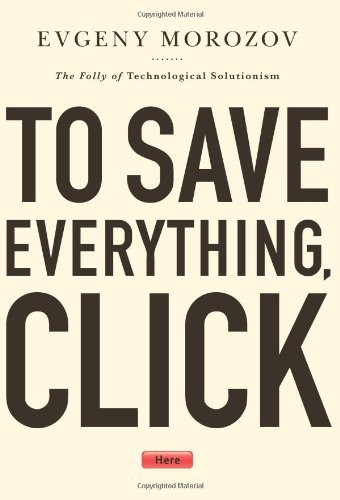
Evegeny Morozov (2012)
Evegeny Morozov, 2012 National Fellow, was profiled in the Correspondent in response to The Syllabus, a growing collection of the best articles, podcasts and videos about the political, economic and social consequences of the coronavirus pandemic that Morozov compiles on a daily basis. Morozov also wrote for the Guardian about the tech solutions for coronavirus.
Evegeny spoke with the New Institute about the relationship between COVID and capitalism.

Yascha Mounk (2016)
Yascha Mounk, 2016 National Fellow, wrote for the Atlantic about the end of COVID restrictions and the growing public sentiment against restrictions as the Omicron variant emerged. Yascha also wrote about the reopening of the economy and Germany’s successful strategies against COVID.
Yascha previously wrote about the danger personal biases pose to implementing collective COVID responses. Yascha previously covered the reaction to dubious polling results at the beginning of the pandemic. Yascha wrote for the Atlantic about the uselessness of the American passport, the risks of opening colleges, and the anti-vaxx community’s possible impact on a COVID-19 vaccine.
Yascha previously wrote for the Atlantic about a growing sense that the virus is over, and the effects that belief might have on our chances of beating it.
He also wrote for the Atlantic about the likely resilience of the human desire to socialize in the wake of the pandemic.
Yascha wrote for the Atlantic about the hope he once had for recovery from the pandemic, and his realization that there’s no easy way out.
Yascha also wrote for the Atlantic about Trump’s use of authoritarian populist strategies in response to COVID. As a German ex-pat, Yascha spoke about his doubts regarding coming to America in the wake of the country’s COVID-19 response. Yascha also wrote for Persuasion about his growing doubt in institutions following the pandemic.
For the Atlantic, Yascha wrote about the difficult decisions facing Italian doctors in wake of mass infections and an overworked medical system.
Yascha wrote several pieces for the Atlantic about shut-downs following the COVID-19 outbreak, including a piece calling for closures, theories as to why people failed to follow COVID restrictions, and the impact of national shutdowns.
Vann R. Newkirk II (2020)
Vann R. Newkirk II, 2020 National Fellow, wrote for the Atlantic about how America handles catastrophe. He previously wrote for the Atlantic about the deepening coronavirus crisis in Louisiana, and about the unique threat the coronavirus poses to the South.
Vann also spoke about the impact of COVID-19 on children in terms of trauma and economic burden.
Vann was also interviewed on WNYC Studios' podcast the Takeaway about what COVID-19 means for the American South and on The Atlantic’s podcast Social Distance about what the legacy of the coronavirus might be. Vann also discussed the commonalities in federal response between Hurricane Katrina and COVID-19 on Servant of Pod.
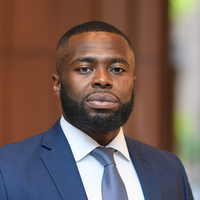
Shaun Ossei-Owusu
Shaun Ossei-Owusu, 2021 National Fellow, wrote about how the pandemic has exposed drastic healthcare inequities in the United States for the Boston Review.

Monica Potts (2016)
Monica Potts, Class of 2016 National Fellow, wrote for FiveThirtyEight about state spending of pandemic relief funds. Monica also discussed the topic on the FiveThirtyEight’s Politics podcast.
Also for FiveThirtyEight, Monica covered the experiences of those unable to work from home during the pandemic. Monica also wrote about the adoption of anti-science beliefs in rural Americans’ identities following the coronavirus outbreak. Monica wrote a piece about the happiness of Americans, including the impact of the COVID-19 pandemic.
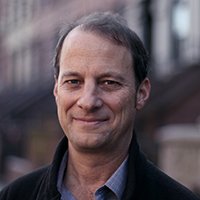

Donna Patterson (2016)
2016 Fellow Donna Patterson wrote for African Arguments about the prevalence of COVID-19 and vaccine access in Senegal. Donna later spoke with CGTN Africa about IP waivers for COVID-19 vaccines.
Donna was published in the World Medical & Health Policy journal for her article on Delaware’s response to COVID-19.
Donna was featured on several segments with Delaware Public Media, including coverage of a local drive-through testing site, local coverage of the virus, state mandates to curb COVID-19 outbreaks, and possible COVID resurgence.
Donna wrote the Philadelphia Inquirer about treating teachers as essential workers. Donna also wrote a piece about the role mask mandates play in fighting COVID-19. Donna also spoke at an event on race and COVID-19 hosted by Race and the American Story.

K. Sabeel Rahman (2016)
K. Sabeel Rahman, 2016 National Fellow, wrote for Demos about racial capitalism during the coronavirus pandemic. Rahman also wrote about dismantling racial capitalism in the wake of COVID-19 for Dissent.
Rahman was a guest Race and Democracy, a podcast from the University of Texas-Austin’s Center for the Study of Race and Democracy to discuss racial justice and democracy in the time of coronavirus.

Zia Haider Rahman (2017)
Zia Haider Rahman, 2017 National Fellow, delivered his essay “Few Good Trade-Offs” on BBC Radio 4's A Point of View, exploring the morality of trade-offs in the context of the

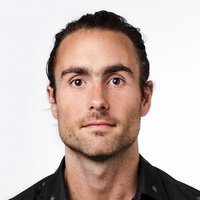
David Wallace-Wells (2019)
David Wallace-Wells, 2019 Fellow, wrote for the New York Times about what the outcome could have been if funding for COVID-19 was spent on the climate. David also wrote about inequalities in vaccine rollout and what this means for a climate change future.
David previously covered the issue of climate change and the COVID-19 pandemic for New York magazine’s Intelligencer, including insights into our climate change future, lessons from the coronavirus for climate change, and the risks the pandemic posed to the EPA. David also discussed the topic on Crooked Media’s Hot Take podcast and discussed COVID and climate fatigue with the Climate One podcast.
David wrote for Intelligencer about continued American deaths from COVID and excess mortality rates. David also wrote an article for Intelligencer titled “COVID Is Not Over Yet.”
David joined MSNBC’s Morning Joe to discuss his Intelligencer article “How the West Lost COVID.” David also wrote about colonialism and the COVID-19 pandemic.
David wrote for New York magazine’s Intelligencer about the future of COVID in America and the possibility of a never-ending pandemic.
David covered the Omicron variant for New York magazine’s Intelligencer, including a piece on the two paths for Omicron and what the pandemic could look like after Omicron. David reported on the Omicron wave arriving in the United States and the spread of the variant in South Africa. David also wrote about early predictions for the spread of Omicron.
David wrote for Intelligencer about the Delta variant, including early coverage of the variant’s projected impact, particularly in the US. David later wrote about the variant’s impact in the UK and the significant impact of the virus on the US. David also wrote about how vaccines may not stop the Delta variant from spreading.
David wrote about the recent influx of breakthrough COVID-19 cases for Intelligencer. He later authored an article for the Intelligencer about a possible end to the pandemic.
David joined Vox’s The Weeds podcast for their episode titled “Who Started COVID?” David was also featured on the New Abnormal from the Daily Beast to discuss what went wrong with the U.S.’s COVID response.
David wrote about the lab leak hypothesis in China for Intelligencer. David also wrote about the new COVID strain in Brazil and its implications.
David also wrote about how doctors and medical professionals view the summer 2021 surge of cases for the Intelligencer. David also wrote about the importance of age in assessing vaccines and the need to re-think COVID precautions in light of evidence that children were at a lower risk.
David covered vaccines for COVID-19 for Intelligencer, including a piece of the vaccine’s design, America’s “vaccine rollout disaster,” and vaccines’ impact on the number of COVID deaths in the US. David also discussed the topic on the podcast On the Record.
He interviewed Governor Andrew Cuomo about his pandemic response and New York’s future for New York magazine’s Intelligencer.
David previously interviewed Bill Gates about his opinions regarding the state of the pandemic for an article in New York magazine’s Intelligencer.
David wrote for New York magazine’s Intelligencer about how the “conventional death toll misses some of the major additional impacts of the pandemic.” David later wrote about un-normalizing the third wave of the pandemic.
He wrote for New York magazine’s Intelligencer about the surge of coronavirus cases in Texas and Florida.
He previously wrote for New York magazine's Intelligencer about how there's no plan for the end of coronavirus. David also wrote about the White House’s handling of stay-at-home orders and the White House blockade of coronavirus PPE. David also wrote about what coronavirus models are missing.
David interviewed Thomas Piketty, a scholar of inequality, on the impact of coronavirus. David authored the articles “Is Coronavirus Ushering in a Chinese Future?” and “America Is Broken” for New York magazine’s Intelligencer.
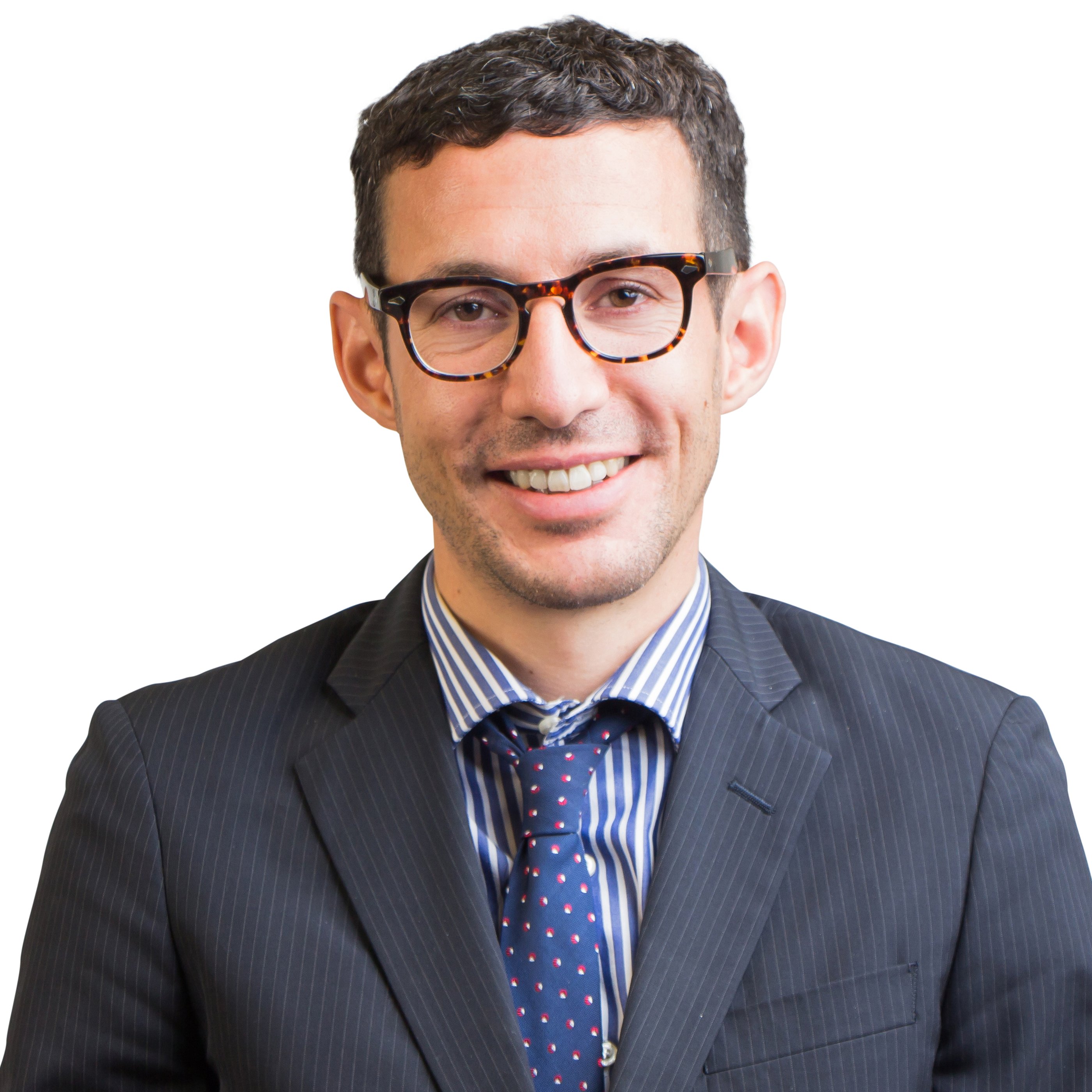
Joshua Yaffa (2016)
Joshua Yaffa, 2016 National Fellow, wrote an article for the New Yorker discussing what the coronavirus revealed about Putin’s “vertical of power.” Joshua later wrote about the country’s lack of crackdowns in response to the pandemic.
Joshua previously wrote for the New Yorker about the coronavirus’s spread in the Russian Arctic. Joshua also wrote about the life and COVID death of a Siberian doctor.
Joshua covered the Russian race against the West to develop the vaccine. He later wrote about the country’s low rate of vaccinations.
Joshua previously reported on the country’s low rate of COVID-19 cases.
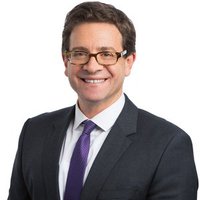
Julian Zelizer
Julian Zelizer, 2015 Fellow, wrote an opinion piece for CNN about the potential consequences of not including COVID-aid funds in the omnibus spending bill. Julian previously wrote about the impact of the Omicron variant around the holidays.
Julian wrote a piece for CNN about why vaccines need to be enforced as a common good. He also appeared on NPR’s “Here and Now” to discuss the issue.
Follow New America on Twitter (@NewAmerica) to stay up-to-date with our latest research. If you'd like to connect with one of our experts, you can find their contact info on the Our People page.