Jan. 23, 2024
Lee Drutman was quoted in The Atlantic on how polarization internally unites political parties.
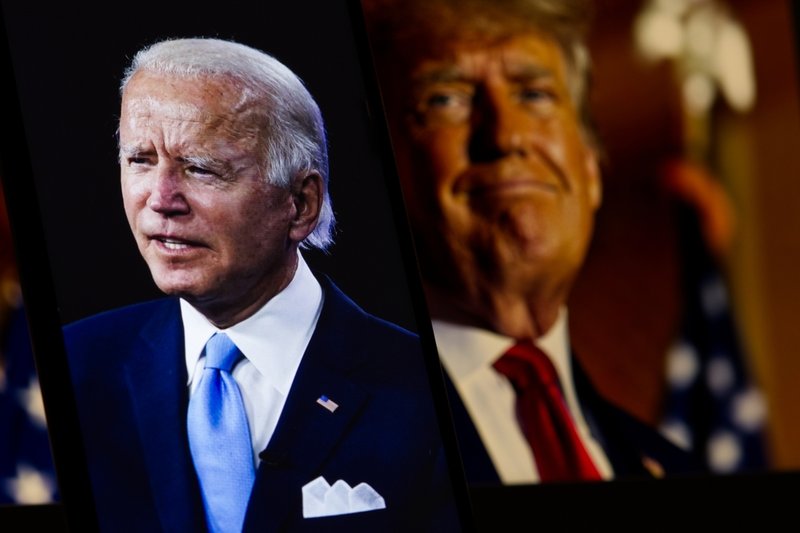
At one time, both parties had liberal, moderate, and conservative wings. The result was that when the parties nominated candidates who had broad appeal within the party, those candidates also tended to have broad appeal outside the party. That does not describe this year’s Republican primary. The party’s base has opted to return to a candidate who comfortably lost the most recent election. Democrats, meanwhile, are sticking with a president who’s had consistently low approval ratings. As the legal scholar Edward Foley writes, Haley is likely the choice of more voters at this moment than either Biden or Trump, but the two-party system, under conditions of intense partisanship, makes her campaign essentially finished after her New Hampshire defeat.
“As the parties have polarized and separated, what’s happened is that while the parties remain internally fractious, what unites them more than ever is hatred of the other party,” the political scientist Lee Drutman told me last year.