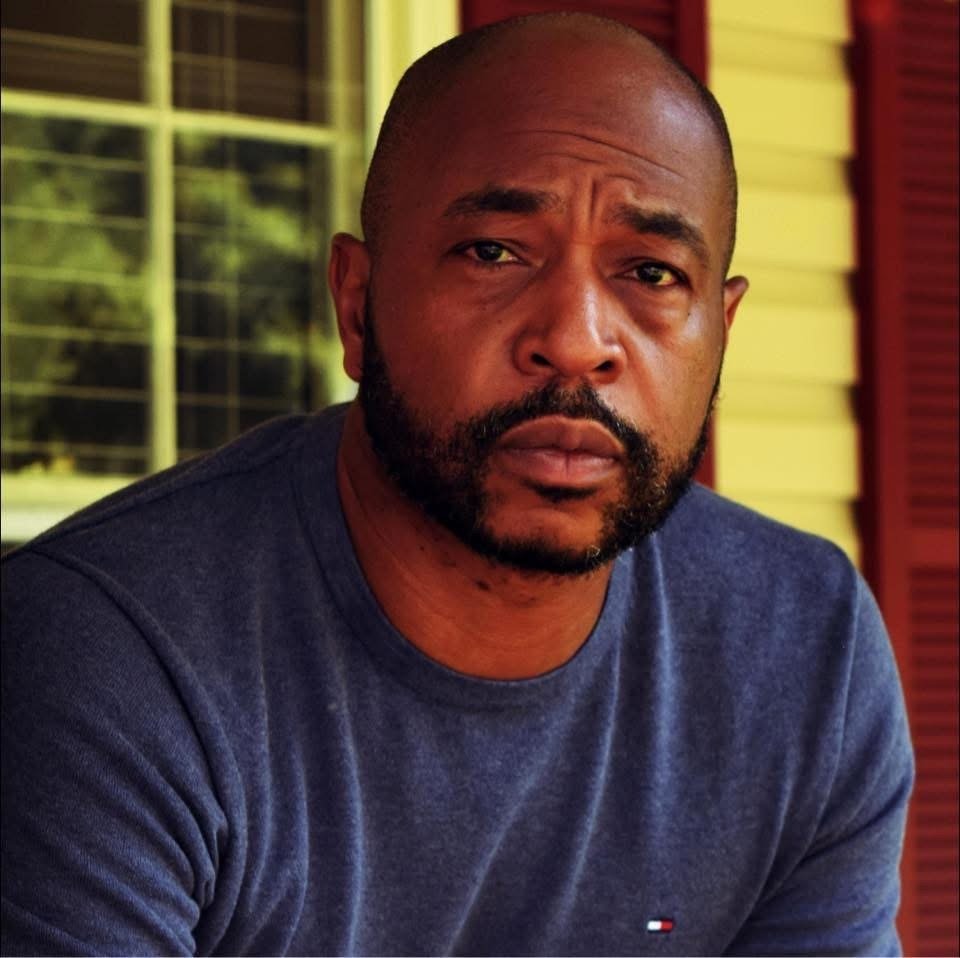
Theodore Johnson
Senior Fellow, Democratic Futures

New America 2017 Fellow Theodore R. Johnson spoke about his book When the Stars Align for “Three questions” in The Fifth Draft, the Fellows Program’s monthly newsletter. Johnson is a writer and scholar whose work explores national solidarity, race, and American politics.
Your Fellows Project was the basis for your forthcoming book, When the Stars Begin to Fall: Race, Solidarity, and the Future of America. Can you share the origins of the project?
Just two months after my fellowship year started, the 2016 election changed the landscape for my book project. It was originally centered on black America’s political diversity and intended to argue that electoral competition for black voters is a precondition to the next wave of transformative policies that reduce racial inequality in the United States. But after Trump’s victory, much of the national interest turned toward white working class voters. After conversations with other fellows and book agents, I decided to expand the idea from one bloc’s electoral solidarity to the broader concept of national solidarity as a way of confronting racism in America. Through tons of research and writing more book proposals than I care to recall, When the Stars Begin to Fall was born. It is a book that argues racism is a threat to the American ideals, a multiracial solidarity grounded in civil religion is the best way to address it, and the model for this national solidarity can be found in the civic, political, and social history and experiences of black America.
Goal-setting and maintaining the discipline to meet writing benchmarks are easily the biggest impact from being in the military.
You served as a commander in the United States Navy and held a variety of positions including as a White House fellow and speechwriter for the chairman of the Joint Chiefs of Staff. What impact does your military career have on your current work?
Goal-setting and maintaining the discipline to meet writing benchmarks are easily the biggest impact from being in the military. Chipping away at the objective and staying on schedule—whether on an overseas deployment, preparing a nationally televised Memorial Day address at Arlington Cemetery, or finishing a book chapter—has carried through from service to my work today. It’s also given me a worldview that is both optimistic and pragmatic—I have a deep reverence for the nation’s ideals and serving alongside Americans from all over has helped me be hopeful for our future, but being part of a large hierarchical institution has shown me how difficult change is and that there is value in incremental progress.
You’re active on Twitter. How do you think about using the platform to promote your work and to affect policy change?
Mostly, I treat Twitter like a mini opinion column. The majority of my activity there are threads that unpack an idea over a series of tweets. In some ways, the goal is to breeze past the gatekeepers at publications and get my thoughts out quickly. This has helped me in a few ways: It’s gotten me commissions to write in major publications and for speaking engagements; threading gets more exposure than single tweets, and that has turned into meetings with elected officials and policymakers; and it increases my following and byline reach, which I hope will benefit my book! I have a relatively small following compared to other academics and writers, so I’m hoping to engage more this year and grow my audience.
Subscribe here to receive next month’s issue of The Fifth Draft.
Senior Fellow, Democratic Futures