
We Need More Worker Voice When Implementing AI
We need more worker voices when implementing AI. Employers can enact these strategies to ensure that workplace AI is a win-win for business and workers.
We examine science, labor, and industrial policy approaches and "win-win" models that foster collaborations among workers, economic developers, technologists, and employers in the development and implementation of AI and advanced technologies.
New America’s Future of Work and Innovation Economy (FOWIE) initiative is undertaking research, storytelling, and policy efforts to understand, incubate, and promote practical ways to restore and renew American worker power and job quality as emerging technologies and technological innovation shape our labor markets.
Building our prior partnership with the World Economic Forum, our work aims to position better labor policy, labor unions, and worker-centered organizations to maximize the opportunities and mitigate the risks of emerging technologies on work and workers in collaboration with employers, educators, policymakers, and R&D organizations. This collections page highlights our work across this intersection.
Sign up for our Future of Work Bulletin newsletter to stay updated on our latest work. Contact Shalin Jyotishi for questions, coverage tips, or presentation requests.
We need more worker voices when implementing AI. Employers can enact these strategies to ensure that workplace AI is a win-win for business and workers.
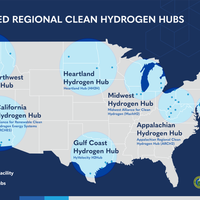
The Biden Administration highlighted labor and community engagement in announcements of seven selectees for its $7 billion Clean Hydrogen Hubs.
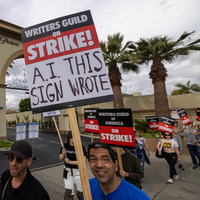
Labor unions have an important role to play in ensuring that AI is a win-win for workers and employers and that good jobs exist in the innovation economy.

The Energy Department's IAC program will help community colleges and trade unions promote equitable workforce development for green jobs.
Shalin Jyotishi published an article in Forbes about labor unions and the emerging hydrogen industry.
In order to make sure workplace technologies improve jobs, employers should collaborate with labor unions and co-design technologies with employees.

Organizations need to ensure that the workplace technologies they adopt are implemented in a human-centred way that benefits both employers and employees.

Shalin Jyotishi wrote an article for Forbes about insights from workers on how employers can ensure that AI makes jobs better.
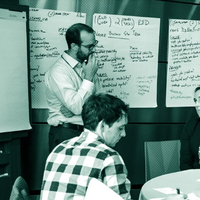
Thought leaders revisit the Shift report and consider what the commission got right, what they didn’t see coming, and what the future might hold.

Shalin Jyotishi wrote an article for Forbes about how U.S. workers and employers can co-design workplace tech.

What is the EEOC and how can it help maximize the benefits and mitigate the harms of AI on workers?

Labor-community college partnerships could increase enrollment and union membership value while expanding upskilling options for millions of adults.
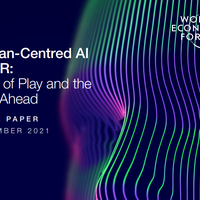
The World Economic Forum, with contributions from the Center on Education and Labor at New America and the Center for the Fourth Industrial Revolution Turkey, an affiliate center of the World Economic Forum, published a white paper, Human-Centred AI for HR: State of Play and the Path Ahead, and the “Human-Centred AI for Human Resources: A Toolkit for Human Resources Professionals” toolkit to scale the responsible use of artificial intelligence in HR.

A discussion on how to ensure that workplace technologies benefit employers and workers equally.

A discussion about the future of work, building on the work of the Shift Commission on Work, Workers, and Technology.
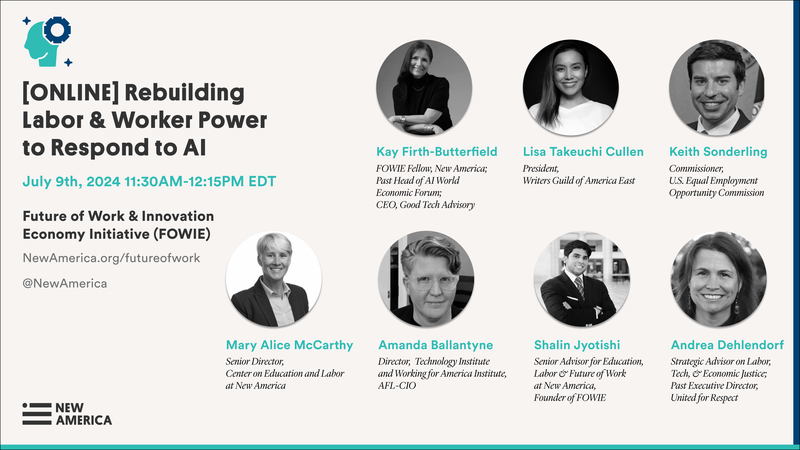
A discussion with labor, policy, and industry leaders about renewing U.S. worker and labor power to maximize the benefits and mitigate the risks of AI on workers.

A discussion with the Good Jobs Collaborative and the U.S. Department of Energy.