What is Culturally Responsive Education?
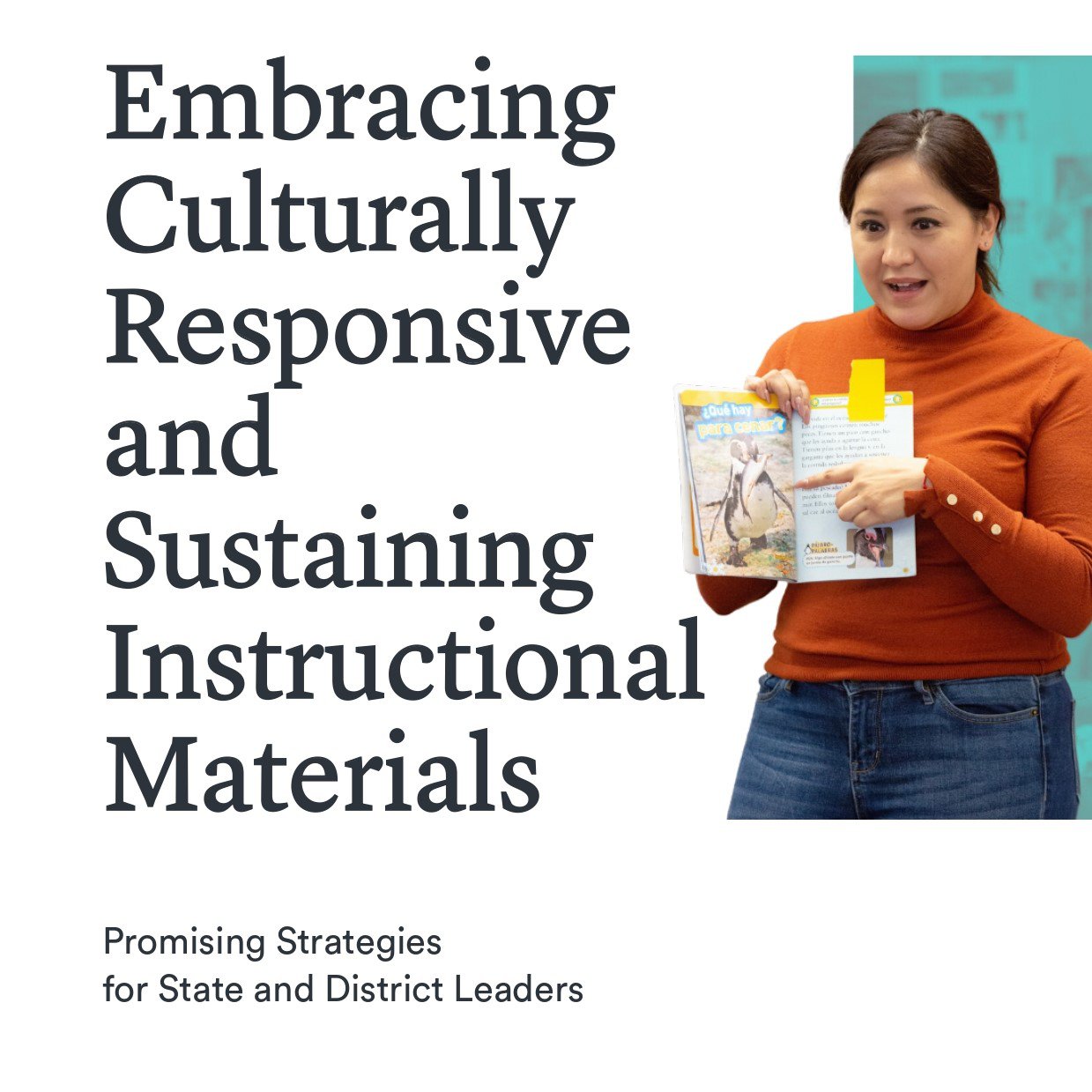
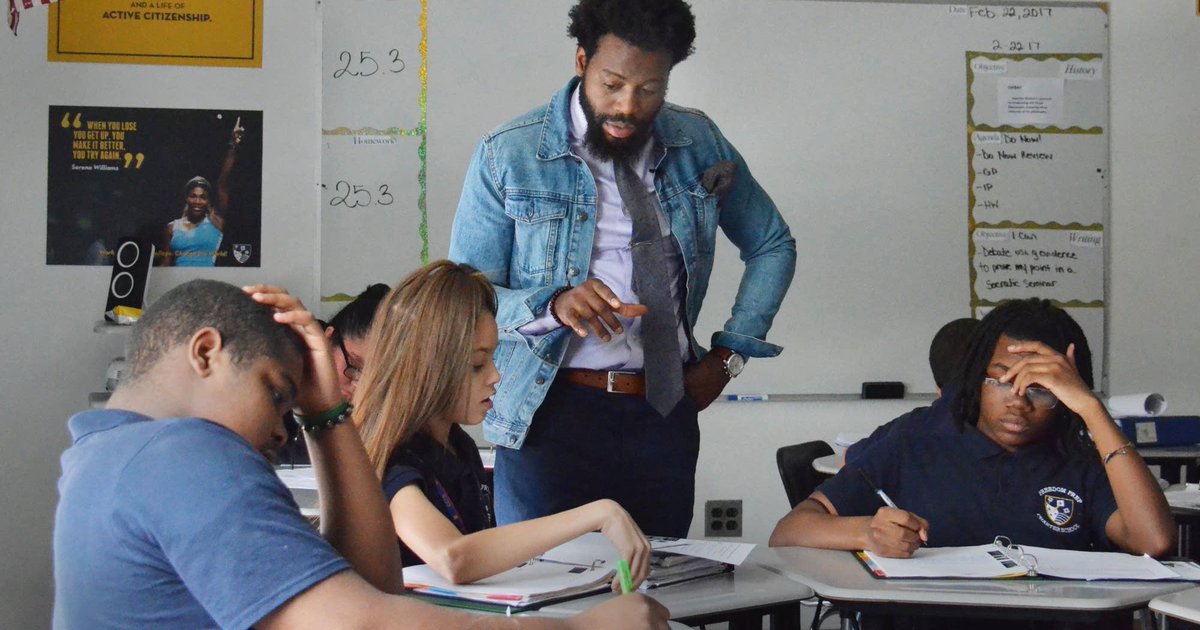
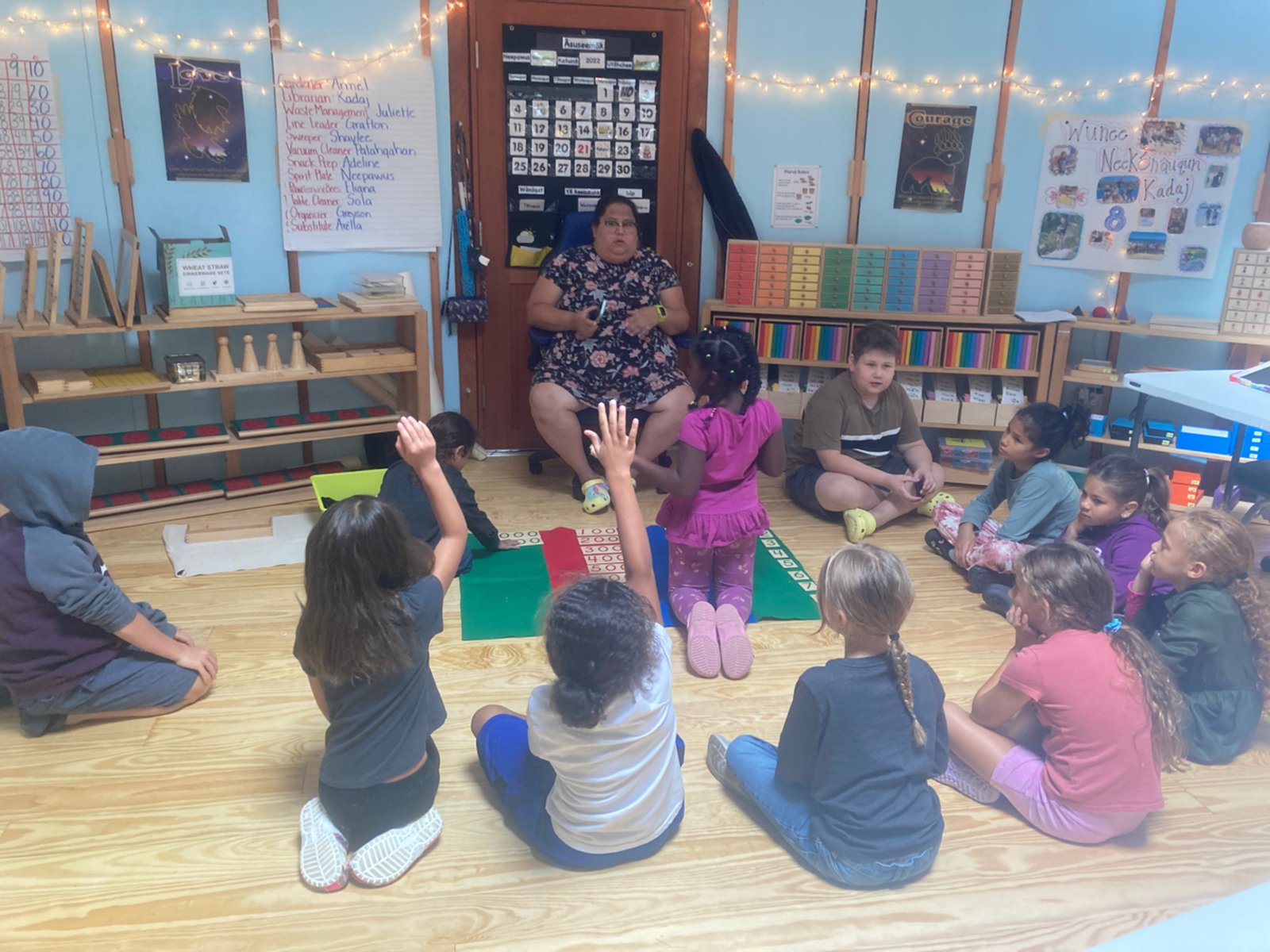
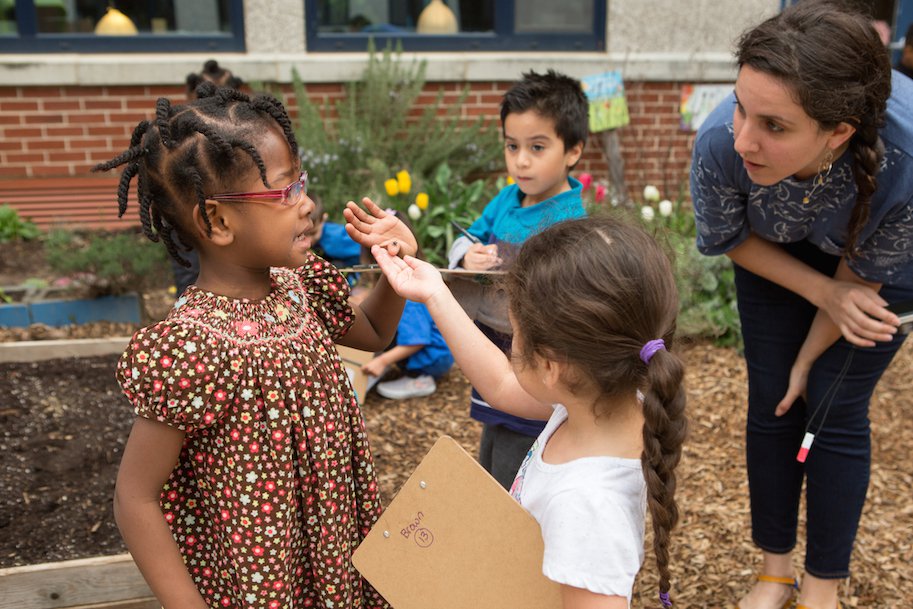
Culturally responsive education (CRE) is an approach to schooling that promotes student engagement, learning, and achievement by centering their knowledge, cultural backgrounds, and everyday experiences in the classroom. Students who experience CRE engage with academic content in ways that are personally meaningful, build purpose, counter stereotypes, and develop their ability to connect across lines of difference. Other common frameworks that describe this education philosophy include culturally relevant pedagogy, culturally responsive teaching, and culturally sustaining pedagogy (to learn more, see “Understanding Culturally Responsive Teaching”).
Why Culturally Responsive Education?
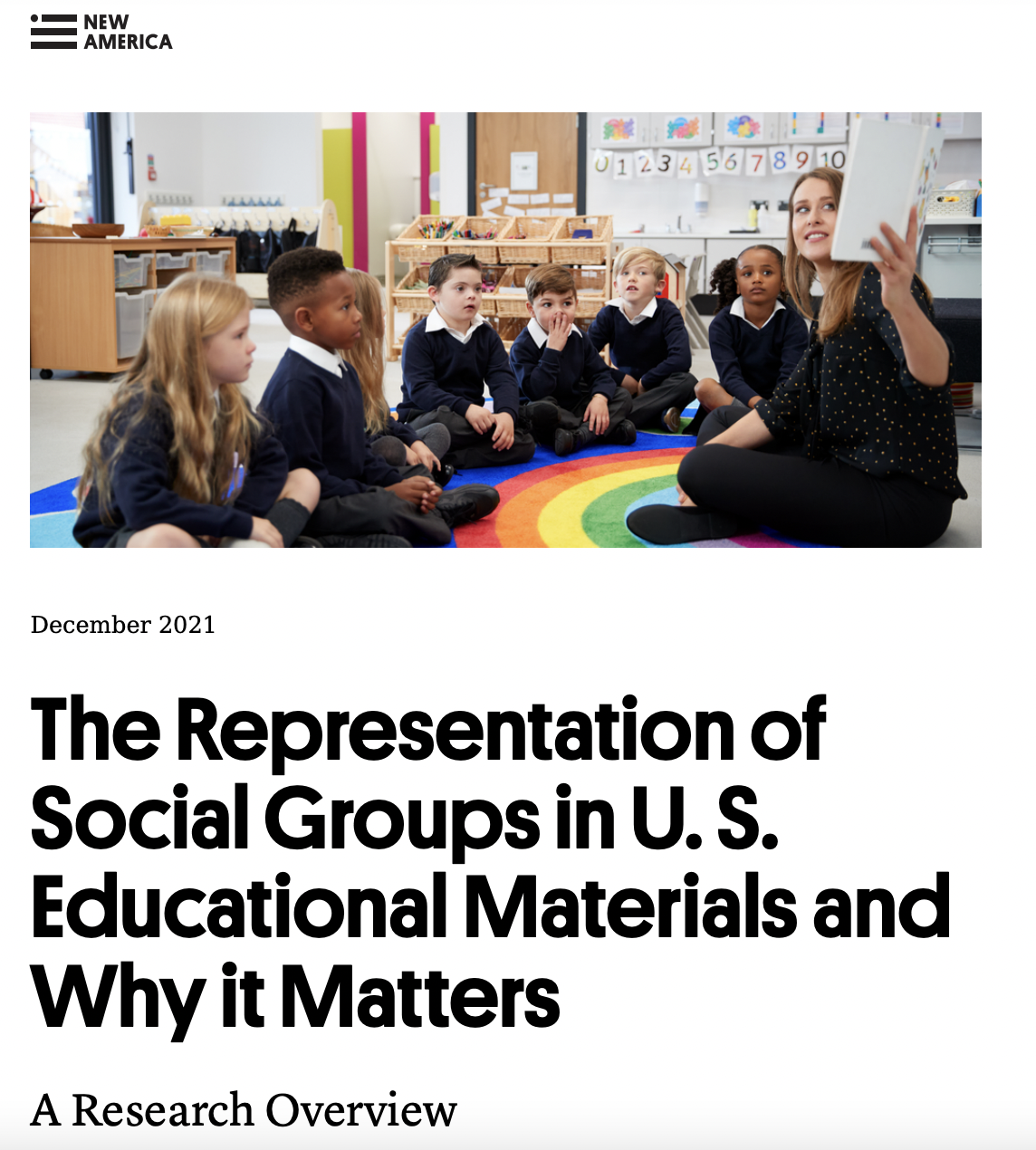
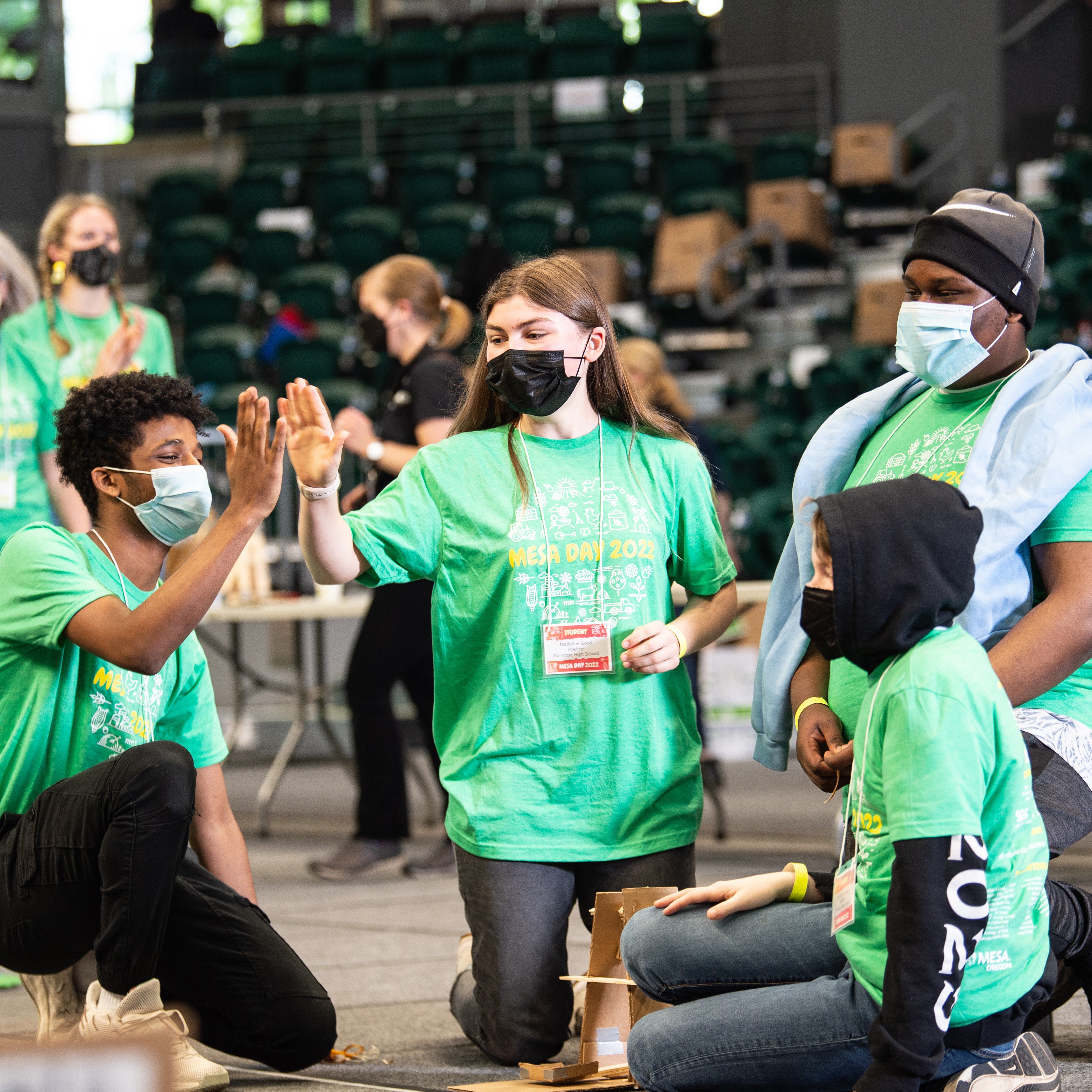
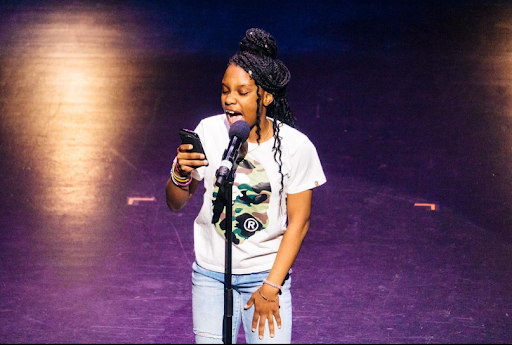
Schools have a long way to go to deliver welcoming, engaging, and effective learning environments for all students. Indeed, research shows that Black, Indigenous, students of color, and LGBTQ students disproportionately experience teacher biases, punitive discipline, and narrow, decontextualized curriculum. This helps to explain why so many students are less likely to engage and succeed in school. But it does not have to be this way. When educators and education leaders lift up students' cultures, sources of knowledge, and the issues they care about, it can increase their confidence, interest, motivation, and academic success. Culturally responsive teaching also promotes positive racial and ethnic identities, self-esteem, socioemotional well-being, and the ability to overcome discrimination (to learn more, see “5 Ways Culturally Responsive Teaching Benefits Learners”).