
Are There Truly No Differences in Teacher Preparation Program Quality?
With new teacher preparation regulations being released soon, new research raises potential doubts on measuring quality of teacher.
With new teacher preparation regulations being released soon, new research raises potential doubts on measuring quality of teacher.
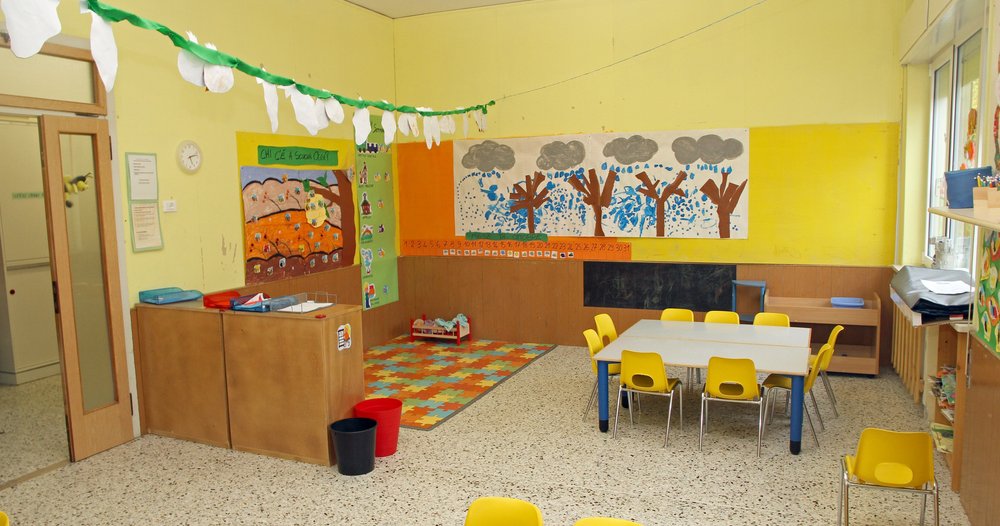
Fifty-three percent of the principals said they had pre-K programs in their schools, but only 1 in 5 felt well-trained in instruction for ea

Dr. Conor Williams answers questions on bilingual education and the research behind learning languages in the early years.

A review of Dale Russakoff's new book on the promise and failures of Newark's education reforms.

The House and Senate committees have set spending levels for key ED and HHS programs much lower than the President's requested amount.

Isabella Sanchez talks about the "language shift" that many second-generation immigrant students are experiencing in Miami.

Jeb Bush understands that pre-K is politically hot, but that's where his expertise runs out.

A new bill promises to streamline current federal teacher loan programs and attract and retain quality teachers in high-needs schools.

The Community Eligibility Provision allows districts with 40% or more students receiving free lunch to offer free meals to all students.

Law enforcement treating misbehaving children in school as they might treat violent adult offenders happens more frequently than realized.