
The Sky Below
In August 1947, India and Pakistan were partitioned, yet the boundary between Indian and Pakistani culture remained porous and intersecting.
In-Person
New America
1899 L Street NW, Suite 400, Washington, DC 20036

Under the Same Sky
We talked with Joseph Kim about his journey across cultural and political realities an entire world apart.
Can Unlimited Contributions to Parties Really Reduce Polarization?
Ideological polarization has prevented American politics from functioning properly, but is strengthening political parties a solution?

Federal Government Approves HTTPS-Only Standard for All Federal Websites

Lessons from Houston on the Benefits of Dual Immersion Programs for DLLs
Demographic data bear out the claim that Houston is transforming into an ethnically and culturally diverse large metropolitan population.

State Advisory Councils Encourage Collaboration in ECE
A new report from SACs shows progress in working with high risk students in early education.

The Post-ownership Society
How the “sharing economy” allows Millennials to cope with downward mobility, and also makes them poorer.

The Young and the Rentless
Can shared equity make homeownership safe for Millennials?
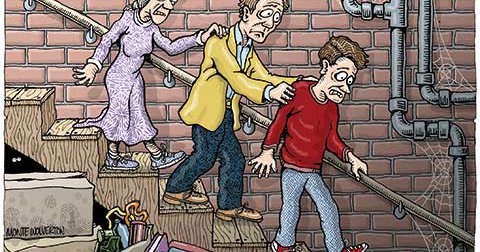
Wealth and Generations
By focusing on the growing riches of the “1 percent,” we miss another form of inequality that is bigger, and arguably even more dangerous.
Academic Fraud and Title IX Eating Its Own Tail
Higher Ed Happy Hour Episode 7: Andrew, Libby, and Kevin debate the larger meaning of the LaCour academic fraud case.
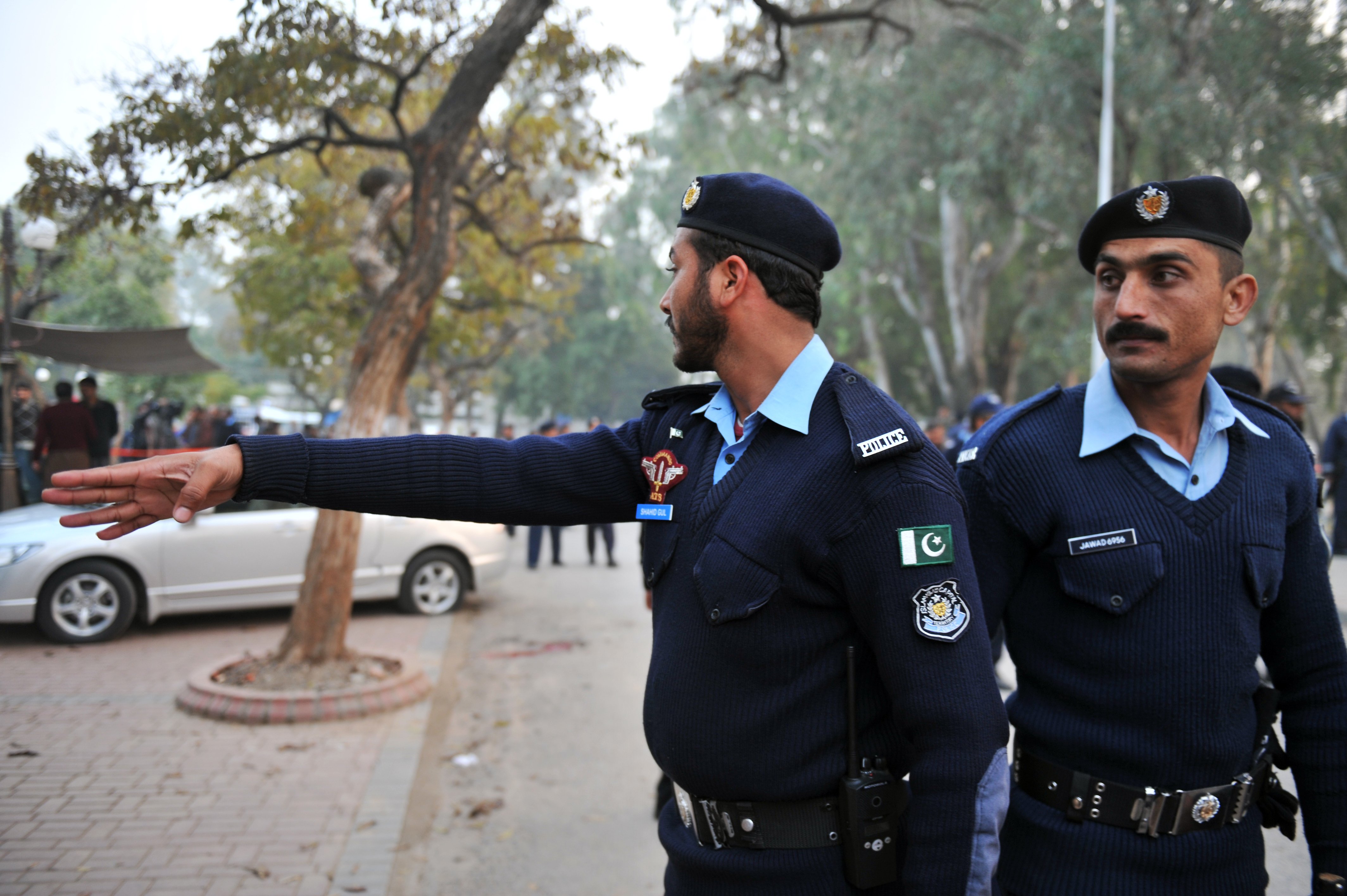
Court Rejects Effort to Stay Network Neutrality Rules
A federal appeals court today rejected an effort to delay the Federal Communications Commission’s historic Open Internet Order from going in
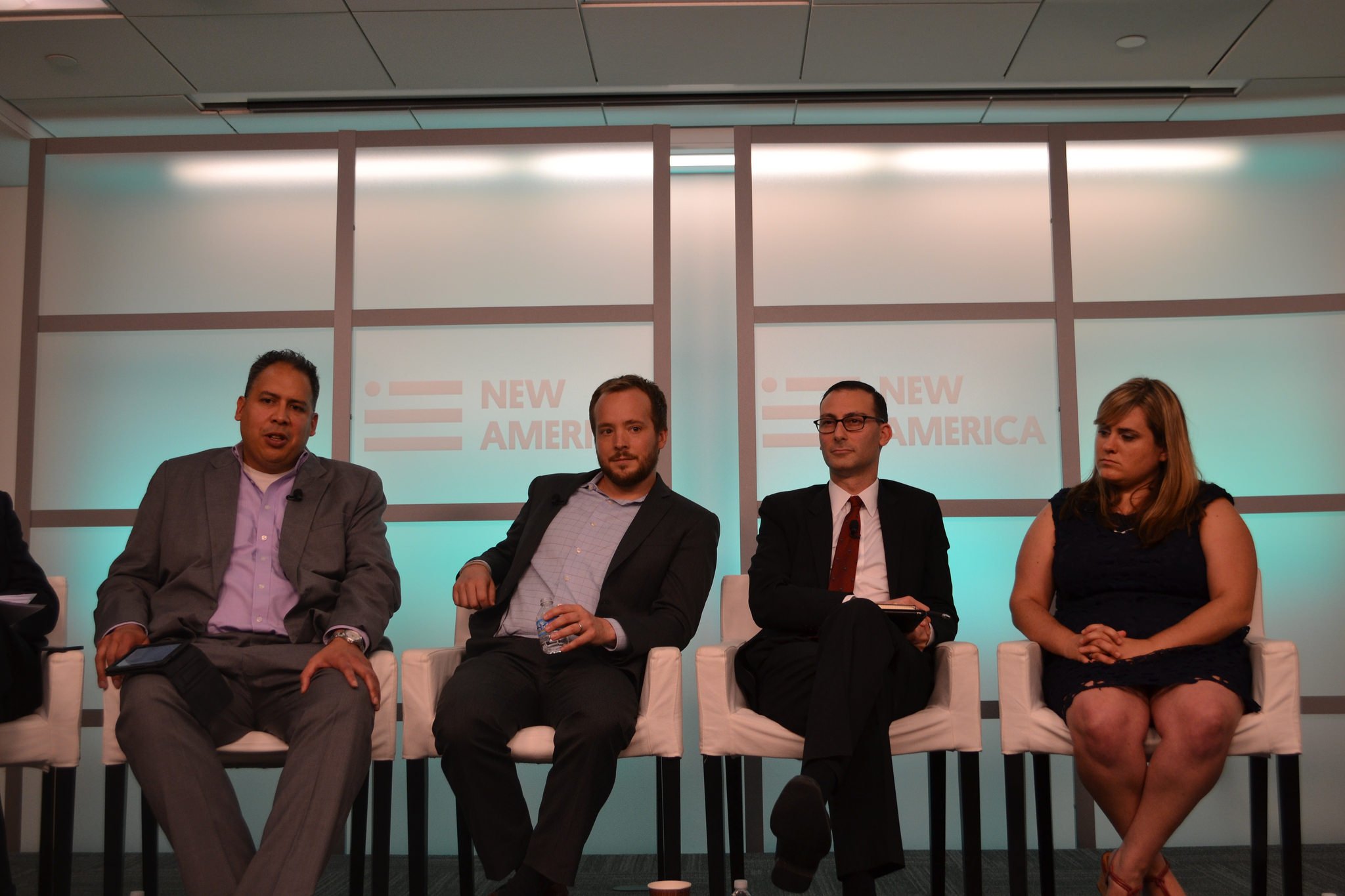
Cyber War vs Cyber Realities
Valeriano and Maness, takes a stand against the mainstream wisdom arguing there is very little evidence that cyber war is a real threat.
In-Person
New America
1899 L Street NW, Suite 400, Washington, DC 20036

Dual Language Learners and the Scourge of Limited Data
How many dual language learners are there in U.S. schools? Are there more now than last year? The answer(s) may surprise you.