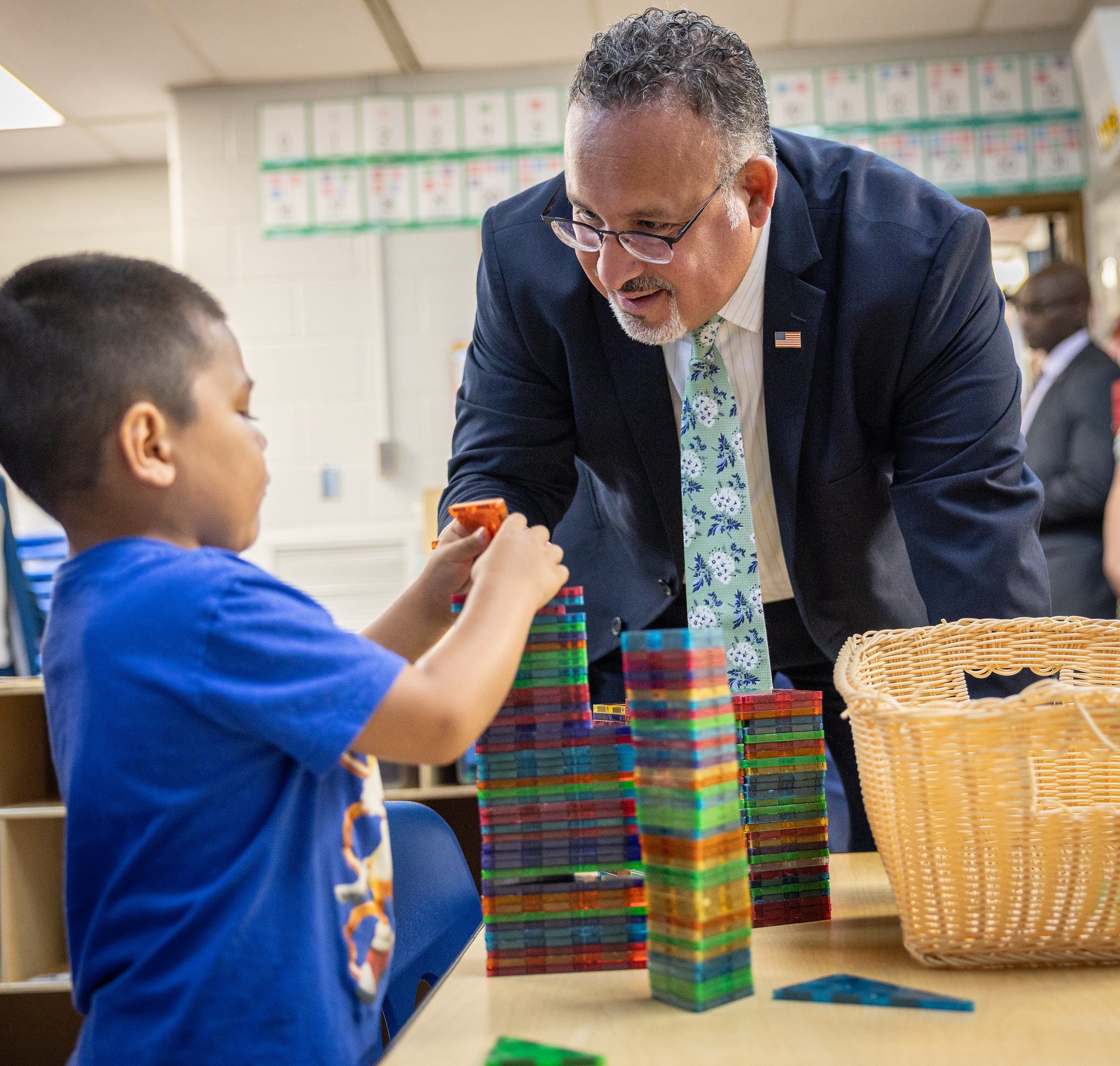
Secretary Cardona Elevates Kindergarten and the Early Grades
The U.S. Department of Education’s (ED) early learning focus has the potential to help states and school districts rethink kindergarten.
Big ideas, bold solutions. Explore the latest research, analysis, and policy insights from our experts.
The U.S. Department of Education’s (ED) early learning focus has the potential to help states and school districts rethink kindergarten.
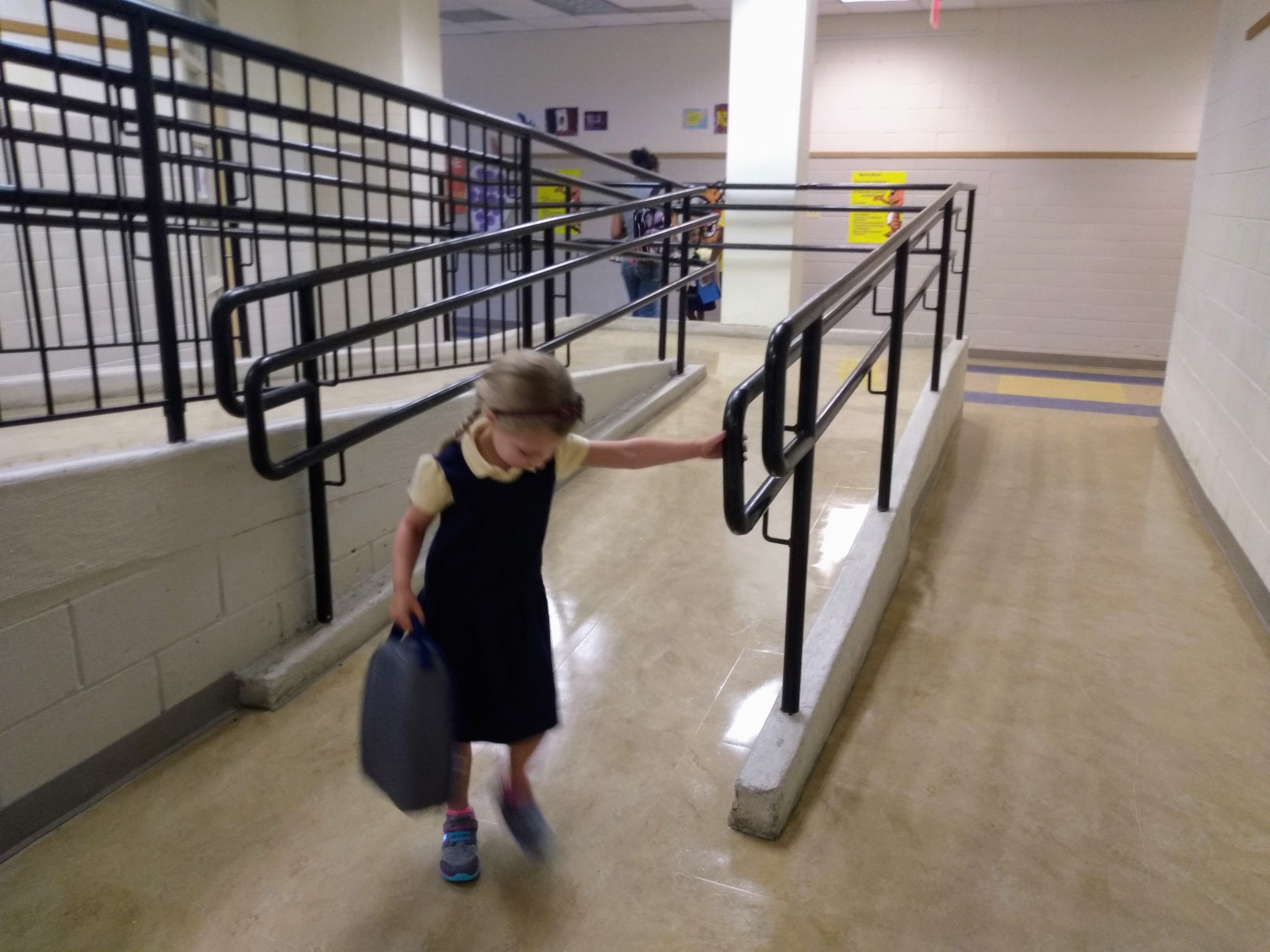
state and local leaders could change policies and practices to smooth the transition into (and through) elementary school grades

There has been a recent, growing shift toward purposeful play or play-based learning as an instructional strategy in elementary education.

Some states are going beyond these traditional areas of action, wading into other areas of policy and practice.
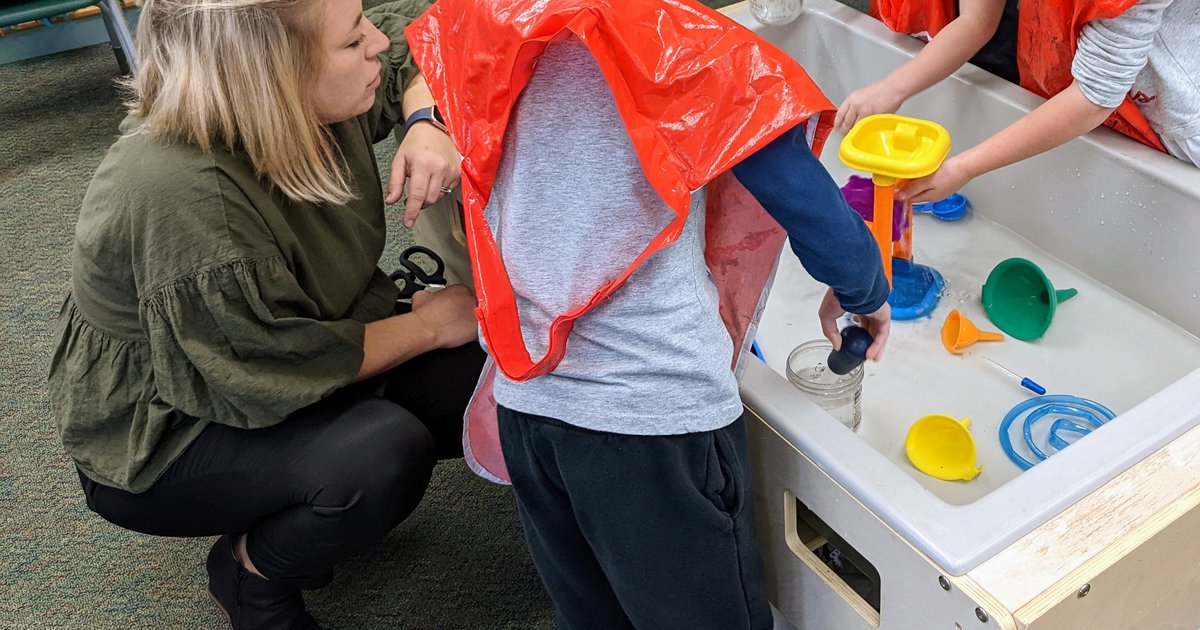
Helping to create the conditions for young children to thrive in kindergarten begins by better understanding what is getting in the way.

Clements lamented, “the trouble is… most kindergarten classrooms teach children math they already know. We have to move beyond that.

Research has shown that children learn best when they are engaged in developmentally appropriate experiences and activities: play!
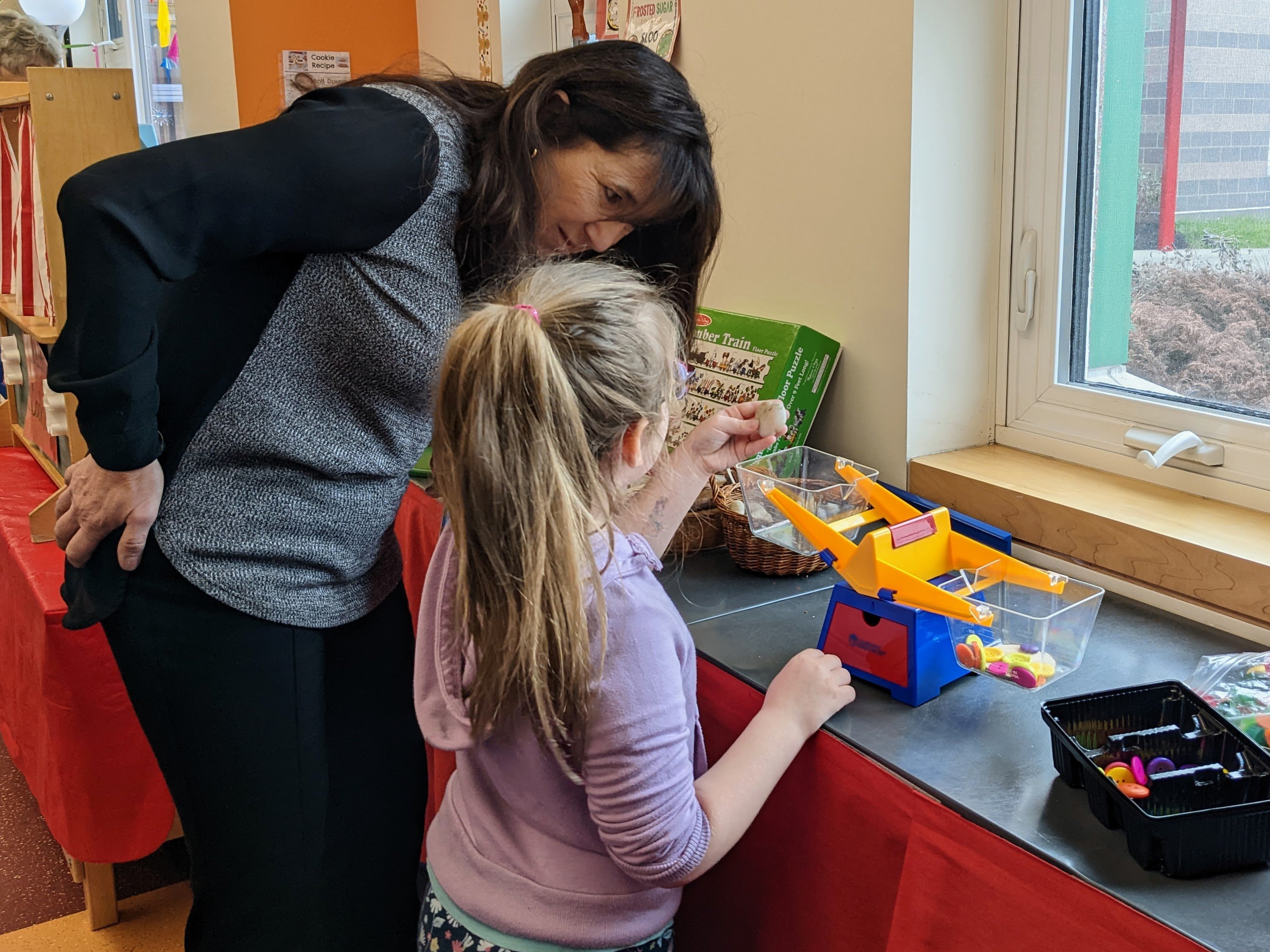
Women played a consequential role in advancing kindergarten education in the United States.

PDG includes a focus on the transition into kindergarten and alignment with the early grades.

A collection of resources for PDG B-5 grant applications

While most kindergarten-aged children do attend some type of kindergarten, their experience depends on where they live.


Universal per-K could become a real possibility in America, and our Education Policy team is focusing on the challenges and benefits of it.
The proposed Build Back Better legislation represents the first major U.S. attempt to invest in building a care infrastructure.
One area yet to be addressed is what the expansion means for how kindergarten and the early grades must transform.