Sarah Kay
New America (Arizona) Fellow, 2022
New America 2022 Fellow Sarah Kay spoke about her forthcoming book about her family’s history for “Three questions” in The Fifth Draft, the Fellows Program’s monthly newsletter. Kay is a poet turning to longform nonfiction for the first time, weaving together research, memoir, and metaphor drawn from her years of writing poetry.
Your Fellows project will be a book about your Japanese American grandmother and the circumstances that brought her to a boarding school for indigenous girls in South Dakota at the end of World War II. Why did you decide to explore this story as a book?
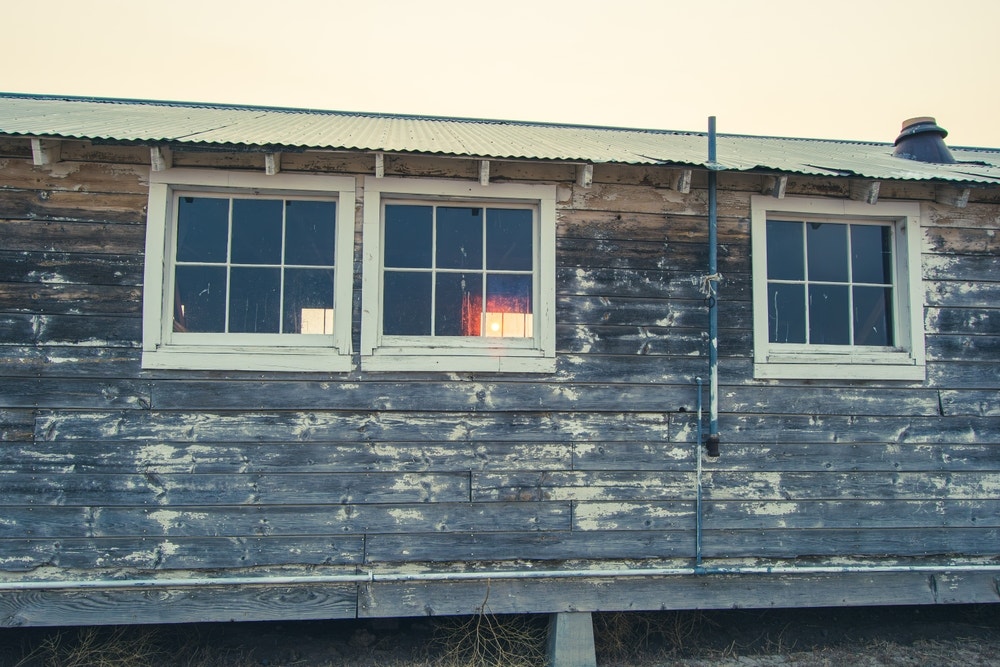
Nobody in my family had any photographs or documents from this period of my grandmother’s life—just lore and two pairs of moccasins. In 2019, I met a woman who grew up in South Dakota, who felt it was possible to find someone who might have known my grandmother. (A Japanese American woman would have stood out in 1946!) Through many kind people making connections on my behalf, I had the opportunity to meet and interview people across the state—welcomed into the homes of alumni in their 90s, historians, Episcopal Reverends, a former Tribal Chief, and residents of the town where the school once was, who have lived there since the 1940s. What started as a personal project to fill in the gaps in my family’s history, has evolved into an opportunity to look more closely at this unlikely intersection of histories.
This book is a new medium for me (longform nonfiction), but I hope to integrate what I have learned from years of poetry writing, and much like I do in my poetry, I plan to incorporate research, memoir, and metaphor throughout.
How do you plan to balance the personal, including family documents and heirlooms, with the wider historical narrative of Japanese American internment and indigenous boarding schools in the book?
In its final form, this book will braid together three main threads: 1) My experiences and conversations in South Dakota over the past few years, 2) The events of my grandmother’s life from internment to South Dakota to post-war Los Angeles, and 3) Stories and anecdotes from interviews and research that provide background and context. The book is primarily a personal narrative and not meant to be anthropological or comprehensive, but I am incorporating as much research as I can, including primary documents and images that I have amassed and digitized from several visits to the Springfield Historical Society Museum, the archives at Augustana College, the archives of the South Dakota Oral History Center, and the State Archives in Pierre, in addition to transcripts of conversations with the people I’ve interviewed.
Many people know you through your poetry, including your viral TEDTalk presentation of your poem “If I Should Have A Daughter.” Does poetry influence your current project?
Yes! There is very little in my life that poetry does not influence. 🙂 This book is a new medium for me (longform nonfiction), but I hope to integrate what I have learned from years of poetry writing, and much like I do in my poetry, I plan to incorporate research, memoir, and metaphor throughout.
Subscribe here to receive next month’s issue of The Fifth Draft.
New America (Arizona) Fellow, 2022