Julian Brave NoiseCat
New America (11th Hour) Fellow, 2022
Author, We Survived the Night
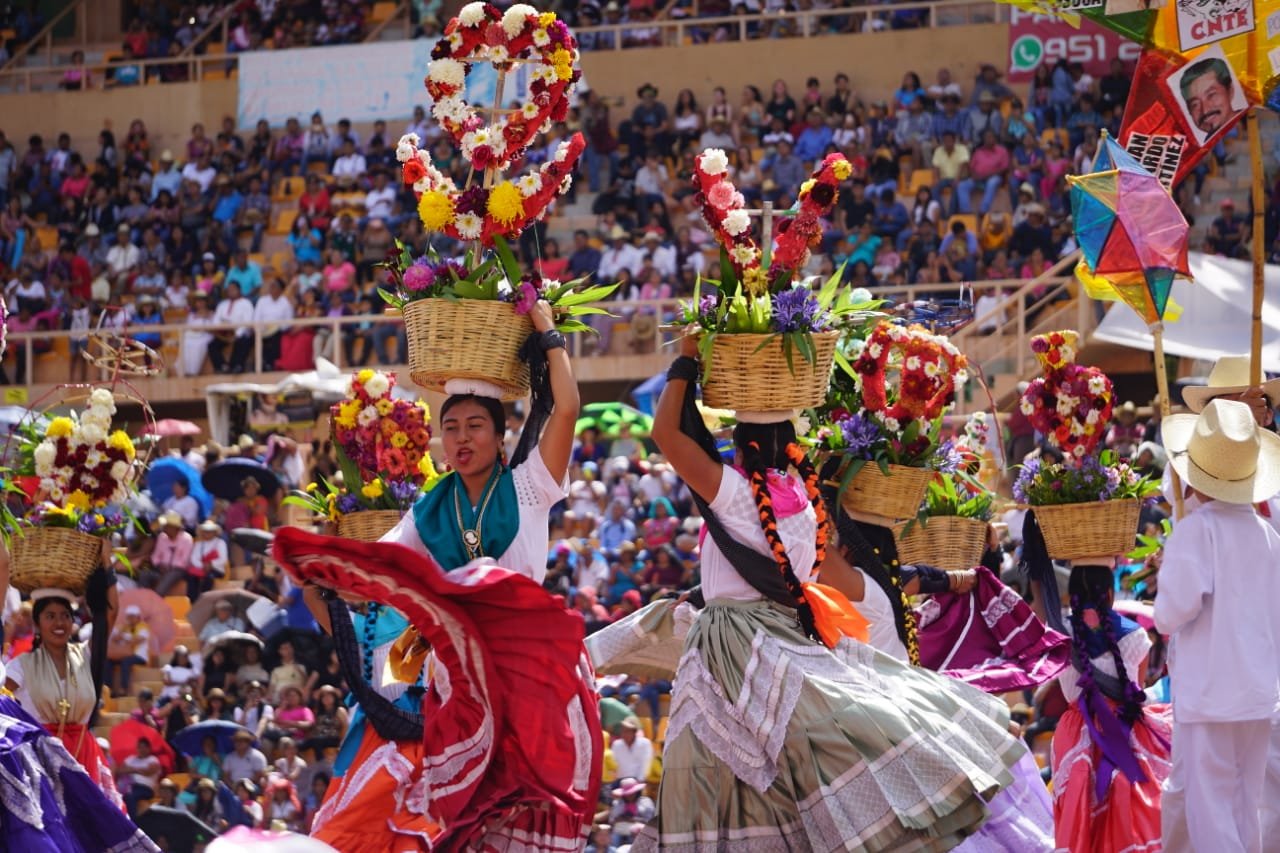
New America 2022 Fellow Julian Brave NoiseCat spoke about his book, We Survived the Night, for “Three questions” in The Fifth Draft, the Fellows Program’s monthly newsletter. NoiseCat is a writer and filmmaker, and an enrolled member of the Canim Lake Band Tsq’escen, who explores Indigenous history, survival, and storytelling in his work. His documentary Sugarcane earned an Academy Award nomination.
Your Fellows project, a book tentatively titled We Survived the Night, will aim to provide a definitive account of contemporary Native life in the United States and Canada. Can you share what the title means and what you hope readers—Native and non-Native alike—will take away from this message?
“Definitive” is a tricky word. While I hope to write and report some things that are definitive enough that they are worthy of a book, I see myself as part of a vibrant and growing community of Indigenous writers and storytellers who are trying to put together arguments, narratives and artworks that do our peoples justice. My greatest hope is that my readers will get to see and experience Indian Country the way I see and experience it: as beautiful, expansive and yet intimate; a post-apocalyptic community just as epic as the tricksters we have told stories about since time immemorial on an odyssey to return to and reclaim our rightful place on this stolen land.
The title I’ve chosen for that book We Survived the Night, is derived from my Secwepemc people’s traditional way of saying good morning: tsecwínucw-k (pronounced: “chook-we-nook”). Tsecwínucw-k doesn’t actually translate as “good morning.” It literally means “you survived the night.” I often think about what it must have meant for my ancestors to greet each other and the sunrise by acknowledging that they had lived to see another day.
I always had this vague notion that having a voice was a prerequisite to having agency which in turn was one of the first building blocks for power and change. But I didn’t really learn how journalism and advocacy fit together until quite recently.
You write about the environment and climate change in addition to Native issues. How are the experiences of Indigenous communities tied to environmental issues?
To be Indigenous means to be a person native to a particular place, to trace your ancestry to your patch of earth back across generations and time, perhaps all the way back to your world and your peoples’ creation. When your epistemology and ontology—or to put it in terms that don’t sound like they belong in a PhD student seminar, when your identity, your personhood, your humanity, your very being—is attached to your land, your water and your place, I think it is impossible not to talk about the environment.
In my peoples’ Secwepemc language, for example, we identify all communities with a suffix, -emc, that denotes “the people of this place.” And in all Salish languages, a broader language family to which Secwepemc belongs, the root morpheme for “person,” “land” and “earth” is actually the same. Other Indigenous languages, I have learned, have similar concepts. In Te Reo Maori, the word for land and placenta is the same: whenua. The Diné (Navajo) bring their placenta to their homelands and bury them. For these reasons and many others I would almost hesitate to limit what we’re talking about when we say “environmental” issues because that sort of technocratic language belies how significant some of these things are to Indigenous peoples.
Your writing is geared towards activating social and political change. How did you first come to see the intersection of journalism and advocacy, and has your view of that intersection evolved throughout your career?
I always had this vague notion that having a voice was a prerequisite to having agency which in turn was one of the first building blocks for power and change. But I didn’t really learn how journalism and advocacy fit together until quite recently. Over the last few years I have been part of the broad movement for climate action, social justice and this somewhat amorphous progressive climate agenda thing called the “Green New Deal.” Alongside other mostly young people, I helped make the case for the Green New Deal and progressive climate policies. I worked directly with politicians and their staff, I wrote essays, op-eds and book chapters, I built a network of like minded experts, researchers and activists and I talked to reporters to try to shape the media narratives about the things I was advocating for.
I did traditional think tank work: writing and editing dozens of policy memos as well as public opinion polls, using these various research, communications and advocacy tools to pressure and persuade political actors to pursue more progressive climate policies, elect and appoint more progressive leaders and generally make more progressive decisions. I got to learn how these things I really cared about—progress, social justice, diverse leadership, etc.—by trying to make them happen.
There is, I think, an art to all of that. And it’s an art I care about a lot and would like to keep getting better at because it matters, arguably a lot more than writing well. On the other hand, though, it’s really hard to actually influence politics. I’ve been part of more campaigns that have tried and failed to make change than ones that have succeeded. For that reason, I think the art of writing is also an important refuge for my heart. I might not be able to persuade powerful and everyday people to think and act differently, but I can try my best to write something to the best of my ability. And that is also a worthy challenge.
Subscribe here to receive next month’s issue of The Fifth Draft.
New America (11th Hour) Fellow, 2022
Author, We Survived the Night