Toolkit for Using Policy to Enable Effective and Supportive Transitions for Children, Families, & Educators
State and local government officials must work to create systems that enable supportive and effective transitions for children.
In Fall 2021 and Beyond
The impacts of the COVID-19 pandemic on children, families, and educators and the importance of transition as a lever to mitigate those impacts is the impetus for a new project and collaboration between New America and EducationCounsel.
Every state, school district, and community leader needs to understand what children and the adults in their lives have experienced over the last 18+ months, what they need to move forward successfully in the short term, and what long-term transformations will be needed to make significant system improvements.
In order to ensure a seamless transition for children, families, and educators, state and local officials must cooperate to establish permanent effective and supportive transition policies and practices that recognize this as a year-long process that includes collaboration across early childhood settings and elementary schools. They must also align what children and families experience and how they experience it, as well as continuous improvement efforts.
COVID-19 provides us with an opportunity to reimagine and recommit to strengthening transitions between early childhood and K-12 systems. It is now up to states and local communities to make the transformations that are needed and sustain and build on them for the long-term.
Below we have curated transition-related work, including toolkits and reports from New America and EducationCounsel, blog posts, and resources from other organizations. We will continue to update this page to provide writing and resources that reflect what we are learning over the next year.
State and local government officials must work to create systems that enable supportive and effective transitions for children.

State and local officials must establish effective and supportive transition policies that recognize an ongoing process and include collaboration across ECE settings and elementary schools. This toolkit offers immediate steps needed to strengthen children’s transition this coming year and beyond.

English learners (ELs) are a growing segment of the U.S. student population — now making up nearly 10 percent of K-12 enrollment and over 30 percent of the young child (birth to 8) population. Despite the size of the EL population, few education policies are designed to address and cultivate the considerable assets that ELs bring to the classroom. To help address gaps in policies and practice, New America's EL team has created this resource hub to provide to provide a starting point for understanding a variety of issues related to ELs and their education.
Reports from districts around the country show historically low enrollment in pre-K programs—particularly among economically disadvantaged families—and a 16 percent drop in kindergarten enrollment on average for the 2020-21 school year. More now than ever before, there is a critical need to invest in high-quality early childhood and kindergarten programs that set students up for long-term success.

This report presents the findings of a nationally representative, probability-based telephone survey of more than 1,000 parents of children ages three to 13, all with household incomes below the national median for families in the United States (i.e., $75,000). Parents could reflect on a full year of remote learning and pandemic parenting, and also look forward—thanks to the proliferation of vaccines—to their children’s full and safe return to in-person schooling in the fall. But this survey goes beyond documenting families’ challenges.

New America is exploring strategies that support the planning of a stable, well-connected transition between early education and kindergarten. Click for our body of work on this issue.
This brief is intended to be a resource for state and local leaders by discussing why pre-K to kindergarten transitions matter, highlighting effective transition and alignment practices, explaining funding streams that can support transition planning and activities, and sharing state and local examples.
There is no denying that the COVID-19 pandemic has had major effects on children, families and educators — especially on the youngest learners who were just beginning preK or kindergarten and those living in historically underserved communities. States, school districts and community leaders can help mitigate the lasting effects by understanding children’s learning experiences over the last 2+ years, strengthening transition points to help children move forward successfully in the short term, and planning for long-term system transformations to ensure effective and supportive transitions. While there are transitions across preK through 12th grade, one of the most important is the transition into kindergarten.
Transition is a year-long, systemic process that includes actions at the state and local levels to support children as they move from parental care to preK or preK to kindergarten; where policymakers and practitioners need to ensure that curriculum, instruction and assessment are aligned. Without leadership, vision, supportive policy and careful planning, this transition work will not move forward as it is rarely the direct responsibility of one official in school districts or at state departments of education, human services or equivalent agencies. Despite its importance, transition is often overlooked or neglected and too often left only to discrete activities leading up to the start of a new school year.
Watch as New America once again joins with the Campaign for Grade-Level Reading to host Ready for Children: Ensuring Seamless Transitions Into Kindergarten. In this session, we share policies that enable effective and supportive transition. Then, we engage a panel of educators and community leaders from Nevada and Atlanta, Georgia, about their work to strengthen the transition into kindergarten and make that transition a year-long, supportive process in their states and communities. We discuss transition as a lever for family and community engagement, professional development and classroom environments. We also explore what is top of mind for these leaders as they prepare for the upcoming school year. What are the opportunities and challenges they see, and what support would be helpful from local, state and federal governments?
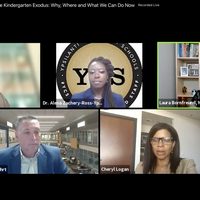
New American and the Campaign for Grade-Level Reading highlighted kindergarten and early grade bright spots and lessons learned from the last 18 months as well as key strategies to reengage parents and reenroll children. The event also looked at the role of effective and supportive transition policies and practices in helping to ensure that children, families and educators have what they need for a successful school year, as outlined in the recently released Toolkit for Effective and Supportive Transitions.

Laura Bornfreund moderated a webinar where she heard school principals’ perspectives about children’s early learning experiences over the last two years and their reflections about the current school year. Check out the webinar recording!

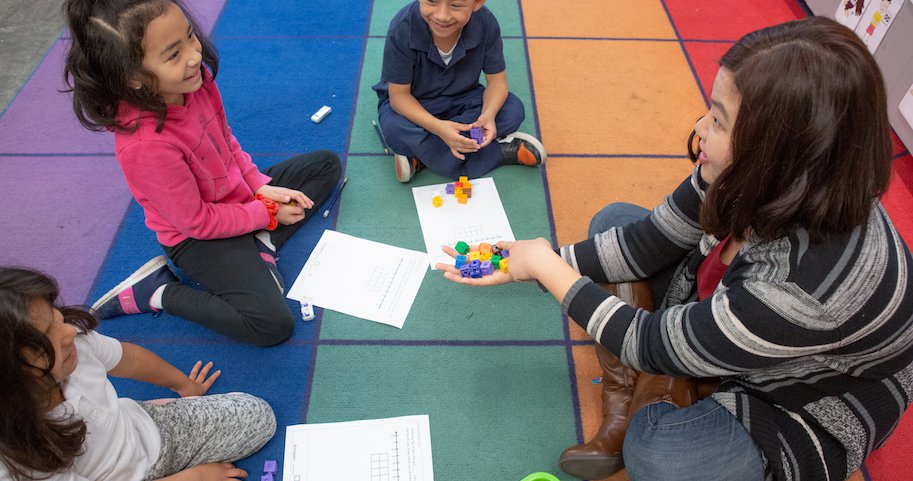
EducationCounsel and New America have worked with partners in communities across the country to strengthen transition

The Preschool Development Grant our state received in 2015 put the transition to kindergarten on our radar, but it wasn’t until 2020 that we really began to dig into this work. Like many other states, our early learning ecosystem took a particularly hard hit at the onset of the pandemic and it seemed that our community was eager to learn how to better support our youngest learners and their families during this new wave of reality.
Teachers need more help to be able to provide the individualized attention they say children in the early grades need to recover from the time they missed in school.

Children have more anxiety, challenging behavior, hunger, and mental health needs. Educators say they’ll need more support to succeed in kindergarten and first grade.

In a recent conversation with Rebecca Steinhoff, Executive Director of Wyoming Kids First, we delve into their community and state-level approaches to promoting successful kindergarten transitions.

As leaders and educators reflect on both the successes and challenges of this fall, it’s important to think strategically about how to use federal funding streams to best support their youngest learners. Those that work to build birth-to-third systems must consider the needs of their community and apply the flexibility of these federal programs to build their holistic support networks.
In one Los Angeles neighborhood, a model of holistic care run by a health system serves children by supporting adults and stabilizing the community. Schools should pay attention.
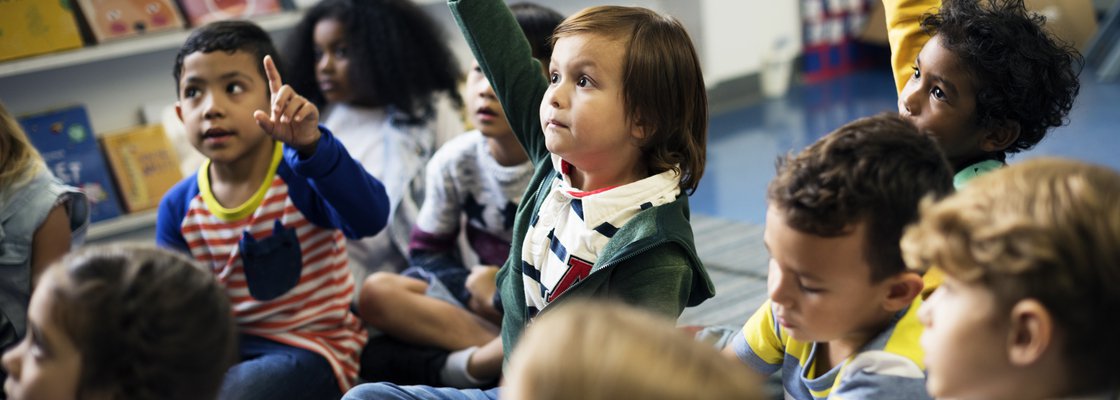
One area yet to be addressed is what the expansion means for how kindergarten and the early grades must transform. To maximize the benefits of investing in and strengthening ECE options for infants, toddlers, and pre-kindergarteners, decision-makers must strengthen what comes next: kindergarten, first, and second grade.
With schools back to in-person learning and with an influx of federal funding, now is the time to prioritize the transition of young children leaving pre-K and entering elementary school. States already doing this work are setting up their youngest learners for success moving forward and may provide a positive blueprint for other states to follow suit

In this article, Laura Bornfreund and Danielle Ewen argue that helping children get their education off to the right start requires state and local action, not just a handful of information nights and classroom visits.

In a recent report we encouraged state and school district leaders to use attendance data to help identify challenges for student populations or students living in a particular neighborhood and work with families to develop solutions to get students into the classroom. We wanted to dig a little bit deeper into attendance so we asked Hedy Chang and Louise Wiener from Attendance Works to help us do that. In their responses to our questions below, Chang and Wiener explain why addressing challenges to attendance is so important and offer some potential solutions and resources.
This summer, state and local leaders are putting plans into action for transitioning into a new school year—after an extraordinarily challenging couple of years. Leaders should prioritize policies that address the impacts of the COVID-19 pandemic on children, families, and educators and support their transitions back into classrooms this fall and beyond.
Data show the state’s 4 and 5-year-olds have missed a critical year of school. Experts say fall 2021 can’t be business as usual.
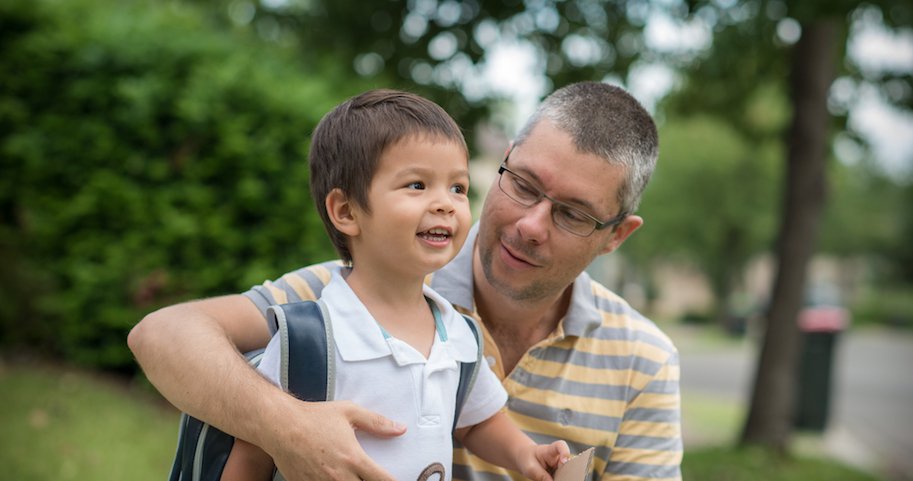
As schools begin the long process of helping students and families transition back to school, it can be helpful to understand how parents are feeling about the return to in-person learning to gain a better understanding of what schools can do to help families and students have a successful school year in 2021-2022 and beyond.

Elise Franchino recaps a recent New America and Campaign for Grade Level Reading event that featured superintendents discussing the unique challenges facing schools this fall.
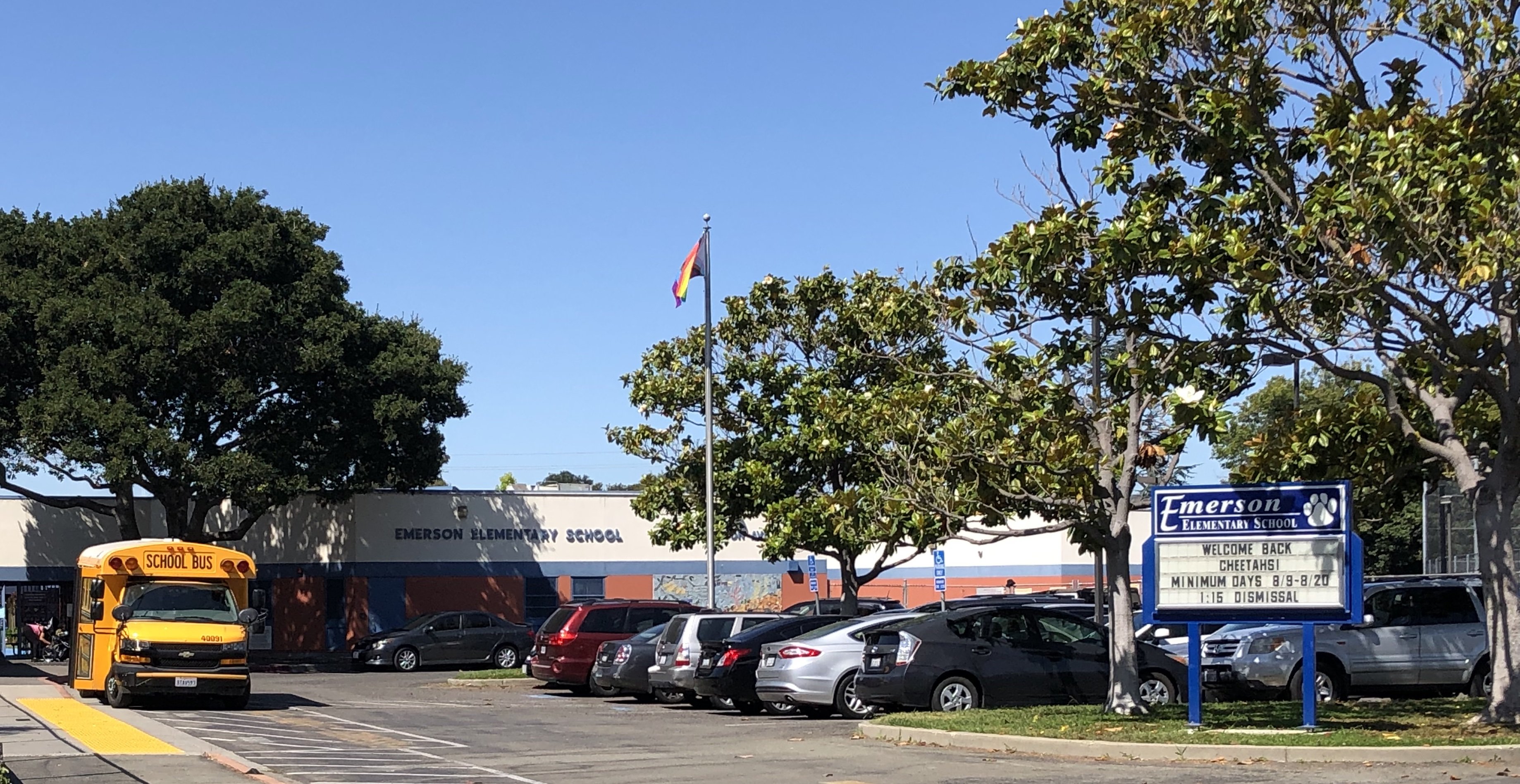
Oakland's Kindergarten Transition Teacher Leader Program pairs kindergarten teachers with pre-K teachers who work together to share information and build support structures that make sure children have successful early school experiences.
(Attendance Works – June 24, 2021) This toolkit offers a framework, tools and resources for engaging students —especially those with high levels of absences— whether their instruction is in-person, remote or hybrid.
(Council of Chief State School Officers – August 27, 2021) A toolkit for state and local educational agencies, Head Start programs, and the early childhood field.

(Connecticut's Official State Website) Increasing awareness of prevention and early intervention by including local early childhood care and education providers in stakeholder engagement prior to development of an LEA improvement plan for elementary schools.
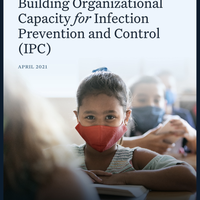
(Covid Collaborative, April 2021) The resources below were published by the Infection Prevention and Control in Schools task force. They include a “Roadmap to Healthy Schools,” a practical guide to school-based infection control, produced by members of the task force; a consensus statement on the latest CDC guidance, issued by leading scientists convened by the task force’s organizers; and a use of funds advisory memo for how states might allocate resources toward infection prevention and control, developed by the task force’s organizers.
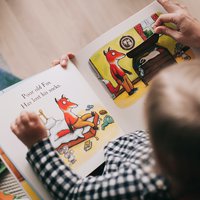
(Education Commission of the States) Key components of a quality experience in K-3 include school readiness and transitions, kindergarten requirements, educator quality, prevention, intervention and assessments, and social and emotional learning and mental health. Education Commission of the States researched the policies and regulations that guide these key components in all 50 states to provide this comprehensive resource.

(Education Commission of the States) This Policy Guide provides an overview of state strategies for streamlining and making successful the transition from pre-K into kindergarten. It draws on examples from nine states and identifies three types of policy options for state policymakers to consider.
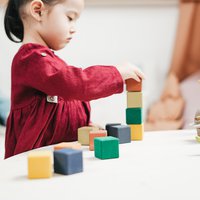
(Education Commission of the States) This special report – focused on early learning and kindergarten – examines effective transition programs and practices, and the importance of alignment across basic pedagogical components.
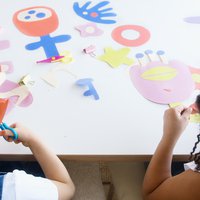
(Education Development Center – April 2019) This study examines First 10 Schools and Communities—coordinated efforts taking place around the country to improve teaching, learning, and care during the first decade of children’s lives.
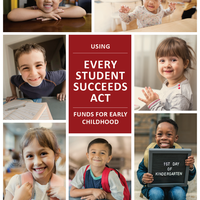
(Education Counsel – June 2021) This guidance is intended to help districts understand some of the options they have to use federal funds provided under multiple sections of the Every Student Succeeds Act (ESSA). Investment in early learning as an effective strategy is supported by research from the science of learning and development that shows that early childhood is a critical time for brain development. The quantity and quality of interactions children have with adults at this stage determines the foundation upon which all other educational experiences will build.
(Early Childhood Learning & Knowledge Center – October 14, 2021) More than 320,000 children and their families transition from Head Start programs to kindergarten every year. When these transitions are successful, children and families are more likely to experience better long-term school success. There are four points of connection that, when strengthened, facilitate effective transitions: Family-School, Child-School, Program-School, and Community-School. Such connections with local schools strengthen when these high-quality practices are implemented: Sharing Information, Building Relationships, and Establishing Alignment.

(National Association for Family Child Care – May 2021) With more than $50 billion in federal relief invested in the child care sector, along with additional resources for states and localities to respond to the pandemic, states have an unprecedented opportunity to create a more equitable, sustainable, comprehensive early care and education system. While investments in the workforce are the most important driver of child care quality and supply, facilities are a key element of creating a high-quality child care experience in centers and family child care homes

(National Institute for Early Education Research – June 4, 2021) This brief provides state leaders and advocates with a deeper understanding of the possible uses of ARP Elementary and Secondary School Emergency Relief (ESSER) funding and new ideas on innovative practices and sound strategies to the address needs of children in preschool and early elementary grades. The brief considers how investments from the 2021 Coronavirus Response and Relief Supplemental Appropriations Act (CRRSA) to state child care and development funds can be aligned and synergetic to strengthen the early care and education system.
(National Institute for Early Education Research – February 24, 2021) To learn about the pandemic’s impacts on young children’s learning and development NIEER developed a parent survey regarding children’s home learning activities and preschool participation during the pandemic.
(School of Education & Human Development, University of Colorado – November 2019) This Framework anchors much of the work conducted by the National P-3 Center. It is designed to address key questions facing those who are developing and implementing comprehensive P-3 approaches in their school, district, or community. The Framework is divided into eight major “buckets” or categories of effort that require alignment within and between 0-5 and K-12. Each bucket includes strategies that have been identified as components of high-quality and comprehensive P-3 approaches. The Framework was originally published in 2013 and was revised and updated in 2019 to include a more intentional focus on equity.

(School of Education & Human Development, University of Colorado – June 2021) This brief provides a review of recent research (2016-2021) on transitions to kindergarten. It focuses on [a] transition practices that children and families may experience directly; and [b] the policy levers that state and local policymakers can enact to support effective transitions to kindergarten.
This brief was prepared for Education Commission of the States as part of technical assistance provided to five states.

(Nevada Department of Education, Education Counsel – Spring 2021) A guide for ensuring equitable, coordinated, and sustainable programming for young children entering elementary school.

(Early Childhood Learning & Knowledge Center – November 13, 2020) In summer 2019, the Office of Head Start (OHS) brought together teams from 13 school districts and local Head Start programs. The teams consisted of superintendents, principals, program directors, educators, other staff, and parents. Their purpose was to address the need for better collaboration between Head Start and K-12 education with a focus on improving the transition to kindergarten (TTK).

(Understood – May 25, 2020) The COVID-19 crisis has caused lots of stress, disruption, and loss for kids and families. Distance learning has had a major impact. While some kids have thrived, others have struggled.
But the pandemic has also created opportunities. Having more flexibility during the day means kids can explore new interests and skills. Here are six ways the pandemic can help kids build strengths.

(University of Oregon) A series of surveys from the University of Oregon about the pandemic's impact on early childhood education.

(Regional Educational Laboratory) This fact sheet highlights promising practices and research-informed strategies that districts and schools, with support from states, can use to successfully and equitably transition young learners to the next school year. It covers strategies applicable in the COVID-19 era and beyond.
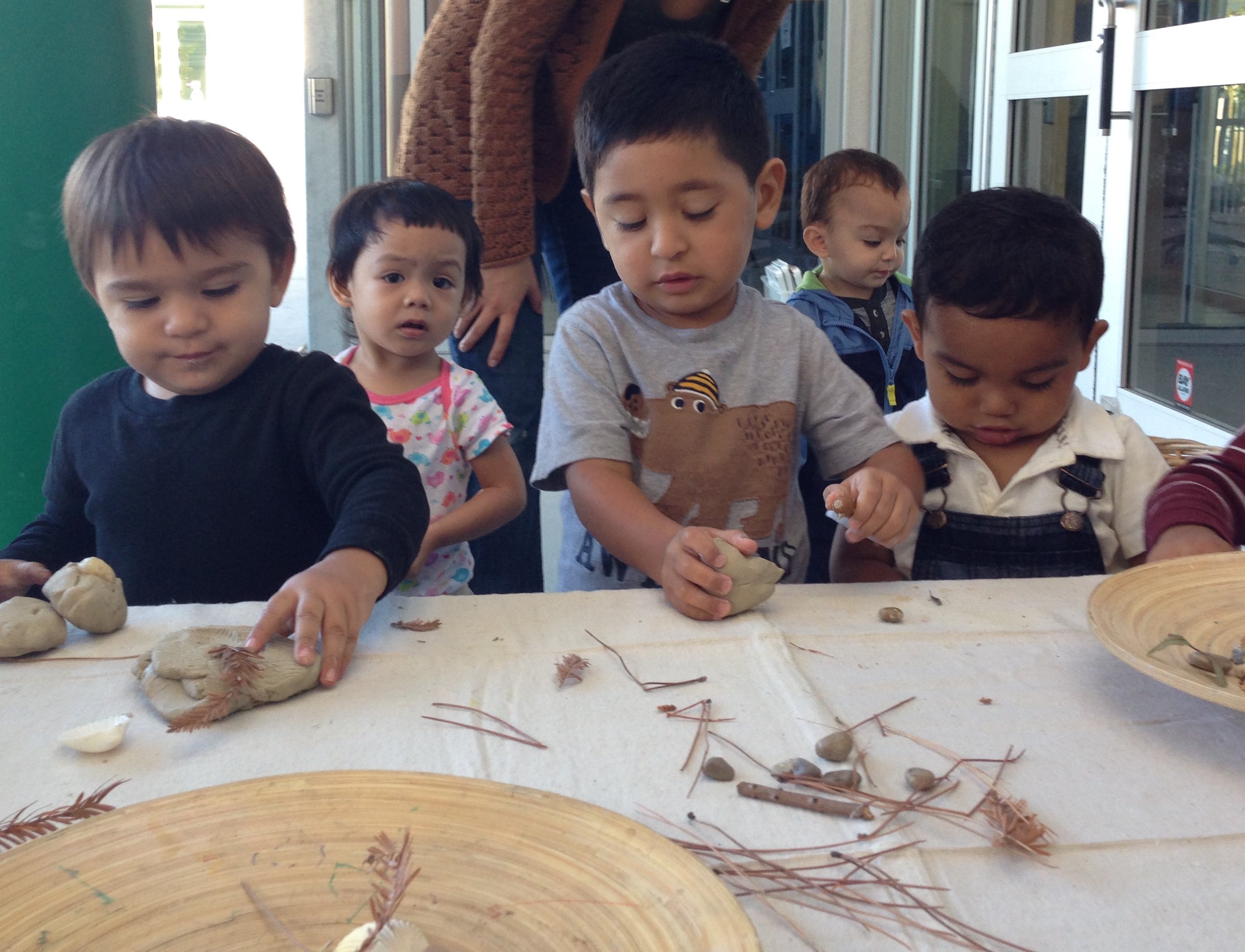
(Phi Delta Kappan) Undoubtedly, young children and their families need activities that engage them early and provide them with information and comfort as they begin the school year. But such activities are not enough. Decision makers must address the systems that support young children’s development and establish conditions that ensure consistent learning environments and experiences across settings and sectors before school, in kindergarten, and beyond.

Communities have a great opportunity to improve children’s success in school by focusing on school readiness and the transition to kindergarten. This opportunity requires that schools and community organizations come together to coordinate programs and services and jointly support children and families.