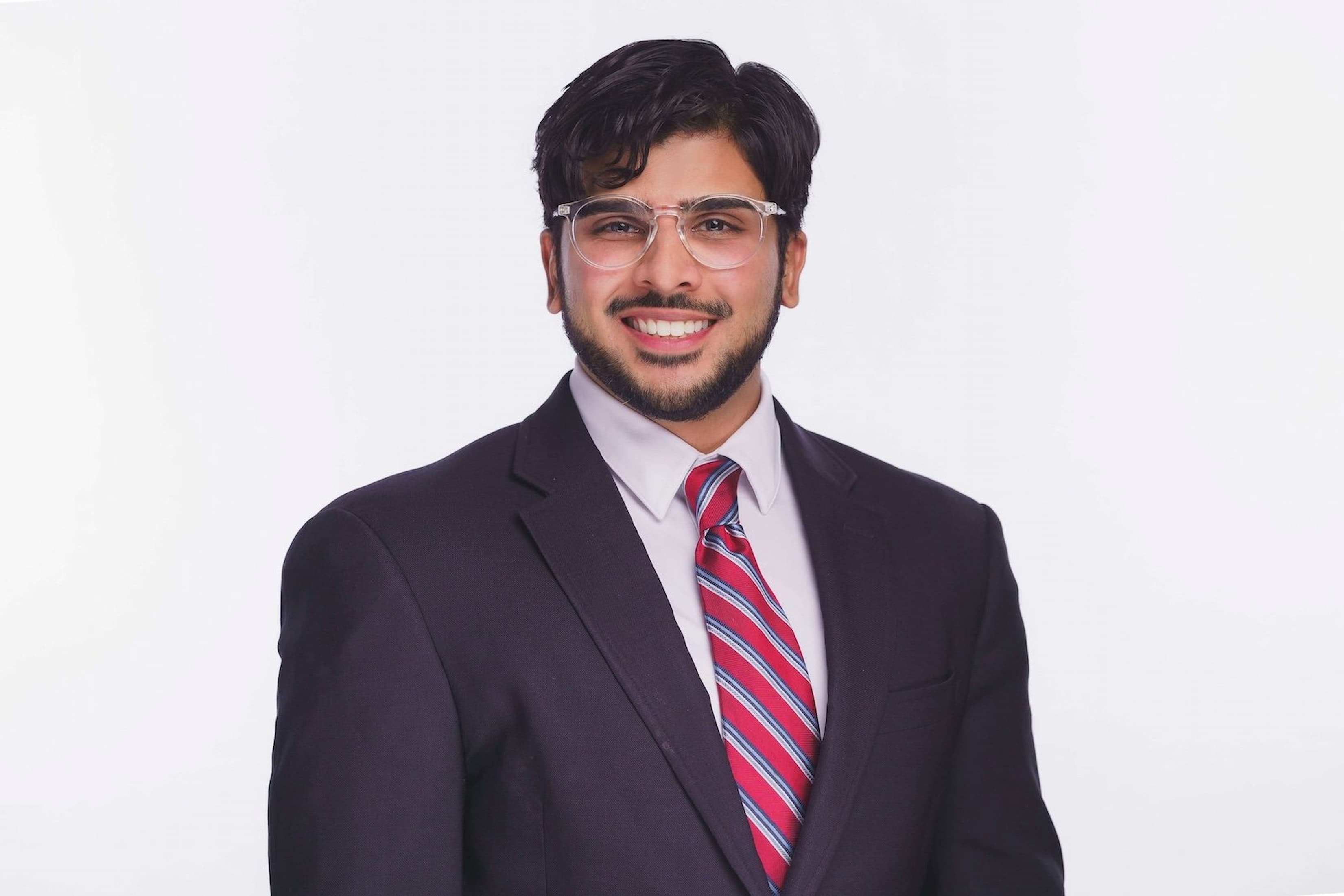
Shalin Jyotishi
Founder & Director, Future of Work & Innovation Economy; Visiting Scholar, Arizona State University
In a recession, community colleges will need quality workforce programs to win back students.

Predictions of a recession are getting louder. If a recession hits, community college leaders should see it as an opportunity to convince students to come back to school. When the pandemic and subsequent recession occurred, many college leaders expected more students to enroll, which is typical during times of economic downturn.
If wages are cut and jobs are less plentiful, students bear a lower opportunity cost and can justify taking the time and money to invest in further education. Unfortunately, the opposite happened following the pandemic, and the enrollment picture hasn’t improved. It’s expected to get worse.
Five consecutive semesters of enrollment decline have plagued community colleges, and would-be students are losing out too. With inflation cutting purchasing power up to eight or nine percent, prospective students are choosing work over college, taking advantage of higher wages brought about by the pandemic-induced tight labor market.
But if a recession hits this year or next, wage increases and the surplus of job opportunities may dry up. We have been studying strategic enrollment strategies community colleges should leverage to attract back students for workforce programs. Below are a few tips for community colleges to enact now to stem enrollment declines in a recession.
In the best-case scenario, the “soft landing” hoped by the Federal Reserve will be achieved, and inflation will be tamed without a recession.
But even in that reality, these proactive tactics will help colleges convince more students to come back and continue advancing their career through further education.
Enjoy what you read? Subscribe to our newsletter to receive updates on what’s new in Education Policy!
Shalin Jyotishi is a Senior Analyst on Education and Labor at New America and a Fellow in AI the World Economic Forum covering higher education, the workforce, tech, and policy. Connect with Shalin on Twitter and LinkedIn. Read his Forbes column.
Founder & Director, Future of Work & Innovation Economy; Visiting Scholar, Arizona State University