Vicki Shabo
Senior Fellow for Gender Equity, Paid Leave & Care Policy and Strategy, Better Life Lab
As federal policy progress to expand workers' access to paid family and medical leave is stalled, continued state innovation in 2025 provides lessons, evidence, and hope.

I have worked on family economic policy for more than 15 years. It's safe to say that in that time, the trajectory of federal progress has never been as backward as it is right now. Access to health care and food security—and even the ability of children and parents to stay together in immigrant communities and among other targeted groups—are at grave risk. Prices for food, housing, health care, and child care are rising. An extended federal government shutdown is causing further harm to the ability of states and cities to provide services and maintain strong local economies, as well as to families who are directly and indirectly affected.
And yet, even before the current cascade of harm, the way that the United States supported working people and families wasn’t enough. We are still one of a handful of countries worldwide that doesn’t guarantee any type of paid leave to private sector workers who are sick or disabled, caring for new children, or caregiving for loved ones, and we continue to leave workers’ ability to take time away from their jobs to the discretion of their employers.
It is (very unfortunately) safe to say that national-level transformational policy change that guarantees people the paid family and medical leave they need is not imminent—though I do still hope and believe it is inevitable at some point in the future because there's been no diminishment in the strong need that people have and the high levels of public support for national paid leave. If anything, the case for care is stronger now than ever before and the policies that provide the support for work, family, and care that people need unify people at a time when division is rampant.
As we work to stem the harm happening now, there's no question that we need to imagine what a United States of the future could look like with respect to policies that support all people and families in seeking and receiving the care they need.
As we imagine a different national vision for care, we can take inspiration from bright spots at the state level. State victories result in more people having access to family and medical leave, generate evidence to support the adoption of these policies elsewhere, and—importantly inspire advocates whose spirits and resolve might otherwise ebb in a very difficult time.
As we head into the final months of this year, here are some of 2025's best innovations from every corner of the country, and in blue, red, and purple states. These include improvements to existing universal, comprehensive state paid family and medical leave programs, updates to unpaid leave, and new, incremental paid leave policies for public employees.

California's paid family leave program was the nation's first, originally passed in 2002, and it serves as an example of how a baseline policy can be improved over time as policymakers, researchers, and advocates collect and evaluate evidence, making adjustments as needed.
One of the most significant improvements in California's law took effect in January 2025, three years after being enacted in 2022. The monetary value of paid leave benefits increased this year from 60 percent of a worker's recent pay to 90 percent for the lowest-paid and about 70 percent for middle-wage earners, bringing California's wage replacement levels more in line with newer state laws, like Washington and Colorado.
Newly available data indicate an improvement in take-up rates of approximately 16 percent over the same period in 2024. California adopted this innovation after evidence demonstrated that the state’s low wage replacement rate was a barrier to families with lower incomes using the paid leave program.
In 2025, California’s legislature passed and the governor signed a new law expanding the family caregiving leave component of the state's paid leave program by adding a "designated person" to the list of loved ones for whom one can provide care. This improvement will take effect in July 2028.
With this update, California joins seven other states in recognizing that ties of affinity between unmarried partners, close friends, and other individuals in close relationships with one another can be just as strong as those of blood.

Colorado became the first state to make additional paid leave available to parents with babies in a neonatal intensive care unit (NICU). Beginning in 2026, Coloradans with a NICU baby can take an additional 12 weeks to be with their child in the NICU without sacrificing their core paid family and medical leave time for recovery and when a baby comes home.
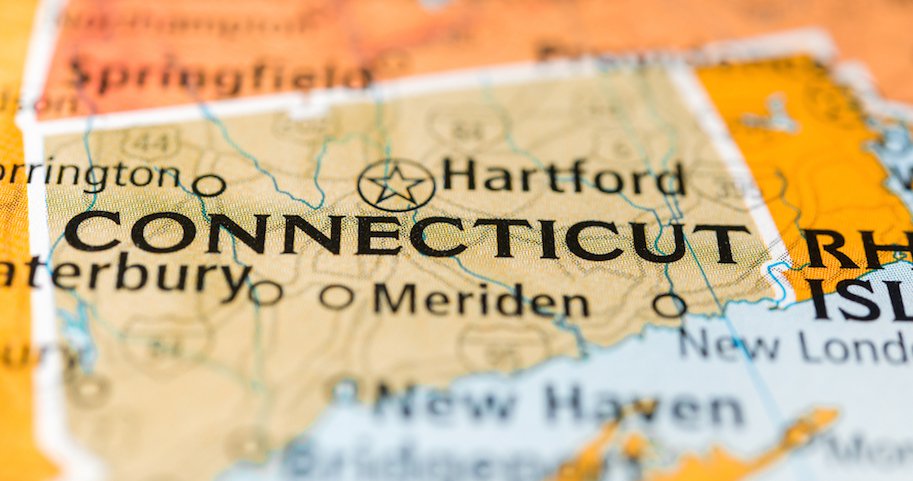
Connecticut's paid family and medical leave program expanded as of October 1, 2025 to include school paraprofessionals and other non-certified employees.
Previously, protections under both the state unpaid leave law and the state paid leave program depended on coverage through collective bargaining agreements and, for unpaid leave, satisfaction of a tenure requirement that is often difficult for part-time and part-year workers to meet. The new law applies to both public and private school employees and expands access to an estimated 30,000 workers in the state.

In January 2025, New York workers became eligible for a prenatal leave benefit, which provides up to 10 days of paid prenatal leave to workers in the private and nonprofit sectors. This new allotment of time is in addition to 12 weeks of paid family and medical leave and is separate from paid family leave insurance policies.
New York joins the District of Columbia in guaranteeing an allotment of time for pregnant people to receive prenatal health care. Prenatal leave is separate from extra time that some states, including Colorado, Connecticut, Oregon, and Washington, provide for pregnancy complications and related pre- and post-partum pregnancy-related health issues.
Rhode Island was the third paid family leave law adopted in the United States. Like California, Rhode Island's law has been expanded several times. The 2025 expansions, to take effect in coming years, continue that trend.
Rhode Island enacted improvements to its wage replacement rate in 2025, to take effect in 2026, when wage replacement rates increase to 70 percent of a worker's typical wages, up from 60 percent, and again in 2027, when wage replacement rates will increase to 75 percent of a worker’s typical wages. These improvements will make benefits in Rhode Island more affordable for workers, though Rhode Island will still lag behind wage replacement rates in other states.
Rhode Island will also offer a longer duration of leave (eight weeks) beginning in 2026, up from seven weeks in 2025, continuing a trend that has resulted in one-week increases in leave over the last several years. When first passed, Rhode Island only provided four weeks of family and parental leave. Even after the 2026 expansion, however, Rhode Island (along with California) will still offer fewer weeks of parental and family caregiving leave than all other states.

More workers in Washington state will be eligible for job protection when they take paid family and medical leave as a result of improvements passed in 2025; previously, job protection only applied to workers in businesses with 50 or more employees and who had been at their current job for 12 months. New job protection guarantees will phase in beginning January 1, 2026 for workers in businesses with 25 or more employees and with job tenure of 180 days (six months); the new rules will apply to employers with 15+ workers beginning January 1, 2027 and to businesses with eight or more workers beginning January 1, 2028.
In addition, Washington amended its law to permit employees to take leave in four-hour rather than eight-hour increments, which allows workers to stretch their available leave time further when only a partial-day absence from work is required.
Illinois – NICU Unpaid Leave: Illinois passed the Family Neonatal Intensive Care Leave Act, which will provide workers in businesses with more than 15 employees with either 10 or 20 days of leave while a child is in the NICU, depending on the size of their employer, beginning June 1, 2026. Job protection alone may not be enough for workers to use this benefit in the same way that they would if partially paid leave were available, but this step helps to shift culture while offering practical help to families who need and can afford unpaid NICU leave.
Vermont – Family Definition, Bereavement Leave, and Safe Leave: Effective July 1, 2025, Vermont expanded workers’ access to unpaid leave in significant ways, including adding to the scope of family members for whom a worker can provide care under the state’s unpaid leave law (to now include a child, parent, grandparent, grandchild, sibling, spouse, civil union or domestic partner for workers in businesses with 15 or more employees), including for short-term needs related to school leave.
The new updates also add miscarriage and foster care to the provisions for parental leave; a new entitlement to bereavement leave of up to 10 days (5 of which may be consecutive); and new provisions regarding safe leave to address circumstances related to domestic violence, sexual assault, or stalking, and military qualifying exigency leave consistent with the federal Family and Medical Leave Act. All forms of leave except family leave are available to employees of employers with 10 or more employees.

In states where a comprehensive, universal paid leave program is not within reach, some states are moving the needle on paid leave by implementing paid leave benefits for their own state or municipal workforces. Providing paid leave for state workers not only means more security for people in state employment but also helps to create a cultural feedback loop where parental leave becomes expected and standard.
Additionally, state and municipal employee paid leave policies have evidentiary value for other stakeholders within the state, the region, and for other states with similar demographic and occupational profiles and similar geographic and community features. Public employee policies can be the subject of research on the value and costs of paid leave in a specific geographic area. Workers who have accessed leave can be helpful validators and storytellers about the impact that paid leave had on themselves and their families. Research can then be used to encourage private sector employers to adopt policies for their own workforces and to show lawmakers the value of a more widely applicable public policy.
In 2025, some of the bright spots for state workers include:
Policymakers on both sides of the aisle have long looked to states as "laboratories of democracy." Paid leave is an example of how governments can help support parents and all workers who strive to both support and care for their loved ones.
Further reading from New America:
Senior Fellow for Gender Equity, Paid Leave & Care Policy and Strategy, Better Life Lab