Lessons from Three California Communities on Strengthening Early Education
Acknowledgments
Thank you to the families, teachers, caregivers, administrators, supporting organizations, and community leaders in Fresno, Oakland, and San Jose for sharing their time and insights with us over these past three and a half years. Thank you to Barbara Ray, Natalie Orenstein, and Kathleen Costanza at HiredPen, and Laura Bornfreund, Lisa Guernsey, Sabrina Detlef, and the rest of the New America Education Policy team for their expert advice and support. Finally, thank you to the David and Lucile Packard Foundation for its generous support of this work.
Downloads
Introduction
With philanthropic support, locales are experimenting with what it takes to reform early learning. They aim to make sure that all community adults have the tools they need to support children’s development.
In the national movement to transform the teaching of our youngest children, California has not been a pioneer. In our 2015 report Not Golden Yet: Building a Stronger Workforce for Young Children in California, we found that the state was not doing enough to prepare early childhood educators to ensure its children are learning and developing important skills for school and life.1
The Learning Policy Institute called the state’s system of early education “fragmented” and "incoherent" in a report released in January.2 Cuts made to California’s preschool and child development programs during the Great Recession were so steep that full funding still has not been restored a decade later.
“I had this novice opinion that California’s funding for early education was more progressive,” said Drew Giles, who came to Oakland public schools from Denver in 2015 to take an early childhood administrator position. “So I thought the early learning workforce would also be well supported. But when I got here, I realized that the systems and structures were just not in place.”
“I had this novice opinion that California’s funding for early education was more progressive … But when I got here, I realized that the systems and structures were just not in place.”
The state does not have universal pre-K. Transitional kindergarten, introduced in 2012, created a new public school grade for some four-year-olds who had previously been served by California’s kindergarten, but only those with fall birthdays are eligible.3 California has dropped to 41st in the nation in per pupil spending for K–12, when adjusted for cost of living.4 Its new funding formula for public education, intended to make funding more equitable, provides a lot of opportunities, but advocates say more resources are needed if the state is to adequately prepare its children—many of whom are low-income, children of color, and dual language learners.5 A new governor (Gov. Jerry Brown reaches the end of his term in December) brings the possibility of more substantial reforms on behalf of young children.
In select locales, however, those who care for young children are not waiting for Sacramento to take action. Rather, some communities and advocates that have been pushing for these changes for decades are conducting experiments in what it takes to reform an early learning system. It will be some time before data are available to show if and in what ways these experiments have impacted the young children living here, but some early signals point to the beginning of systems change. Networks of school leaders, county administrators, teachers, caregivers, librarians, social workers, and those from the foundation community are working together to improve access to and quality of early learning programs for young children. The state’s network of First 5s supports training and education, home visiting and developmental screening programs, and development of the state’s Quality Rating and Improvement System (QRIS). Communities are experimenting with innovative models that blend public and private dollars to make the most of existing resources, and ballot measures this year could bring in new money for early care and education in various counties across the state.6
New America has been following work in three of the communities that, with the support of the Starting Smart and Strong Initiative from the David and Lucile Packard Foundation, are working to provide stronger teaching and caregiving by 2025. (See Box 1 for more on funding for the initiative.) Leaders in Fresno, Oakland, and a school district in San Jose are reforming how early childhood programs work and teachers are trained.
Starting Smart and Strong is a 10-year effort that aims to ensure all children grow up healthy and ready for kindergarten by improving the quality of adult-child interactions across all settings where young children learn and grow. (See Box 2 for more on adult-child interactions.) The Packard Foundation awarded grants of $500,000 each year for the past three years to the Franklin-McKinley School District (FMSD) in San Jose, the Fresno Unified School District (FUSD), and the Oakland Public Education Fund. The support has helped pay for professional development and training for early childhood educators, support for informal care providers (family, friends, and neighbors who are not licensed), developmental screenings, and collaborations between public and private systems to support young children, as well as planning and technical assistance. These three communities have blended this support with school district dollars, as well as with additional public and philanthropic funding streams.
In the state’s Central Valley, national attention Fresno received for its high poverty rates helped galvanize leaders to better align their systems to support children birth through age eight. In Silicon Valley, San Jose’s new Educare is building a “teaching hospital model” as a laboratory for educators of all types who care for young children. In the Bay Area, leaders in Oakland have begun a 10-year equity strategy that aims to create universal access to high-quality early learning experiences from birth for the city’s diverse population.
This report, based on three and a half years of reporting and interviews with 80 people across the three communities, provides a look at the capacity of these communities to engage families, improve teacher practice, collect and use data, and build cultures that support early learning. We also examine challenges they face in implementing these reforms and changing teacher practice. The central challenge all three face is how to scale up reforms so they make a real difference for all the children of these communities and eventually for California as a whole. Leaders say that the impact will come not just when they see good things happening for some children, but when this work results in community-wide improvement on key indicators of child well-being.
Box 1
Funding Stronger Teaching and Caregiving for California’s Youngest
Funding for Starting Smart and Strong comes from the David and Lucile Packard Foundation, which provides $500,000 a year to each community to support professional development and training, early learning department administrative positions, outreach to informal caregivers, and some additional work that varies from district to district. Support is also provided to school districts for technical assistance, evaluation, administration of the Early Development Instrument, and partnerships with groups like the New Teacher Center. After 10 years, foundation support will end, which means communities and school districts need to think about how to sustain the work into the future. Each school district has made financial contributions and has also sought out other philanthropic, community, and government support. In Fresno, partnerships with the housing authority and the Central Valley Children’s Services Network enabled outreach to families living nearby. Oakland has received additional money from the Hellman Foundation to help young boys of color. In San Jose, Franklin-McKinley School District's contributions to fund full-time early learning positions are increasing in small increments each year.
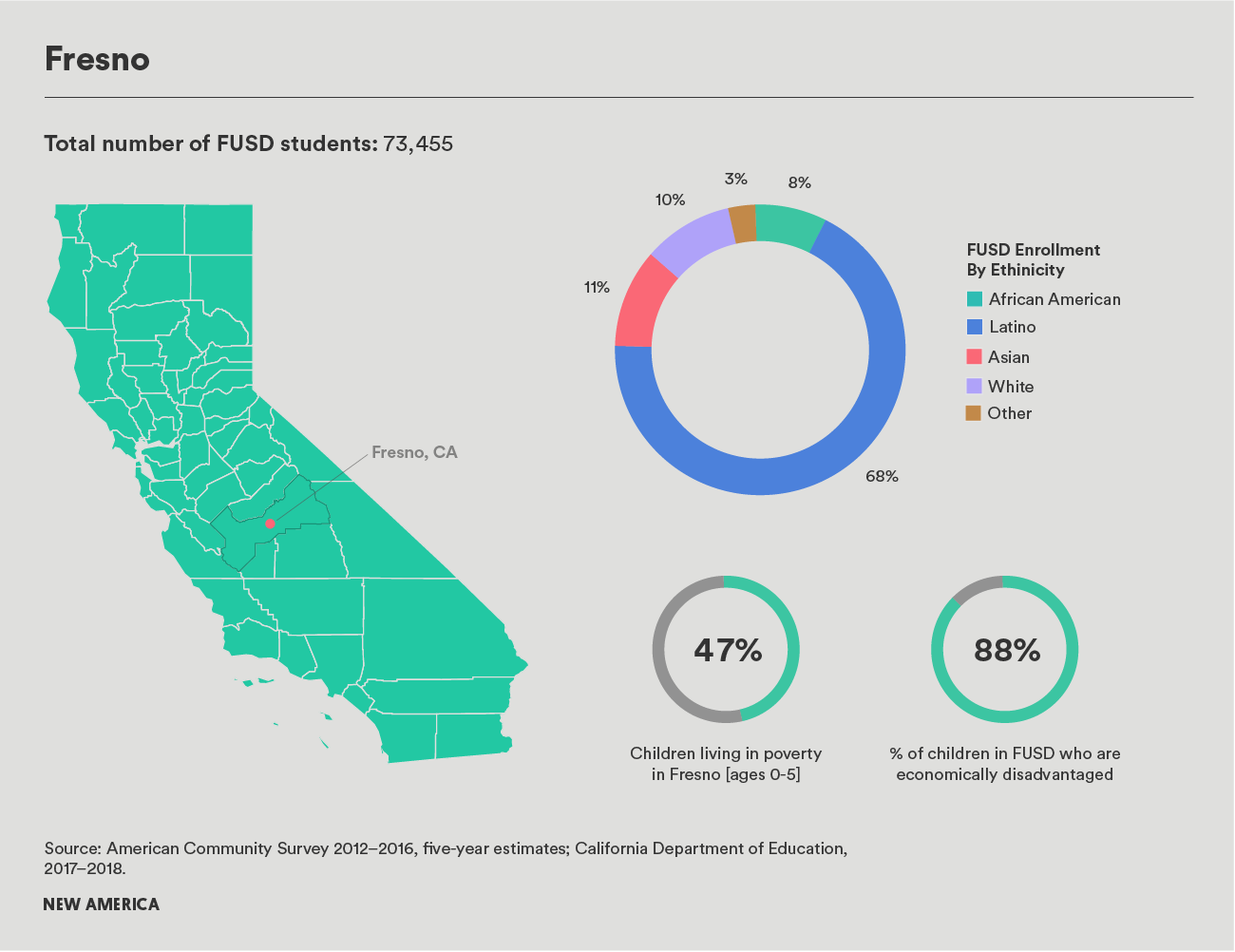
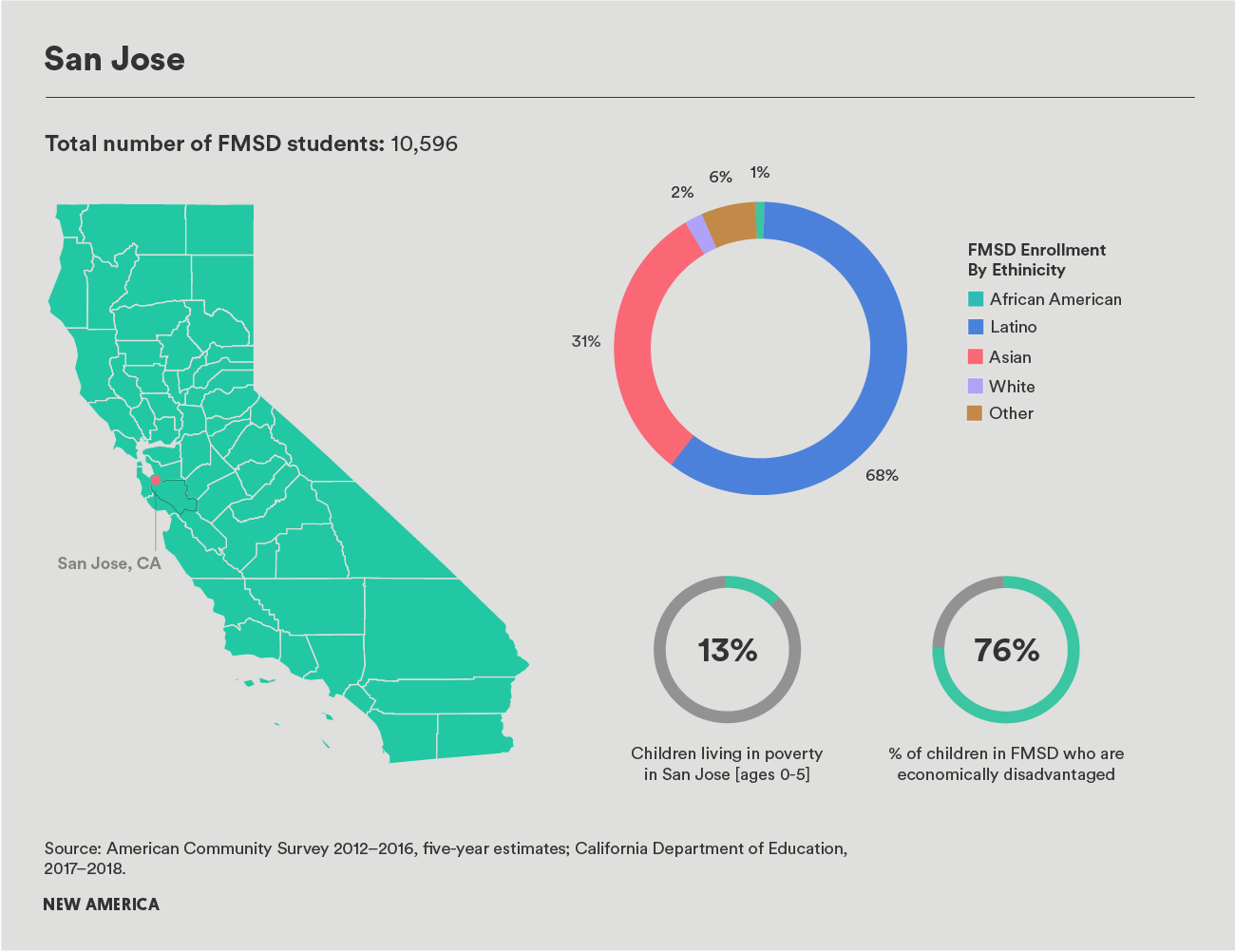
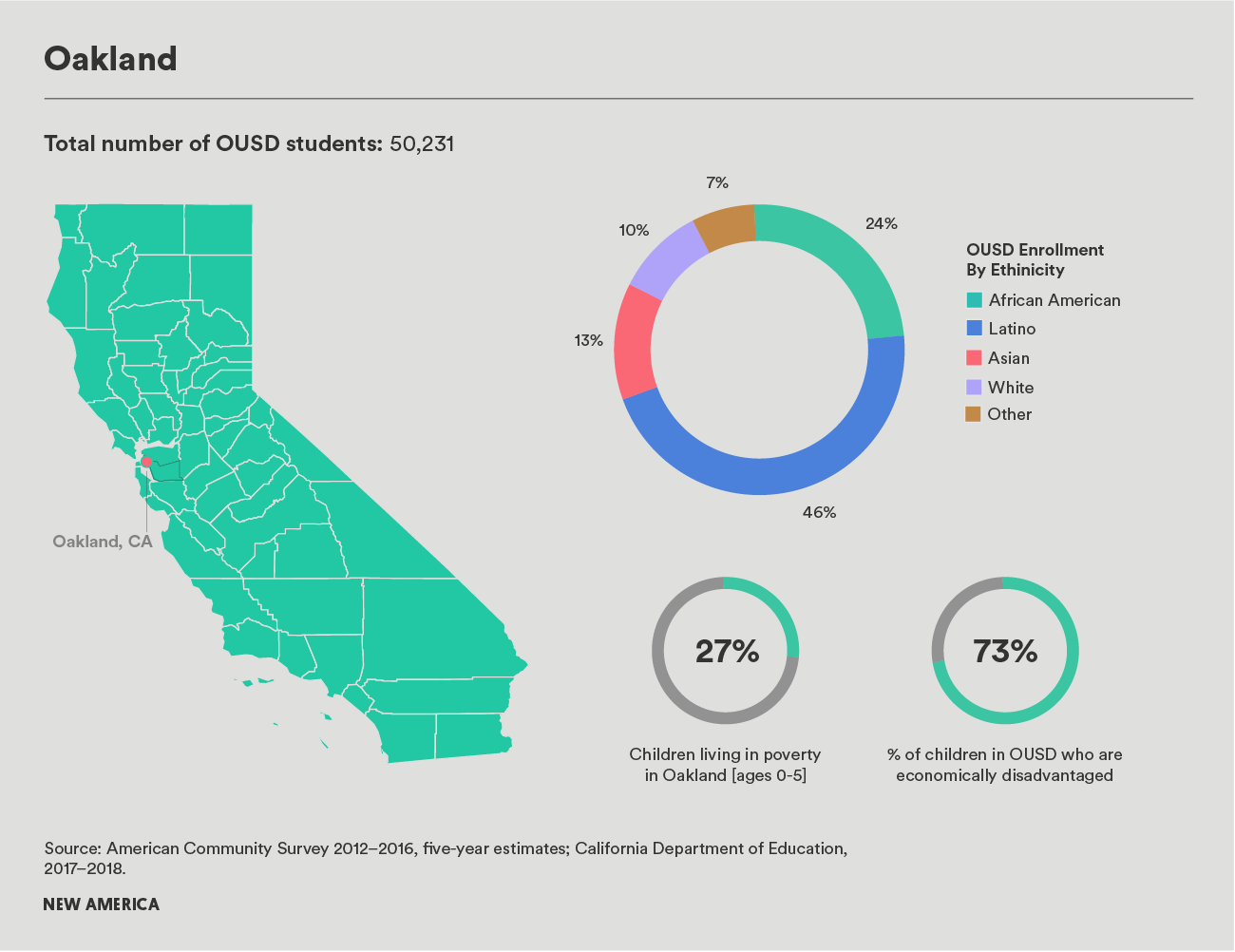
Aiming for Quality in Early Learning: Fresno, Oakland, and San Jose7
Box 2
Adult-Child Interactions
Decades of research have shown that interactions with adults, from birth, provide a crucial foundation for learning as children grow.8 In their book, Powerful Interactions: How to Connect with Children to Extend Their Learning, Amy Laura Dombro, Judy Jablon, and Charlotte Stetson describe a conversation that took place between a caregiver and infant:
Robert asks 6-month-old Baili, “are you ready for me to pick you up so we can change that wet diaper?” He waits for her to look at him and hold out her arms before reaching down. From this conversation, Baili learns about the give and take of communicating with another person. She also learns she can get her “I’m ready now” message across, and that Robert listens to her.9
As the developmental psychologist Lev Vygotsky wrote, relationships affect all aspects of a child’s development: intellectual, social, emotional, physical, behavioral, and moral.10
Yet few children experience high-quality interactions with all the adults in their lives on a regular basis.11 The quality of experiences in infant-toddler settings—child care centers, pre-K programs, early elementary classrooms—is often mixed, at best.12 One study of preschool programs in California found that most did not meet quality indicators linked to long-term school success.13
The communities profiled in this paper are hoping to change that. The Oakland Starting Smart and Strong initiative puts it this way: they want to make sure that all adults in a child’s life—whether formal educators like preschool teachers or informal caregivers like family members—have the tools they need to support that child’s development every day through high-quality adult-child interactions.
For example, consider this interaction: “Teacher, look at my block tower!” a four-year-old shouts across a busy classroom. The lead teacher at an Educare Center does not scold him for yelling. Instead, she goes over, kneels down next to him, and asks, “tell me about what you made,” making eye contact with the child. “I see one, two, three blocks,” she says, counting her way up the tower. “You figured out how to stack them; that was hard to do.” The boy is proud. Through this interaction he learns that his ideas are good, that his effort is valued, and that there is every reason to love coming to school.
As Dombro and colleagues point out, purposeful exchanges like this one, which build on the existing trust between adult and child, can have a powerful effect on learning.
Citations
- Sarah Jackson, Not Golden Yet: Building a Stronger Workforce for Young Children in California (Washington, DC: New America, September 2015), https://www.newamerica.org/education-policy/policy-papers/not-golden-yet/.
- Hanna Melnick, Beth Meloy, Madelyn Gardner, Marjorie Wechsler, and Anna Maier, Building an Early Learning System That Works Next Steps for California (Washington, DC: Learning Policy Institute, January 2018), https://learningpolicyinstitute.org/press-release/uncoordinated-fix-californias-early-learning-system.
- The Kindergarten Readiness Act established a new grade level in public schools across the state—transitional kindergarten (TK) for four-year-olds with fall birthdays. By changing the birthday cut-off from December to September for entering kindergarteners, the law addressed a long-held concern that children were entering kindergarten as four-year-olds unprepared to handle the increasingly academic curriculum. California had always had one of the youngest kindergarten entry dates in the nation. At the same time, it also had one of the most academically rigorous kindergarten curricula in the country, similar to today’s Common Core.
- Jonathan Kaplan, “California’s Support for K–12 Education Is Improving, but Still Lags the Nation,” California Budget & Policy Center fact sheet, January 2017, http://calbudgetcenter.org/resources/californias-support-k-12-education-improving-still-lags-nation/.
- Children Now (website), “School Funding & Equity: LCFF,”https://www.childrennow.org/issue-areas/education/school-finance-reform/.
- On June 5th a number of California counties voted on ballot measures looking to direct additional resources to early care and education. Results were still unofficial at press time, according to Early Edge, a statewide policy organization, as counties were still counting provisional ballots. These unofficial results show that a measure in Alameda County to expand access to and quality of child care and preschool for low-income families and to support the workforce will not pass. A similar measure in San Francisco also did not get the needed majority but is likely to be challenged in court. Preliminary results show that measures in Contra Costa and Yola Counties will pass. Additional ballot measures in other places around the state are being planned for November.
- Data gathered from American Community Survey 2012–2016, five-year estimates; California Department of Education, 2017–2018.
- For more information see Jack P. Shonkoff and Deborah A. Phillips, eds., Neurons to Neighborhoods: The Science of Early Childhood Development (Washington, DC: National Academy Press, 2000); publications from the Center for the Advanced Study of Teaching and Learning at University of Virginia; and publications from the National Association for the Education of Young Children.
- Amy Laura Dombro, Judy R. Jablon, and Charlotte Stetson, Powerful Interactions: How to Connect with Children to Extend Their Learning (Portsmouth, NH: Stenhouse Publishers, 2011).
- L. S. Vygotsky and Robert W. Rieber, The Collected Works of L. S. Vygotsky: Volume 1: Problems of General Psychology, Including the Volume Thinking and Speech (Springer Science & Media, 1987).
- Karen M. LaParo, Bridget K. Hamre, J. Locasale-Crouch, Robert C. Pianta et al., “Quality in Kindergarten Classrooms: Observational Evidence for the Need to Increase Children’s Learning Opportunities in Early Education Classrooms,” Early Education and Development 20 (2009): 657–692; Andrew Mashburn, Robert C. Pianta, Bridget K. Hamre, Jason T. Downer, Oscar Barbarin, Donna Bryant, Margaret Burchinal, Richard Clifford, Diane Early, and Carolee Howes, “Measures of Classroom Quality in Pre-Kindergarten and Children’s Development of Academic, Language and Social Skills,” Child Development 79 (2008): 732–749.
- Sarah Jackson, Not Golden Yet: Building a Stronger Workforce for Young Children in California (Washington, DC: New America, September 2015), https://www.newamerica.org/education-policy/policy-papers/not-golden-yet/; Karen M. La Paro, Bridget K. Hamre, Jennifer Locasale-Crouch, Robert C. Pianta, Donna Bryant, Dianne Early, Richard Clifford, Oscar Barbarin, Carollee Howes, and Margaret Burchinal, “Quality in Kindergarten Classrooms: Observational Evidence for the Need to Increase Children’s Learning Opportunities in Early Education Classrooms,” Early Education & Development 20, no. 4 (2009): 657–92; Andrew J. Mashburn, Robert C. Pianta, Bridget K. Hamre, Jason T. Downer, Oscar A. Barbarin, Donna Bryant, Margaret Burchinal, Diane M. Early, and Carollee Howes, “Measures of Classroom Quality in Prekindergarten and Children’s Development of Academic, Language, and Social Skills,” Child Development 79, no. 3 (2008): 732–49.
- Lynn A. Karoly, Preschool Adequacy and Efficiency in California: Issues, Policy Options, and Recommendations (Santa Monica, CA: RAND Corporation, 2009), https://www.rand.org/pubs/monographs/MG889.html.
Family Engagement
Problem: Adult-child interactions lay the foundation for success in school, yet many parents and caregivers lack the support they need to provide high-quality interactions.
As in many places, historically diverse parent and caregiver communities in California have not seen school districts as resources in the early years of their children’s lives and by and large do not trust a school district as a place to get help. In Oakland, for example, children are likely to begin elementary school with no formal preschool or early learning experience. Fewer than half, or only 43 percent of Oakland kindergarteners arrive at school ready for kindergarten, according to the 2015 Oakland School Readiness Report, which measures such attributes as self-regulation, social expression (skills related to interacting with adults and other children), and kindergarten academics (skills such as writing, counting, and identifying shapes and colors). Similar problems exist in Fresno and San Jose.
Eighty percent of children in California ages birth to two, and approximately 40 percent of children ages birth to five, are cared for by unlicensed or license-exempt family, friends, and neighbors, or informal caregivers.14 There are generally few opportunities for these caregivers to connect with their local schools. Registering a child for public preschool—and many low-income families are eligible for the California State Preschool Program—for example, may require several buses to get to the district’s main office. Providers report that many parents and families still see school districts as bureaucratic monoliths and that many families, especially those from immigrant communities, are hesitant to send their children to public programs or preschool. Child care in these communities is traditionally provided within families, so parents feel more comfortable leaving children with a relative than at an unfamiliar public school or center.15 Families may also not be aware of what preschool options or other services for young children are available to them.
Solution: School districts are working with community organizations and child care centers to provide support and training to parents and informal providers and get families ready for kindergarten.
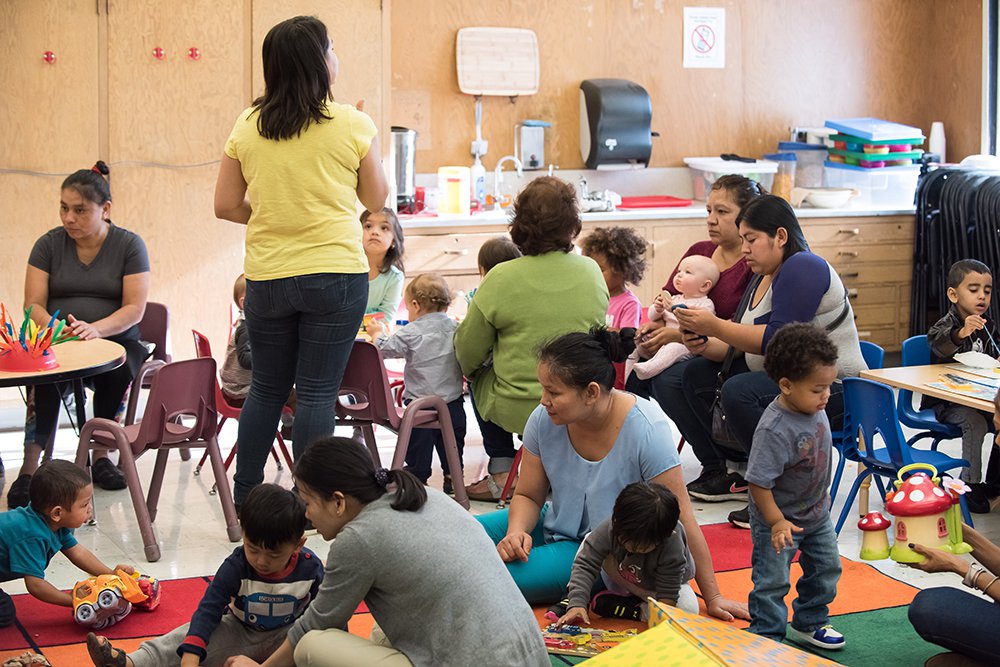
In Fresno, the Helm Home Play & Learn Center, located inside a public housing building, is a partnership between Fresno Unified School District and the Fresno Housing Authority. This is one of several partnerships the school district has been part of in recent years with the goal of including children from birth to five and strengthening adult-child interactions. The center hosts a book and toy lending library and informational workshops for parents and informal caregivers. It also holds play and learn groups designed to support the parents and family, friends, and neighbors who care for young children and provide opportunities for high-quality adult-child interactions and playful learning.
Jose Zalapa Negrete, the program coordinator at Helm Home, said he finds many caregivers who come to the center are unaware that learning begins at birth and that children learn through play. “I have been hearing ‘why do we need to play with a kid? They are little they don’t understand. An infant. A toddler. A two-year-old. When they get to preschool and kindergarten they will learn,’” Zalapa Negrete told Valley Public Radio News, “and that is just not the case.” The Play & Learn Center has worked with almost 100 parents and their children since it opened in November 2016.
“I have been hearing ‘why do we need to play with a kid? They are little they don’t understand. An infant. A toddler. A two-year-old. When they get to preschool and kindergarten they will learn.’ And that is just not the case.”
School district leaders say that collaborations with community entities like the housing authority can help them expand their reach and better align their systems to support children birth through age eight. Fresno Unified is working to expand the model to provide community play and learn centers in public school buildings.
In San Jose, Educare California at Silicon Valley, which is located on the campus of Santee Elementary School, is working to build the capacity of expectant parents and parents/caregivers of children ages birth to three to support their development. The program will use curriculum supported by Abriendo Puertas, a training program developed by and for Latino parents. Educare also hosts a family resource center, supported by First 5 Santa Clara County, where parents and caregivers can access developmental screenings, referrals for medical, vision, and dental care, and parent education workshops and trainings. The center combines federal, state, and local public funding, as well as significant philanthropic and local business investment, to fund these programs.
In Oakland, the school district is experimenting with partnerships with those who care for children before they enter school to improve kindergarten readiness. Lotus Bloom, a family resource center that operates playgroups, is working with the city to expand opportunities to engage and teach parents and informal caregivers. The playgroups, some of which are in partnership with local elementary schools, provide a welcoming space for low-income families with young children to play and learn.
The Lotus Bloom model emphasizes the importance of building programs in the neighborhoods and places where informal caregivers gather. The organization also provides workshops and support for parents and caregivers, and links to social services and developmental screenings. Their work aims to help build resilience, strengthen social connections, bolster knowledge of parenting and child development, and build children’s socialization skills and emotional competence.
Challenges
An ongoing challenge, however, is how to expand these initiatives to serve more children and families. Programs like Lotus Bloom are only in a handful of elementary schools. Oakland’s Starting Smart and Strong Family Resource Committee is developing a framework for resource centers that provide multiple services in one location and would extend those available at Lotus Bloom to more families across the city.
Box 3
Oakland’s Starting Smart and Strong Task Force
Oakland Unified School District was approached by the Packard Foundation to be the lead on Starting Smart and Strong. But under the leadership of Curtiss Sarikey, the district decided to place the money in its philanthropic arm, the Oakland Public Education Fund, to signal that this was a community-wide effort. Along with community partners, Sarikey created a collaborative structure where leadership is shared between school district officials and those from local community-based nonprofits, local philanthropy, and government. It was important to the district to establish a structure “where there was shared decision-making, shared goal-setting, kind of shared responsibility for outcomes and successes,” Sarikey, now chief of staff to the OUSD superintendent, said. Today, the Oakland Starting Smart and Strong Task Force meets monthly to share resources, make decisions, develop and test solutions, and work toward lasting change. The inclusive structure, leaders say, has been a key part of the initiative’s success so far. “Our goal,” Sarikey said, “is to make sure we’re creating a real system and not just trying to improve one slice of the system.”
Schools are in many ways ideal places for family resource centers or hubs for engagement of young children, but in Oakland, as in many places in California, budgets are a significant barrier to scaling up models like this one. A recent budget crisis and fiscal mismanagement have exacerbated already tight spending in Oakland’s school district. Many districts do not have nurses, social workers, librarians, or other staff members who could be pulled in to help run programs like these, which are not considered essential to K–12 academics. Running family resource centers under these conditions is challenging. Principals who do bring in support programming for parents of young children must be very resourceful. Investments will need to be much larger to support these programs if they are to be scaled up.
Districts are also struggling with how to identify and reach out to families with young children, who traditionally have not fallen within their purview until they turn five years old. In San Jose, the Franklin-McKinley School District embarked on a door knocking project, in collaboration with Catholic Charities, to identify families with young children and learn more about their needs. An evaluation firm worked with Franklin-McKinley to conduct focus groups with some of these families and found that trust was a big issue for families from the Spanish- and Vietnamese-speaking communities. Representatives from both groups expressed concern about leaving their children with non-family caregivers.
Citations
- Informal Child Care in California: Current Arrangements and Future Needs (Los Altos, CA: David and Lucile Packard Foundation, 2015), https://www.packard.org/wp-content/uploads/2015/06/INFORMAL-CHILD-CARE-IN-CALIFORNIA1.pdf.
- This was one of the findings from focus groups Harder + Co Community Research conducted with families in San Jose. Harder + Co Community Research, “Key Findings from S3I Parent Focus Groups,” September 8, 2016.
Teacher Practice
Problem: Teachers do not always have the knowledge and skills they need to do their jobs well.
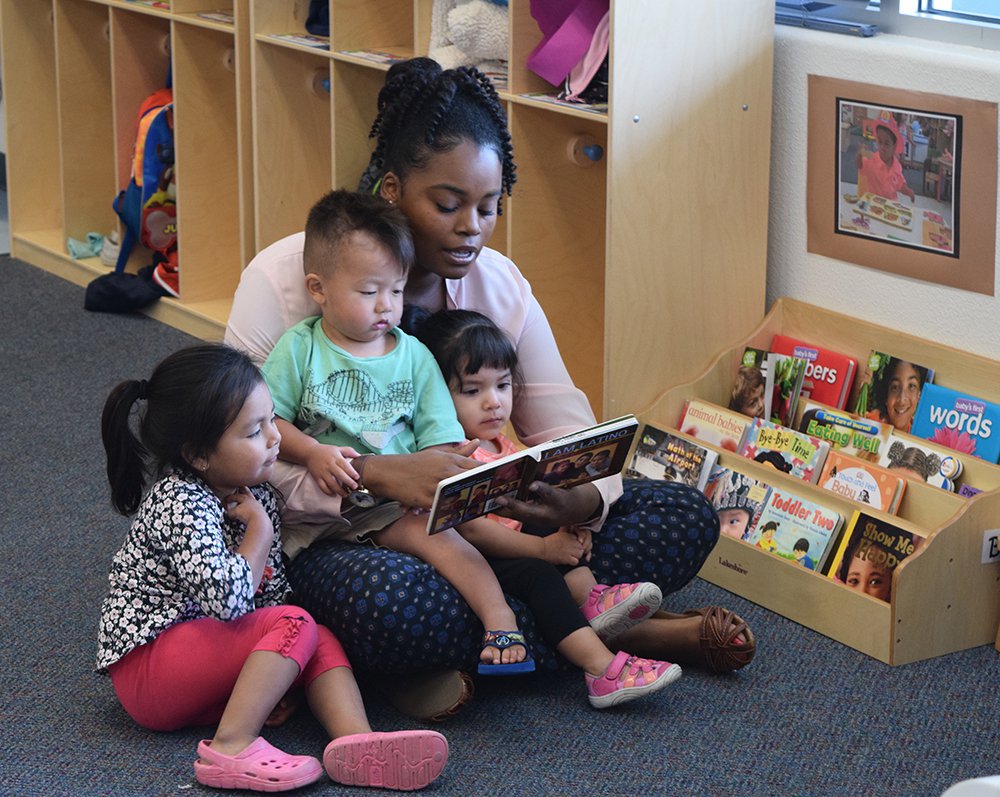
Evidence shows that to effectively work with young children, educators need a strong understanding of child development and early learning; this helps them build the relationships needed to engage children in rich interactions and to provide appropriate learning activities.16 When providers and teachers are trained in the science of child development and the specialized knowledge and competencies needed to teach young children, they help ensure that children reach their full potential.
But research from the Center for the Study of Child Care Employment shows teachers do not always get these skills in their preparation programs, and the qualification levels of early childhood teachers in California vary greatly depending on the setting.17 Research also shows that there is wide variability in the quantity, quality, and type of professional learning opportunities for those working with children from birth through age eight.18
Teachers need in-service professional learning opportunities to develop their practice. This is especially true in California, where, according to Children Now, nearly half of all children are growing up poor or low-income, and 21 percent of students are dual language learners, with 83 percent of them native Spanish speakers.19 Teachers of young children in California need training in how to support students living in poverty and dual language learners.
Evidence shows that to effectively work with young children, educators need a strong understanding of child development and early learning.
Solution: Some school districts in the state are working to provide high-quality, ongoing, targeted professional development, often paired with coaching.
The seminal National Academies Press report of 2015, Transforming the Workforce for Children from Birth Through Age 8: A Unifying Foundation, found that effective professional learning often includes collaboration through professional learning communities (PLCs), one-on-one coaching, and a “continuous improvement mindset.”20 In a recent policy paper on professional development in pre-K, New America found that programs like these can improve the quality of adult-child interactions in all settings where young children are spending time and set children up for success in school.21
In the Fresno Unified School District, Head Start, Early Head Start, the Fresno County Superintendent of Schools, and the Central Valley Children’s Services Network have come together in the Fresno Language Project to improve instruction for young dual language learners. Teachers, home care providers, and administrators from the project meet in a series of collaborative professional development sessions on Saturday mornings. The sessions focus on language instruction, based partly on work by Linda Espinosa, author of Getting It RIGHT for Young Children from Diverse Backgrounds, who advocates strategies to promote oral language development in the classroom and through connection with families. Her approach includes a focus on the value of and support for the home language, getting to know the child and family, and strategies teachers can use to support linguistic growth, such as selecting picture books, rhymes, and chants to foster vocabulary and concept development.
This issue is relevant not only in Fresno, where children speak upwards of 50 different languages and 34 percent of kindergarteners are dual language learners, but increasingly in all of the school districts in California.22 As the former superintendent of Fresno Unified, Michael Hanson, told us: “Fresno is the microcosm for what the rest of California is going to look like 10 or 20 years down the line.” Recent data from the Migration Policy Institute show 60 percent of California’s children from birth to age eight are dual language learners.23
Over time the Fresno Language Project has grown. The school district now employs a full-time coach who works exclusively with project participants. She focuses on building trusting relationships with providers and helping them strengthen teacher-child interactions and classroom practice. This school year, 51 teachers and teaching assistants participated in the program, along with a group of leaders, which include early learning site supervisors, directors, coaches, and department heads.
The cross-sector nature of the work—training family child care providers alongside preschool teachers in the school district, for example—aims to spread these practices to all the adults in Fresno who work with children under age five.
Chris Sciarrino, who works for the Early Learning Lab and helped design and support the training in Fresno, said that too often early childhood work is done in silos—the school district working separately from Head Start, which is working separately from the resource and referral network. This particular effort worked differently, she said, since “the people behind this project have a great belief that all of the children of Fresno belong to all of us.”
This work is part of larger reform efforts in Fresno to improve early learning systems within the school district and in the community at large. When money came in from Proposition 30, a 2012 ballot measure that increased funding for public education, Fresno Unified School District started shifting resources to the younger ages. The district invested an initial $7.4 million in early learning in 2011 and has been making significant investments since that time. Today it is combining multiple public funding streams with philanthropic support to serve more children and also improve the quality of the programs offered.
In addition to supporting several birth through kindergarten coaching positions, including one for the Language Project, district funds are also used to support licensing monitors in health and safety as well as release time so teachers can attend professional development activities. Early Learning Executive Officer Deanna Mathies said that her department is working to increase its collaboration with other departments within Fresno Unified, which enables the use of new funds that have traditionally not been available to early learning. Her department is collaborating with the Department of Prevention and Intervention, Special Education, Multilingual Services, and English Learner Services, for example, to better support students, especially those who have challenging classroom behaviors, who come from environments with trauma and stressors, and who need extra help.
The leaders describe the work of the Fresno Language Project as having a “ripple effect.” Starting the reforms in a concrete way to address a common need (better support for dual language learners) has led to an increased ability to scale up effective systems reform in early childhood in this city, they say.
It is too early to understand the effects of all of this work on the children of Fresno or even how exactly this is changing teacher practice, but the district is working with an evaluation firm to track progress and to measure the impact of professional development in the classroom and, ultimately, on student development.
Starting the reforms in a concrete way to address a common need has led to an increased ability to scale up effective systems reform in early childhood in this city.
Surveys show that teachers who have participated in the Fresno Language Project feel an increased comfort level in using the strategies they have learned to support language development across all settings, from one-on-one time, to outdoor play, to math and science activities. They also say they are more comfortable supporting dual language children and encouraging parents/guardians to play music or sing songs, involve children in household chores, play games, create art, and build something to support their children’s learning, health, and development.
Additionally, participants in the project report in interviews that they have built relationships that can deepen work in other areas, like efforts to improve developmental screening, for example. All of this work has helped build community leadership for the children of Fresno, both inside and outside of the school district, by formalizing shared decision-making structures and building trust, all of which leaders say will lead to larger-scale reforms.
Franklin-McKinley School District’s professional development model, the Early Learning Social Emotional Engagement Project, includes sessions during the school day that focus on helping teachers explicitly teach social-emotional skills to their students. The sessions are followed up by ongoing professional learning communities (PLCs) and coaching. The model trains district preschool, transitional kindergarten teachers, some kindergarten teachers, and paraprofessionals alongside Head Start teachers.
As we wrote in Extracting Success, a key feature of this professional development is what the district calls “voice and choice.”24 Training must have buy-in from and be led by the teachers themselves, and it must be embedded in their jobs or the efforts will not be successful, say leaders in the district. Teachers can choose whether they want to participate in follow-up coaching, for example, and they can choose what they want to focus on in their PLCs. Some teachers may choose a PLC that focuses on how to pair social-emotional learning strategies with mathematics. Other teachers might focus on literacy or family engagement. The district also runs a teacher-leader program, which enables those who have become proficient in new models of teaching to attend national conferences on early learning and to help train and assess others in the district, building the capacity of the district’s expert teaching force over time. Early results show that after participating in the program, teachers are more likely to teach social skills, emotional competencies, and problem solving in their classrooms.25
Training must have buy-in from and be led by the teachers themselves, and it must be embedded in their jobs or the efforts will not be successful.
Costs of running this professional development work include coaching staff, a shared cost between the district and the Packard Foundation in collaboration with the New Teacher Center; organizing and training programs for informal caregivers through Catholic Charities; and money to run the professional development itself (outside facilitators, teacher release time, materials, and incentives).
Melinda Waller, the district’s director of Early Learning—a position created with support from the Packard Foundation—oversees the professional development work. Waller emphasized the need to build in costs for administrative and support staff members who play a key role in getting these initiatives off the ground and coordinating with other departments and partners.
After hearing from local teachers about the need to support young children with challenging behavior, Oakland’s Starting Smart and Strong developed a pilot project for preschool teachers to learn about trauma-informed classroom practices. The project was a partnership between Oakland Unified and the City of Oakland Head Start, the two largest early childhood providers in the city. Child poverty in the Bay Area has grown notably since the Great Recession, which means more children are experiencing stressors associated with insecure housing, hunger, and exposure to violence.26 The goal of the program is to strengthen the ability of educators to both understand the traumatic experiences of the young children in their care and better support affected children.
The group training sessions and follow-up coaching focus on trauma-informed practice, the emotional development of children experiencing trauma, trauma-informed healing environments, and support for families. The sessions also build awareness in adults about their own experiences with trauma and identify self-care strategies they can use to support themselves so as to better nurture the children in their care. Participants can also participate in follow-up professional learning communities.
The goal of the program is to strengthen the ability of educators to both understand the traumatic experiences of the young children in their care and better support affected children.
This work was part of efforts to strengthen the quality of teaching practices for those working with young children in Oakland. Oakland Unified used government dollars and support from the Packard Foundation, the Kenneth Rainin Foundation, and First 5 to build out its administrative infrastructure in early childhood and to strengthen oversight and program quality, adding a new deputy chief of Early Learning position in 2015 and more recently a director of Quality Enhancement and Professional Development. In addition to the trauma-informed training described above, the school district brings in experts to work with preschool teachers on topics such as language development and social-emotional learning. It also holds evening and weekend workshops on topics like language development for early childhood educators who need professional development hours to maintain their state certification.
All three communities have partnerships with the New Teacher Center, a national nonprofit, to support teachers and administrators in improving the quality of instruction. The organization’s work differs from community to community, but overall it provides coaching, teacher development and leadership programs, and professional development, all with the goal of strengthening teacher capacity and, in turn, local systems of early learning.
Challenges
As with the family engagement programs, structural challenges can make it difficult for teachers and caregivers to improve their practice, and for school districts to scale up these programs. For teachers, for example, high staff turnover, lack of time, and tight budgets all threaten the success of programs like these.
Early childhood programs within school districts in California have been underfunded for many years. Dollars allocated to school districts as providers in the California State Preschool Program, which serves low-income children, are not enough to run a quality program. Districts must supplement those dollars in order to expand and strengthen programs, and if they are not able to do that, early learning departments must operate on bare bones, sometimes without any money at all for professional development or basic classroom supplies. In Oakland, preschool teachers report having to fundraise for basics like glue and paint.
Districts must supplement those dollars in order to expand and strengthen programs, and if they are not able to do that, early learning departments must operate on bare bones.
Within school district bureaucracies new early learning dollars that come in from state programs or philanthropy are often vulnerable to reallocation. Program administrators in both Oakland and Franklin-McKinley describe pressure to make sure money allocated for early learning quality improvement and professional development is not used elsewhere. Oakland Unified’s Early Childhood Education department now uses a nonprofit fiscal sponsor to manage some of the dollars it does receive from the state in order to help them stretch further and to prevent the money from being swallowed up into district general funds, something that has happened in the past.
In California’s high-cost counties, early childhood teachers are sometimes working two jobs to make ends meet, which makes participating in training programs outside of usual work hours problematic, as can the lack of paid preparation time.
“What teachers need the most,” said Ana Moreno, associate program director for the New Teacher Center, “is time. Time to collaborate, time to reflect.” Moreno also said teachers need a basic level of professional support if they are to improve their practice. “We can’t quite get to instruction until they have substitute coverage and ratio coverage and adequate supplies.”
Drew Giles, Oakland’s outgoing director of quality, enhancement and professional development for early learning, said he was initially shocked to learn that his position did not come with a budget. “It’s what made my very first year so hard,” he said. “I was expected to do these magical professional development experiences and I didn’t have a budget for it.”
New dollars from the state and philanthropy enabled him to provide teachers with money for classroom supplies and eventually to begin to strengthen professional development programs. He also got creative about raising in-kind support for the work. “You become really smart. You build relationships with local people who are going to give you a deal,” he said. “You work with people who are from the community and want to see it succeed and thrive. They give you a discounted rate and free venues, so your teachers have professional places to gather. We used to have to provide extended time for teachers to go out and get their own lunch. We didn’t have a budget to pay for lunch. Now, we are able to provide them with refreshments and the materials. They feel much more valued.”
“I was expected to do these magical professional development experiences and I didn’t have a budget for it.”
Citations
- LaRue Allen and Bridget B. Kelly, eds., Transforming the Workforce for Children Birth Through Age 8: A Unifying Foundation (Washington, DC: National Academies Press, 2015), 398, http://www.nap.edu/catalog/19401/ transforming-theworkforce-for-children-birth-throughage-8-a.
- Lea J. E. Austin, Marcy Whitebook, Fran Kipnis, Laura Sakai, Ferheen Abbasi, and Felippa Amanta, Teaching the Teachers of Our Youngest Children: The State of Early Childhood Higher Education in California (Berkeley, CA: Center for the Study of Child Care Employment, October 2015), http://cscce.berkeley.edu/files/2015/California-HEI-Narrative-Report.pdf; Marcy Whitebook and Lea J. E. Austin, Early Childhood Higher Education: Taking Stock Across the States (Berkeley, CA: Center for the Study of Child Care Employment, 2015), http://cscce.berkeley.edu/files/2016/Cross-state-Brief-Final.pdf.
- LaRue Allen and Bridget B. Kelly, eds., Transforming the Workforce for Children Birth Through Age 8: A Unifying Foundation (Washington, DC: National Academies Press, 2015), 398, http://www.nap.edu/catalog/19401/ transforming-theworkforce-for-children-birth-throughage-8-a.
- 2018 California Children’s Report Card (Oakland, CA: Ch1ldren Now, 2018), https://www.childrennow.org/reports-research/2018cachildrensreportcard/; California Department of Education (website), “Facts About English Learners in California—CalEdFacts,” https://www.cde.ca.gov/ds/sd/cb/cefelfacts.asp.
- LaRue Allen and Bridget B. Kelly, eds., Transforming the Workforce for Children Birth Through Age 8: A Unifying Foundation (Washington, DC: National Academies Press, 2015), 398, http://www.nap.edu/catalog/19401/ transforming-theworkforce-for-children-birth-throughage-8-a.
- Abbie Lieberman, Shayna Cook, and Sarah Jackson, Extracting Success in Pre-K Teaching: Approaches to Effective Professional Learning Across Five States (Washington, DC: New America, April 2018), https://www.newamerica.org/education-policy/reports/extracting-success-pre-k-teaching/introduction.
- “California Communities Aiming for Quality in Early Learning. Focus: Fresno,” New America, March 2016,https://static.newamerica.org/attachments/12790-stronger-teaching-and-caregiving-for-californias-youngest/Fresno%203.14-2.c798a9d523cb4cf08cdd7e8cf996e8a1.pdf.
- Maki Park, Anna O’Toole, and Caitlin Katsiaficas, Dual Language Learners: A Demographic and Policy Profile for California (Washington, DC: Migration Policy Institute, October 2017), https://www.migrationpolicy.org/research/dual-language-learners-national-demographic-and-policy-profile.
- Abbie Lieberman, Shayna Cook, and Sarah Jackson, Extracting Success in Pre-K Teaching: Approaches to Effective Professional Learning Across Five States (Washington, DC: New America, April 2018), https://www.newamerica.org/education-policy/reports/extracting-success-pre-k-teaching/introduction.
- Analysis of the TPOT by the New Teacher Center, Early Learning Lab, and Franklin-McKinley School District.
- Public Policy Institute of California (website), “High Rates of Child Poverty Found Even in State’s Most Prosperous Regions,” February 22, 2017,http://www.ppic.org/press-release/high-rates-of-child-poverty-found-even-in-states-most-prosperous-regions/;Poverty in the San Francisco Bay Area (San Jose, CA: Silicon Valley Institute for Regional Studies, March 2015), https://jointventure.org/images/stories/pdf/poverty-brief-2015-03.pdf.
Data Collection and Use
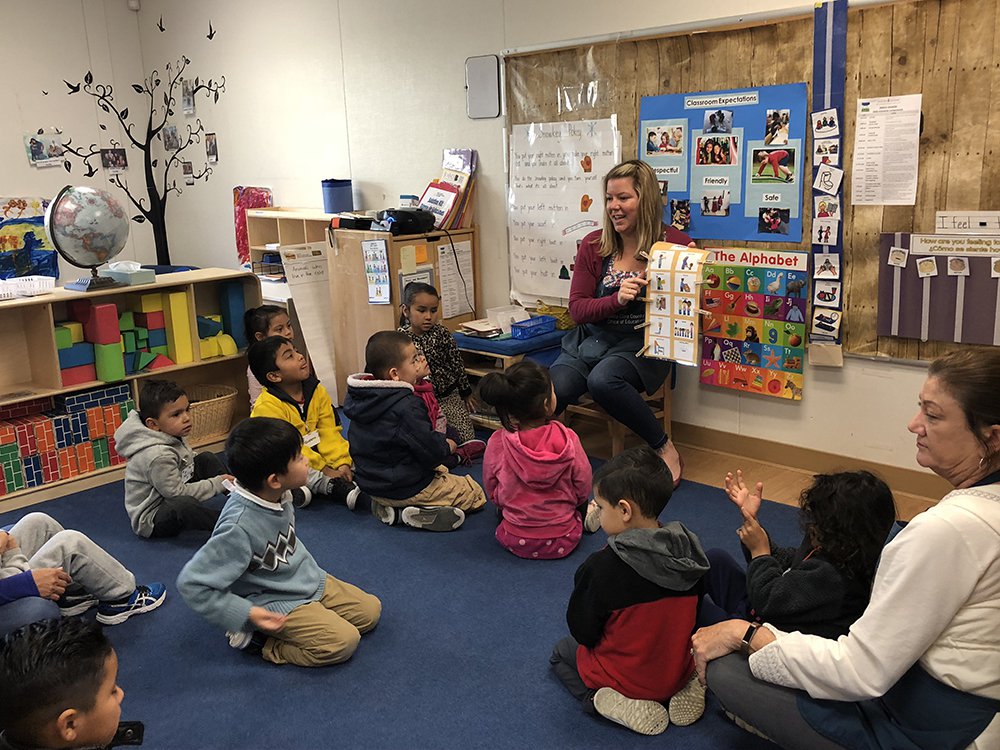
Problem: For most early childhood teachers, "data" is not a friendly word. If they have any experience at all with data collection and analysis, it is usually negative—tedious evaluations of students, or data that are often used as what some call “accountability sticks” to evaluate teaching practice.
But as efforts focus on improving the quality of early learning programs and strengthening the quality of adult-child interactions, community leaders need to know how and whether their programs are working, and how kids’ learning and developmental needs are changing. What is more, data can also help to make the case for scaling up programs that work and help to inform policy questions.
Solution: Some school districts have taken important early steps to put the infrastructure in place to collect data. This information will allow them to understand the students they serve and how they are being taught, as well as to track progress.
Districts are also working to partner with researchers, teachers, and community organizations to improve the validity of the data and to encourage its use to help inform decision-making.
All three communities in the Starting Smart and Strong initiative have embarked on a developmental evaluation that aims to test new approaches to improving teaching and learning for young children, identify factors that make for a strong early learning system, and understand the best way to support expansion, leadership, and collaboration.27 Leaders in all three communities are working closely with evaluators to understand how this work is unfolding, so they can make adjustments without having to wait years for evaluation conclusions.
One approach called lean data is meant to overcome the problem of lack of available data to measure social impact. Instead of working to build data capacity up front, pre-analysis, this approach encourages working with existing data while at the same time building capacity to gather more. Clare Nolan of Engage R+D, who is leading the evaluation efforts for Starting Smart and Strong, calls this “one of the most effective ways to work in communities.” Nolan says starting with what is available and presenting data in ways that educators value “makes people hungry for more data and builds appetite for the harder work of improving data systems.”
All three communities have also administered the Early Development Instrument (EDI), which provides a measure of children’s health, development, and kindergarten readiness across a community and is designed to help local policymakers target resources to improve conditions for young children and track change over time. The EDIs are filled out by kindergarten teachers in the fall about each student and measure school readiness in five areas known to affect well-being and school performance: physical health and well-being; social competence; emotional maturity; language and cognitive skills; and communication skills and general knowledge. The survey is administered every two to three years.
Instead of working to build data capacity up front, pre-analysis, the lean data approach encourages working with existing data while at the same time building capacity to gather more.
Results are not interpreted at the individual child level, but instead are reported to school districts and community partners in aggregate. Results for each community are just now being analyzed, but leaders are working with researchers from UCLA to identify geographic patterns in the data and to understand how they relate to other indicators.
In Franklin-McKinley, for example, results show that over half of kindergarten students are vulnerable (29 percent) or at risk (25 percent) across all developmental domains.28 Juan Cruz, the district’s superintendent, called the results “eye-opening,” and told us the survey helped the district see new pockets of need and make decisions about where to direct resources.
Leaders intend the EDI results to provide a baseline that can inform planning and improvement over the long term both at the community level and for the Starting Smart and Strong initiative as a whole.
The districts have learned the importance of building in evaluation and data collection from the beginning so there is a baseline with which to compare information over time. Project leaders have had to backtrack in Fresno, as eagerness to begin the Language Project meant that not as much baseline data as needed were gathered.
Oakland’s school district became a participant in Quality Counts, the county’s quality rating and improvement system. Classrooms in the district's 15 Childhood Development Centers and 13 state preschool programs have shown significant improvement since their initial review several years ago. This year seven of the sites received a 5-star rating, the highest available. Higher ratings bring in additional dollars for the district.
Oakland Starting Smart and Strong also supported a parent engagement study conducted by local parents through the East Bay chapter of Parent Voices, a group that advocates for affordable, quality child care. In addition to revealing the power of data collected by the community, the study identified key information that policymakers can use to meet critical needs. The study, for example, found that informal child care in the city is growing, in part because of unmet child care needs and unstable family circumstances often tied to a lack of affordable housing. “Parents said they chose Family, Friends, and Neighbor care because there was no other choice,” authors write.29 The study also found that parent leadership and building ecosystems and “safety hubs” for families with young children are essential.
The study found that informal child care in the city is growing, in part because of unmet child care needs and unstable family circumstances often tied to a lack of affordable housing.
The Oakland Starting Smart and Strong collaborative is working with local researchers to better understand the disparities in health and education outcomes for boys of color and has commissioned several studies and data-tracking projects. This work will help to develop more targeted strategies to serve these boys of color and close the striking achievement gaps that exist between them and their more advantaged peers.30 The district is already piloting some of this work31 for African American and Latino boys attending preschool in West Oakland through additional foundation support.
Similar efforts to use data are underway in Franklin-McKinley. In addition, the district is trying to work with teachers to help them better understand and see the value of data collection and use in early childhood classrooms. This is a change from the past, when evaluation data were primarily used for accountability. Instead, the district has worked to make teachers partners in data collection and use, which they say is paramount to the data’s validity and to their district’s ability to use it meaningfully to improve teacher practice.
“When we’re all looking at data together, that’s when we get powerful movement for our kids,” said Tweety Yates, a research assistant professor in the Department of Special Education at the University of Illinois at Urbana-Champaign. She is facilitating professional development sessions with Franklin-McKinley teachers.
The facilitators in Franklin-McKinley say that they aim to integrate discussions of overall systems change into every session, so teachers understand what it is they are a part of and why they are taking part in this learning. They also try to build on and emphasize teachers’ expertise and ability to validate or dispute data about their own classrooms.
“When we’re all looking at data together, that’s when we get powerful movement for our kids."
“Principals and directors really talked with us about why we are doing this,” one participating teacher said of the data collection. “They presented it not as an evaluation tool at all, but a tool to help us create classrooms that are enriching for kids. It took off some of the pressure.”
In addition, the district is participating in an effort to get the different large data systems that track children’s progress in the region to talk to one another. Franklin-McKinley has been working with the Santa Clara County Office of Education to build a comprehensive early learning dashboard that may soon be available to other districts in the region. Students in Franklin-McKinley’s early learning programs have California Department of Education-assigned Statewide Student Identifiers32 that will follow them into their K–12 schools to enable more seamless sharing of data, like developmental evaluations and assessments, attendance records, and vision, hearing, and dental screening results.
All three districts have learned the value of community-based research and on relying on those who know the community well, like teachers, to evaluate and collect data. They acknowledge that these methods are, in some ways, a departure from traditional research methods, and some would say they taint the validity of data collected. On balance, though, especially in combination with other methods, these communities believe this has resulted in the collection of information that leaders say is more accurate, culturally relevant, and likely to be used.
Citations
- Two firms lead the evaluation efforts for Starting Smart and Strong: Harder + Company Community Research and Engage R&D.
- Franklin-McKinley School District, “Quality for All: Roadmap to a High-Quality Prenatal–3rd Grade Health & Early Learning System in Franklin-McKinley School District, 2017–2025,” https://1.cdn.edl.io/KMqACHYqAt32DT0k9gT64i3VxArPHSPJ9DDrYtR1kbqygHk0.pdf.
- Parent Voices Oakland, “Parent Engagment Study: Informal Care in East Oakland” (Final Report to Oakland Starting Smart and Strong, May 1, 2017).
- Urban Strategies Council, “Analysis of Early Years Health and Education Outcomes and Indicators with a Focus on Boys of Color” (PowerPoint presentation, Oakland Starting Smart and Strong Task Force, March 29, 2017), https://gallery.mailchimp.com/1e1ed7842cc4b269997189023/files/80ed3f9f-e002-4315-b1e6-231cc0475dab/Presentation_to_OSSSI_Task_Force_FINAL_5_1_17.pptx.pdf;Alison Feldman, “Call to Action: Recommendations for Common, Equity-Focused Health and Education Indicators for Oakland Children Aged 0–8,” Urban Strategies Council, March 8, 2018, https://urbanstrategies.org/a-focus-on-equity-for-oaklands-boys-of-color/.
- This includes differentiated classroom supports for children and families, family leadership opportunities, professional development opportunities for teaching staff, and kindergarten transition supports for children, families, and teachers.
- A statewide student identifier is a unique number the state assigns to each student within the California public school system. The number is used to keep data on individual students and to track students over time. For example, this helps the state calculate dropout and graduation rates.
School Culture and Readiness to Support Early Learning
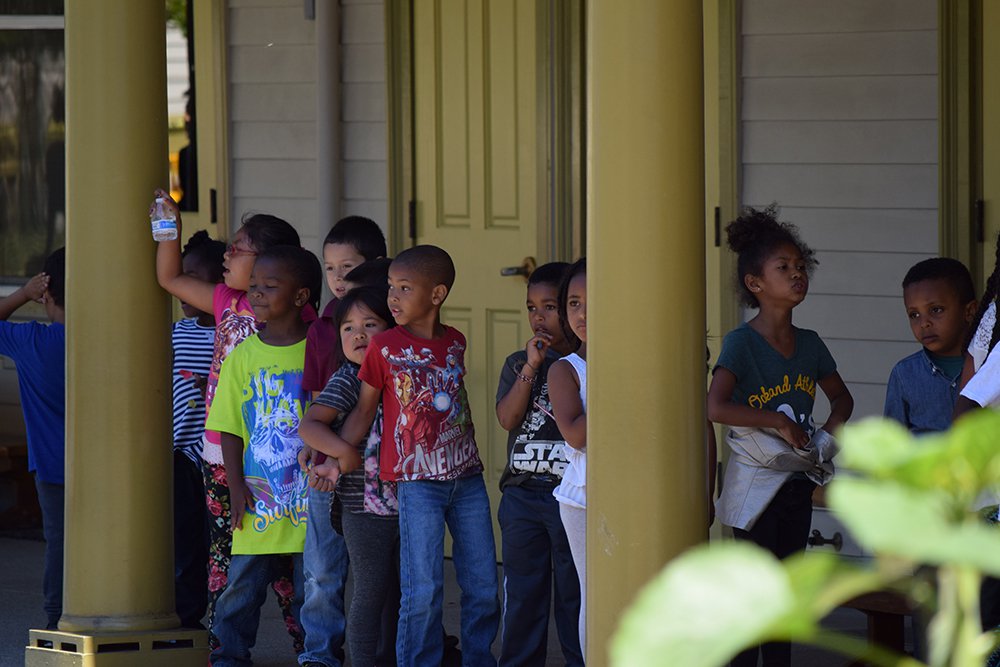
Problem: Though California has been working to expand access to public pre-K, public programs still serve fewer than 50 percent of the state’s four-year-olds and only 11 percent of three-year-olds.33
In 2011 the Kindergarten Readiness Act established transitional kindergarten, and California’s new funding formula has given local communities more flexibility in allocating dollars. But younger children are still not a big part of the student body in most elementary schools, in part because buildings were not set up to support early education. There are often only one or two rooms with bathrooms inside the classroom, for example, which younger children need. State preschool programs are crammed into portable classrooms in some places. Developmentally appropriate manipulatives and art supplies are too often not readily available. And as New America found in a 2016 paper, school leaders often do not have the training or expertise they need to promote high-quality teaching during the early years.34
As communities work to expand not only access but the quality of early learning programs both inside and outside of public schools, some of these systemic barriers are becoming apparent. Leaders are realizing the importance of building a public-school culture that both trains staff to support high-quality interactions with young children and ensures that the system as a whole recognizes the value of a strong early learning program at all levels.
Solution: Some school districts are working on getting buy-in from principals and middle managers through training and outreach.
The Fresno Unified Early Learning Principals' Academy brings together principals in informal, collegial settings, with coaching and practicums to help them support their teachers in early grades and capitalize on investments and resource-shifting the district is making in early learning programs meant to set kids up to succeed in school.
Fresno’s Early Learning department developed a monthly class for principals. The five-session, three-and-a-half-hour class drew from the six competencies outlined by the National Association of Elementary School Principals in its guide, Leading Pre-K–3 Learning Communities: Competencies for Effective Principal Practice. Since the first cohort of 15 principals in 2014, 60 out of the district’s 65 elementary school principals have taken part.
Deanna Mathies, executive officer of Early Learning, said the kindergarten and early elementary grade classrooms were too often using instructional models not appropriate for young children—classrooms with desks in rows, for example, and too much whole-group instruction that expected children to sit still and listen for long periods of time. “In order to really get to quality and to create a continuum of learning for young children, we had to get to the site leaders,” she said.
The district is also engaged in new efforts to work more often in cross-department collaborative teams to solve problems at the school, classroom, and individual level for all children, from infants through age 22.
Kindergarten and early elementary grade classrooms were too often using instructional models not appropriate for young children—classrooms with desks in rows and too much whole-group instruction that expected children to sit still and listen for long periods of time.
Mathies said there is a shifting mindset around the early childhood program inside Fresno Unified. Responsibility for young children’s well-being is no longer seen as being “just out of the preschool office.” Instead, she said the attitude is: “How do we all respond in the system for all children? We’re doing the same thing at the community level. How do we coordinate? If we don’t serve the majority of the children, and if we don’t integrate…we’ll never change things. We’re on the road here…we’re testing it out, and we’re closer than we’ve ever been.”
Franklin-McKinley School District is also working to train principals and administrators. The district offered an Early Learning Community of Practice to help leaders better understand why early learning is key to eliminating the opportunity gap, how to identify elements of quality in classrooms, and how to leverage their site and existing resources to maximize opportunities. Some sessions were held in collaboration with principals and leaders from the surrounding area in order to encourage school leaders to see themselves as part of a movement working to spread progressive practices that support early learning.
Oakland has also been working on improving support for early learning. The district employs a kindergarten readiness manager who aligns work happening in its Community Schools department with that of the Early Childhood Education department and the elementary school sites. This work includes family and community outreach, collaboration between preschool and kindergarten teachers to smooth student transitions, and a four-week kindergarten readiness program targeted to children with minimal or no preschool experience and refugee/newcomer students. The program focuses on building social-emotional skills to help students make a more successful transition to elementary school and also offers bilingual literacy workshops for families, home visits, and developmental and dental screenings.
Some sessions were held in collaboration with principals and leaders from the surrounding area in order to encourage school leaders to see themselves as part of a movement.
Progress, however, has been slow. Districts have found that building a culture that supports and values early learning at all levels will not happen overnight.
Challenges
Teachers in all three districts, for example, have been challenged by administrators who struggle to understand the appropriate balance between play-based learning and academics. Administrators and leaders may have very different ideas about what constitutes strong learning environments in pre-K through third grade. Examples abound of principals who critique what they see in classrooms where students are participating in hands-on learning in centers instead of sitting quietly and listening. This makes it difficult for teachers who are aiming to improve their practice if they feel that their site administrators do not support the ideas they are implementing or what they are learning in professional development.
Arranging time for teachers to attend professional development has also been a challenge. At one recent session that was being attended by pre-K teachers from across the district, a site administrator called a mandatory staff meeting at the same time, preventing a group of teachers from attending the afternoon session and signaling that the early learning professional development was not something that was valued.
Franklin-McKinley is working to better understand how to adapt the principals’ training model to get better participation or convey information about developmentally appropriate practice to leadership in other ways. Fresno has had success with early childhood administrators walking through schools and visiting classrooms alongside principals.
Administrators and leaders may have very different ideas about what constitutes strong learning environments in pre-K through third grade.
Leadership transitions and local politics can also make a significant impact on a community’s ability to conduct large-scale systems reform in early childhood. In all three of the communities in California we have been following, the departure of leading administrators, along with the complexities of local politics, has made it challenging to sustain momentum.
Franklin-McKinley got a new superintendent in 2015, after longtime innovator John Porter retired. The new leader, Juan Cruz, did not arrive with an early childhood background, but has come to understand why these investments are worthwhile. The district has continued to build on the years of work Porter put in alongside other community leaders in Santa Clara County to improve the system of early childhood education and to bring Educare California at Silicon Valley to the region. But the district has also experienced turnover in middle management and in the leadership at Educare.
In Fresno, the retirement of longtime superintendent Michael Hanson, turmoil at the school board after its president made controversial remarks about sex education and the LGBTQ community, and union contract disputes have all affected systems work in early childhood at some level. Leaders describe having to work to bring the new superintendent’s team, along with new board members, up to speed on the history of reforms. They do, however, describe the new leadership as “the right leader at the right time” and say they welcome the fresh opportunities for collaboration, new working styles, and the chance to move the work forward.
In Oakland, early childhood reform is taking place amidst a budget crisis and fiscal mismanagement. The San Francisco Chronicle reported in the fall that the situation in Oakland is “so desperate that top-level administrators are voluntarily giving back part of their paychecks, and layoffs as well as classroom cuts are imminent.”35 This is compounded by the departure of the district’s new chief of Early Childhood Education after only two and a half years. All of this slows and impedes progress, as new relationships must be built and new cultures of work adapted to.
But a remarkable task force, with representatives from across the city, continues to organize, build relationships, and focus on equity and responsiveness to young children of color in Oakland. (See Box 3 for more about the task force.) Work inside the school district’s Early Childhood Education department to maximize enrollment and bring in additional state dollars, as well as provide support and training for teachers and staff, even amidst a budget crisis, has been well received. A new ballot initiative that would bring additional dollars for early care and education is upcoming.36 Despite hardship, there is energy in the city, and hope that Oakland Starting Smart and Strong, along with other work, will help galvanize a vibrant reform movement to protect and nurture young children.
Citations
- Aaron Loewenberg, “How Does California Pre-K Measure Up?” EdCentral (blog), New America, May 4, 2018,https://www.newamerica.org/education-policy/edcentral/how-does-california-pre-k-measure/.
- Aaron Loewenberg, Why Elementary School Principals Matter (Washington, DC: New America, May 2016), https://www.newamerica.org/education-policy/policy-papers/principals-corner/
- Jill Tucker, “Oakland Schools Face Harsh Cuts as Another Budget Crisis Hits,” San Francisco Chronicle, November 9, 2017, https://www.sfchronicle.com/bayarea/article/Oakland-schools-face-harsh-cuts-as-another-budget-12346142.php.
- See note 6.
Key Ingredients for Scale Up and Sustainability
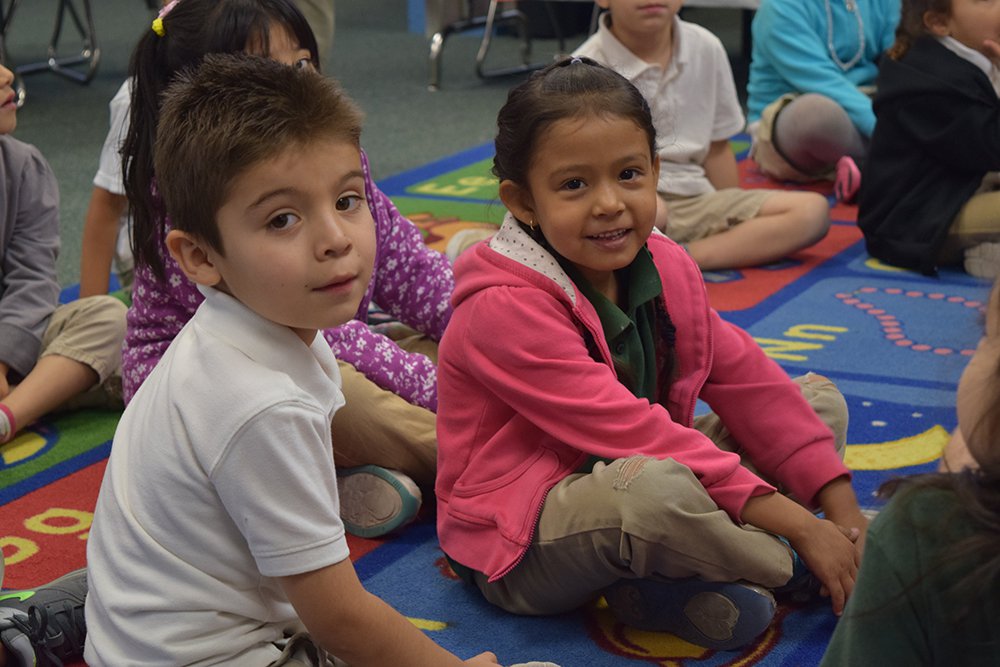
Our analysis shows that to do this work school districts and community organizations need leadership and funding. They must be resourceful to ensure they get the most from every dollar. Foundation funding can kickstart and encourage districts to get these line items into their budgets, but alone this funding is unsustainable and insufficient. Much bigger changes will be necessary in order to sustain and scale up this work and ensure that it moves beyond philanthropic investments in just a few places.
People we interviewed are eager to grow their models across their entire communities, instead of existing in small pockets. The central challenge all three communities face is how to expand reforms so they make a real difference for all the children of these communities and eventually for California as a whole.
Some key ingredients include:
- Administrators to coordinate the programs
- Coaches to support teachers in changing their practice
- Resources to pay for substitutes for teachers and assistants so teachers can be absent from the classroom during the school day for professional development and for classroom supplies, venues, and materials
- Senior leadership who see early learning as a key part of children’s education and who can advocate for dedicated and sustained resources for this work
- Community and early care partners to work alongside school districts
- City and state leaders to provide these dedicated and sustained resources
Conclusion
Fresno, Oakland, and the Franklin-McKinley School District in San Jose have begun the important work of systems change in early childhood, even while continuing to struggle with political turmoil, deep poverty among families, and lack of resources in districts and community organizations. No one in these communities is expecting immediate results. Change in teacher and adult practice, even in the best of circumstances, will take time.
Successful models and initiatives include some of the following components. They:
- build on the expertise in a community, which empowers teachers, parents, and caregivers to lead;
- put equity at the center;
- offer high-quality and ongoing professional development paired with coaching, with input from teachers on how it is developed;
- build community partnerships to train informal educators; family, friend, and neighbor caregivers; and parents;
- train principals in early learning; and
- use data to evaluate progress and enable teachers and leaders to use that data to change systems.
Using models like this, communities and states can catalyze new collaborations (such as school districts working with community organizations and housing authorities); sustain training programs for teachers and early care providers to lead change inside and outside of school districts; assist administrators as they deepen their knowledge about how to support all of the children in their communities; and instigate important shifts in culture. These activities are critical for building the strong system of support that all children in California deserve.
Appendix I: Related Resources
For additional information, see:
- Two-page David and Lucile Packard Foundation brief on the Starting Smart and Strong initiative
- Eight-page New America brief on Fresno, part of “California Communities Aiming for Quality in Early Learning” series from March 2016
- Eight-page New America brief on San Jose, part of “California Communities Aiming for Quality in Early Learning” series from March 2016
- Eight-page New America brief on Oakland, part of “California Communities Aiming for Quality in Early Learning” series from March 2016
- Home page for New America “Stronger Teaching and Caregiving for California’s Youngest” series, with links to 21 articles and a video
Appendix II: Interview List
Interviews for New America's Coverage of Early Education in California starting in 201537
| Elizabeth | Alvarez | Program Director, Franklin-McKinley Children's Initiative | Catholic Charities of Santa Clara County |
| Christie | Anderson | Executive Director, Early Learning | Oakland Unified School District, Early Childhood Education |
| Linda | Asato | Executive Director | California Child Care Resource and Referral Network |
| Catherine | Atkin | Executive Director | Early Learning Lab |
| Lea | Austin | Co-Director | Center for the Study of Child Care Employment, University of California, Berkeley |
| Brianna | Brown | Teacher | Manzanita SEED, Oakland Unified School District |
| Claudia | Campbell | Early Educator Apprentice | Early Childhood Impact YMCA of the East Bay / Service Employees International Union |
| Maureen | Casey | Special Education Pre-K Teacher | McKinley Elementary, Franklin-McKinley School District |
| Maria | Ceballos Tapia | Manager, Early Learning Department | Fresno Unified School District |
| Joya | Chavarin | Workforce Development Director | Early Childhood Impact YMCA of the East Bay |
| Teri | Clark | Director, Professional Services Division | California Commission on Teacher Credentialing |
| Aaron | Covarrubias | Teacher | Homan Elementary School, Fresno Unified School District |
| Juan | Cruz | Superintendent | Franklin-McKinley School District |
| Ajhana | DeRamous | Parent | Oakland |
| Larry | Drury | Executive Director | Go Kids, Inc. |
| Erin | Dubey | Child Development Consultant | First 5 California |
| Aimee | Eng | Director | Oakland Unified School District |
| Cathy | Estell | Teacher | United Nation Child Development Center, Oakland Unified School District |
| Cecelia | Fisher-Dahms | Education Administrator | California Department of Education |
| Mark | Friedman | Chief Executive Officer | Thomas J. Long Foundation |
| Angie | Garling | Program Administrator | Alameda County Early Care and Education Program |
| Drew | Giles | Director, Quality Enhancement and Professional Development for Early Learning, Early Childhood Education Department | Oakland Unified School District |
| Bridget | Hamre | Associate Director | Center for Advanced Study of Teaching and Learning, University of Virginia |
| Michael | Hanson | Superintendent | Fresno Unified School District |
| Whit | Hayslip | Independent Consultant; formerly Assistant Superintendent of Early Childhood Education | Los Angeles Unified School District |
| Nini | Humphrey | Teacher | United Nation Child Development Center, Oakland Unified School District |
| Kristen | Itani Koue | Research Associate | Harder+Company Community Research |
| Priya | Jagannathan | Manager | Oakland Starting Smart and Strong |
| Lupe | Jaime | Director, Early Care and Education | Fresno County Office of Education |
| Lynn | Karoly | Senior Economist | RAND Corporation |
| Lisa | Kaufman | Executive Director | Educare California at Silicon Valley |
| Quinetta | Lewis | Director | St. Mary's Center Preschool |
| Antonia | Lopez | Director of Early Childhood Education | National Council of La Raza |
| Angela | Louie Howard | Executive Director | Lotus Bloom |
| Camille | Maben | Executive Director | First 5 California |
| Peter | Mangione | Co-Director | WestEd Center for Child and Family Studies |
| Meera | Mani | Director of the Children, Families, and Communities Program | David and Lucile Packard Foundation |
| Jose | Manzo | Superintendent | Oak Grove School District |
| Deanna | Mathies | Executive Officer, Early Learning | Fresno Unified School District |
| Erika | Mathur | Teacher | McKinley Elementary, Franklin-McKinley School District |
| Debra | McMannis | Director of Child Development Division | California Department of Education |
| Michelle | Meadows | Teacher | United Nation Child Development Center, Oakland Unified School District |
| Charles | Miller | Principal | Allendale Elementary School, Oakland Unified School District |
| Laura | Mitchell | Manager, Early Learning Department | Fresno Unified School District |
| Ray | Mondragon | Deputy Chief of Early Learning | Oakland Unified School District |
| Julie | Montali | Early Learning Program Manager | Fresno Unified School District |
| Scott | Moore | Consultant; former Chief Policy Advisor | Early Edge California |
| Teresa | Morales-Young | Administrator, Teacher Development | Fresno Unified School District |
| Ana | Moreno | Associate Program Director | New Teacher Center |
| Iaisha | Muhammad | Teacher | Early Learning Center, Fresno Unified School District |
| Nicole | Nelson | Associate Program Consultant | New Teacher Center |
| Clare | Nolan | Co-Founder | Engage R&D |
| Laurie | Olsen | Director of the Sobrato Early Academic Language Model | Sobrato Family Foundation |
| Kim | Pattillo Brownson | Director of Educational Equity | Advancement Project California |
| George | Philipp | Senior Program Associate | WestEd E3 Institute |
| Glen | Price | Chief Deputy Superintendent | California Department of Education |
| Heather | Quick | Managing Researcher | American Institutes for Research (AIR) |
| Malia | Ramler | Senior Administrator, Community and Provider Capacity Building | First 5 Alameda County |
| Vickie | Ramos Harris | State Director of Policy and Practice | Early Edge California |
| Kathy | Rohrer | Teacher | Burbank Preschool Center, Oakland Unified School District |
| Ramona | Ruacho | Director | Daisy's Daycare |
| Curtiss | Sarikey | Chief of Staff | Oakland Unified School District |
| Chris | Sciarrino | Director of Early Childhood Practice and Innovation | Early Learning Lab |
| Kate | Shaheed | Executive Director | Saint Vincent’s Day Home |
| Lisa | Shipman | Principal | Fresno Unified School District |
| Jolene | Smith | Executive Director | First 5 Santa Clara County |
| Liliana | Spears | Teacher | Homan Elementary School, Fresno Unified School District |
| Shelly | Spiegel-Coleman | Executive Director | Californians Together |
| Fiona | Stewart | Program Director | Child Care Alliance of Los Angeles |
| Erika | Takada | Senior Research Consultant | Engage R&D |
| Bong Bai | Thao | Teacher | Holland Elementary School, Fresno Unified School District |
| Susan | True | Director of Education Strategy and Ventures | Kenneth Rainin Foundation |
| Melinda | Waller | Director of Early Learning | Franklin-McKinley School District |
| Debra | Weller | Teacher | Bathgate Elementary School, Capistrano Unified School District |
| LaWanda | Wesley | Program Manager | Alameda County Early Care and Education Program |
| Marcy | Whitebook | Co-Director | Center for the Study of Child Care Employment, University of California, Berkeley |
| Randi | Wolfe | President | TIKKUN Consulting |
| Andrea | Youngdahl | Consultant; former Director | Department of Human Services, City of Oakland |
| Jose | Zalapa Negrete | Community Education Specialist, Early Learning Department | Fresno Unified School District |
| Marlene | Zepeda | Professor Emeritus, Department of Child and Family Studies | California State University, Los Angeles |
Citations
- In most cases, titles reflect the position at the time of the interview.
More About the Author

Sarah Jackson
Principal at SJackson LLC