Stephen Burd
Senior Writer & Editor, Higher Education
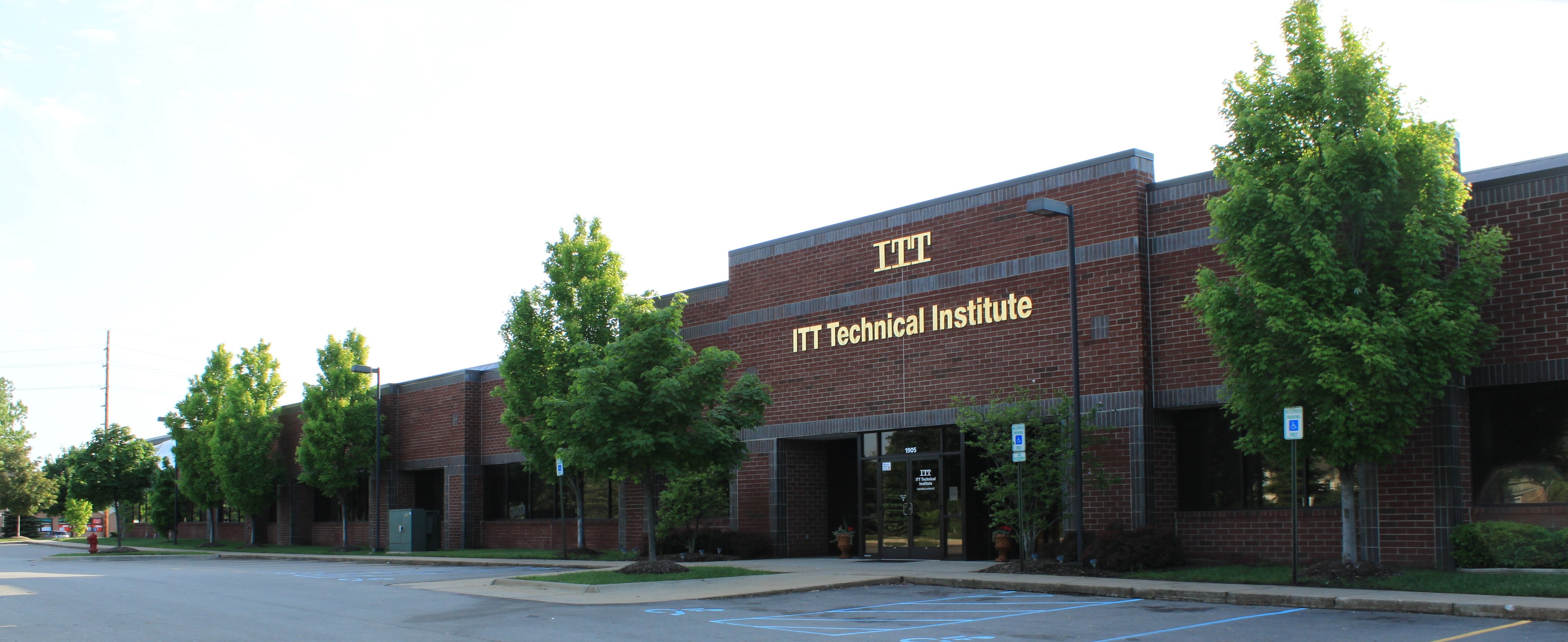
Don’t cry for ITT. Judging from all the accusations that
have been made against the ITT in recent years, its leaders have only
themselves to blame for the company’s collapse.
Unsurprisingly, ITT officials and other apologists for the
company, such as the editorial writers at The Wall St. Journal, don’t like that explanation. They would like to portray
ITT as being another victim of the Obama’s “regulatory assault” on the
for-profit higher education industry. But they don’t explain why American
taxpayers should continue to support a company that appears to have
deliberately defrauded students, shareholders, and the federal government,
while raking in billions of dollars in federal financial aid every year.
In preparation for the all the blowback the White House and
the U.S. Department of Education are likely to get now that ITT has officially shut down, I thought it would be
helpful to provide brief summaries of the allegations that federal and state
regulators and former employees have made against ITT over the last several
years. They paint a disturbing picture of a company that enriched its leaders
at the same time that it harmed students, misled investors, and put itself on a
crash course to financial collapse.
The New Mexico Attorney
General’s Lawsuit Against ITT
In February 2014, Gary King, New Mexico’s Attorney General,
sued ITT over recruiting and financial aid abuses that allegedly occurred at
ITT Technical Institute in Albuquerque.
Most Disturbing
Allegations
Consumer Financial Protection Bureau Lawsuit Against ITT
The
Consumer Financial Protection Bureau (CFPB) also sued ITT in February 2014,
accusing the company of engaging in an elaborate scheme to “coerce” the
generally low-income students who enrolled into taking out institutional
private loans that “included 10 percent origination fees and interest rates as
high as 16.25 percent” to fill the gap between what students owed and the
federal financial aid they received. According to the lawsuit, company
officials knew that the majority of students who took out these loans would
never be able to repay them.
How This Scheme Allegedly Worked
Because
ITT’s programs were so expensive, students were generally left with a funding
gap even after maxing out their federal loans. To fill this gap, ITT provided
students with what appeared to be a generous offering – short-term loans that
were interest free. But there was a catch. These loans had to be fully repaid
within nine months. Knowing that most students wouldn’t be able to meet this
requirement, ITT essentially gave students a choice once the temporary loans
came due: drop out or pay off this debt by taking out much more expensive and
onerous private loans through its institutional PEAKS Loan program. ITT made these loans even though it projected that
more than 60% of them would end up in default. If that wasn’t bad enough, the schools’
financial aid administrators weren’t always upfront with students about the
terms of the loans. “As a result of being pressured into do so by ITT,
approximately 8,600 consumers entered into loans they could not afford, did not
want, did not understand, or didn’t even know they had,” the CFPB’s lawsuit
states. Unsurprisingly, at least two-thirds of these loans have not yet been
repaid. Meanwhile, collection agencies have been pursuing these students, whose
credit records have been ruined.
U.S. Securities
and Exchange Commission Lawsuit Against ITT and its Leaders
In May 2015, the U.S. Securities and Exchange Commission (SEC)
filed a lawsuit against ITT and two of its leaders, accusing them of engaging “in
a fraudulent scheme to defraud ITT investors by concealing the extraordinary
failure” of its institutional private loan program, and the harm it was doing
to the company’s finances.
How This Scheme
Allegedly Worked
In order to get banks to make PEAKS Loans to its students,
ITT had to guarantee the loans against default. As a result, the amount that
ITT had to pay to these lenders grew as more and more of these loans defaulted.
To avoid having to make these massive payments, company officials came up with
a plan: they would secretly make the minimum payments on the loans of students
who were in danger of defaulting without disclosing that they were doing so to
investors. While this strategy paid off in the short term by at least
temporarily preventing these loans from going into default, it actually made
things much worse for the company over the long haul because interest continued
to accrue on these loans. The added interest “increased ITT’s overall PEAKS liability,”
the lawsuit states, and “these effects compounded each period that ITT
continued the practice.” Because ITT
left them in the dark, ITT’s shareholders didn’t have any idea about how poorly
these loans were performing. But eventually, the loan companies that held the
PEAKs Loans forced ITT to come clean and abandon the practice. At that point,
ITT’s stock price plunged, “falling by approximately two-thirds,” the lawsuit
states.
Former ITT
Official’s False Claims Lawsuit
In January, a federal district court in Tallahassee, FL
unsealed a False Claims lawsuit that Rodney Lipscomb, who was the dean of
academic affairs at ITT’s Tallahassee campus from 2011 to 2015, filed against
the school, accusing it of engaging in a variety of recruiting and financial
aid abuses.
Most Disturbing
Allegations
The Massachusetts
Attorney General’s Lawsuit Against ITT
In April, Maura Healey, Massachusetts’ Attorney General,
sued ITT’s schools in the state “for engaging in unfair and harassing sales
tactics and misleading students about the quality of its Computer Network
Systems program, and the success of the program’s graduates in finding jobs.”
Most Disturbing
Allegations
Senior Writer & Editor, Higher Education