Stephen Burd
Senior Writer & Editor, Higher Education
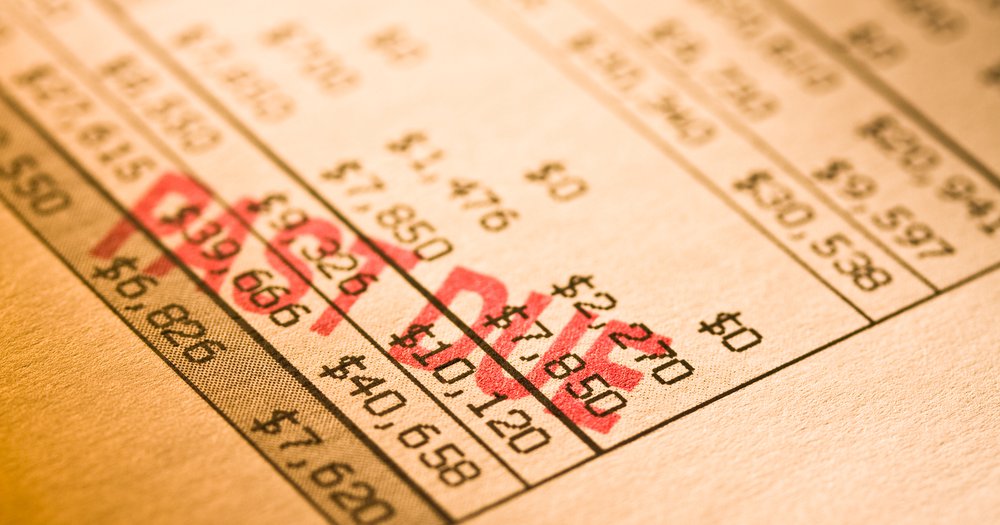
A little more than a decade ago, the U.S. Department of Education’s Inspector General released a report that took the Department to task for its complete and utter failure to “track and monitor complaints” that were made against the 22 private companies that the government uses to collect on federal student loans in default. By neglecting to follow its own detailed policies for reviewing complaints, the Department, the report concluded, didn’t have any idea whether the private collection agencies (PCAs) it contracts with “were appropriately servicing borrower accounts and adhering to applicable laws and regulations.”
This week, the Inspector General came out with a new report evaluating the Department’s oversight over the collection companies. The upshot: little has changed in the intervening years.
According to the report, the Department’s Federal Student Aid (FSA) office does not effectively monitor borrower complaints against the collection companies nor make sure that they are satisfactorily resolved; does not ensure that these agencies are adhering to federal debt collection laws and the terms of their contracts; and does not take complaints into consideration when deciding how much to compensate the companies.
The report is chock-full of examples that show the extent of FSA’s neglect:
The failure of FSA to adequately oversee the collection companies is scandalous considering the amount of harm unscrupulous PCAs can cause the most financially distressed student loan borrowers. Well-documented horror stories abound about how these collection agencies routinely fail to inform borrowers about repayment options to which they are entitled; demand excessive payments; refuse to provide documentation to back up their claims; call at all hours; harass borrowers’ friends, family members, and neighbors; and generally lash out in abusive and threatening ways.
The Inspector General offers some piece-meal recommendations for fixing the current system. But perhaps a bigger solution is needed – one that would significantly reduce the need to involve private collection companies in the federal loan program in the first place.
The New America Foundation has proposed redesigning the federal student loan program so that all students would be required to repay their loans based on a percentage of their income after they graduate. A default IBR program would recognize that some people will never earn enough to fully repay their debt, no matter how earnestly they try. Under this system, many fewer students would likely end up in default, and far fewer collection companies would be needed.
Or perhaps we could move to a system that could eliminate the need for collection companies altogether. Under such a program, employees with federal student loans would see a portion of their income withheld by their employers and used to pay down their debt, much as they see payroll taxes withheld today. When a borrower’s adjustable gross income went up or down, so would their monthly payments, with the only enforcement mechanism needed being the Internal Revenue Service.
Either solution would be preferable to the current system, in which student loan collection companies are able to chase defaulted student loan borrowers to the grave, without anyone effectively watching over them.
Senior Writer & Editor, Higher Education