Kevin Carey
Vice President, Education & Work
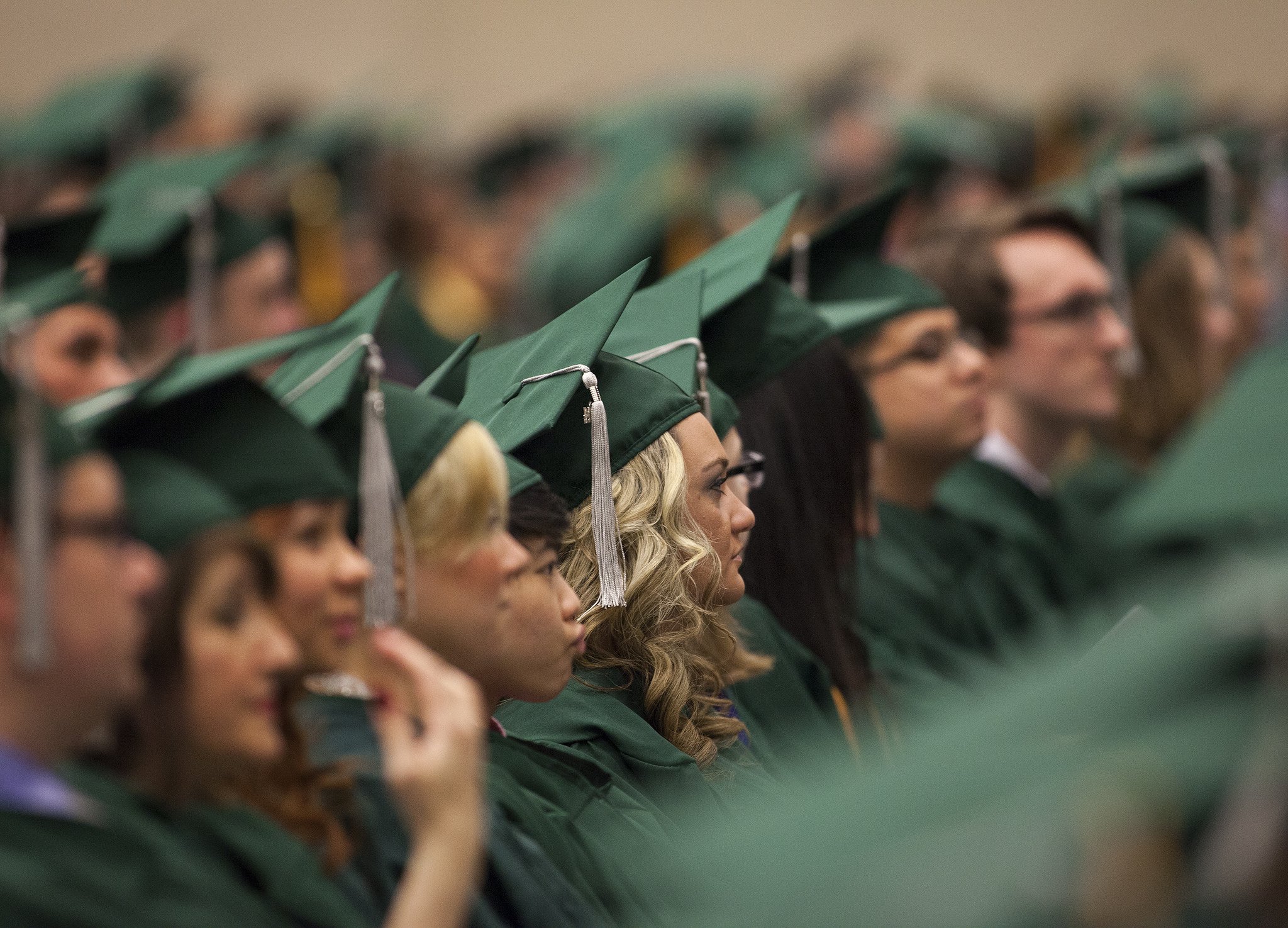
Earlier this month, the U.S. Department of Education published new data that redefined the federal graduation rate. While the old definition included only full-time students enrolled in college for the first time, the new definition covers many more non-traditional students. And the results of the new data are striking. As I wrote today in The New York Times‘ The Upshot:
The results paint a very different picture of community
college success. The old measures, for example, captured about 620,000 students
who began as first-time, full-time freshmen in 2008. Only 20 percent graduated
from the community college they started at within three years. North Shore
Community College was typical — its old graduation rate was 19 percent.
…
Including all of the part-time and returning students and
looking over eight years boosted North Shore’s graduation rate to 35 percent.
Another 19 percent transferred before graduation. Others were still working
toward a degree. All told, more than half of Mr. Burton’s students had a
successful outcome — not, as the old rates suggested, fewer than one in five.
The for-profit picture is not so rosy. The two-year programs
Mr. Gunderson chose for comparison make up less than one-fifth of all
for-profit enrollment. Four-year programs at for-profits have much lower graduation
rates than those of comparable public institutions. Combined, they had a 34
percent graduation rate under the old measures. And in contrast with community
colleges, the new measures make for-profits look worse, dropping their
average graduation rate to 32 percent.
Vice President, Education & Work