Meegan Dugan Adell
Director, New America Chicago
Writing this blog might be one of the hardest things I’ve ever done. And I’ve been through a fire, a flood, childbirth, and a divorce. But, I don’t know you and you don’t really know me. And this is so personal, so important, and so scary, I have to get it right.
Since I was a girl, I have been following a set of rules. Some told to me by my Black father and some learned silently. Rules determined to keep me safe. I only had a handful of rules. My brother had more. The dark-skinned kid at my school had even more. Rules like, make sure you never take a large bag into a store. Always smile broadly and show the police you are friendly. Don’t forget to speak a certain way. Don’t linger in the back row of stores. When you shop, keep your hands where people can see them. Talk about your church. Talk about your education at the University of Chicago. Show people as soon as possible that you aren’t scary and unsafe. The rules became a part of my subconscious, nearly automatic. These rules kept me safe. I thought.
And then there was Sandra Bland: a woman who could have been me, who ended up dead in a jail cell for no apparent reason after doing nothing wrong. Shaken a little, I tried to keep moving; focusing on my family and my work making life better for low-income families. Children were killed for being children and kind school workers were killed for nothing: Tamir, Michael, Philando, and the list kept getting longer. Then, there were George and Ahmaud and the center could not hold.
I grew up in a relatively safe, small city in Iowa where I could trust the police to come protect me when I called. Even after 25 years in Chicago, the violence against Black people feels new and scary to me. But my friends and family who are darker-skinned and male, or happen to live in certain Chicago neighborhoods have always had to deal with this type of fear. We just have more video cameras to prove it now.
If I would have listened more closely years ago to my friends who had grown up near and in Chicago’s South and West Sides, I would have realized much earlier just how little civil rights have changed based on where you live and the color of your skin. If I had set aside my comfortable understanding of how the world works, I could have really heard them. I would have understood much better that for years they had been treated completely differently than I had by the police, teachers, and people in positions of authority. Perhaps I would have listened more closely to the experiences of my sweet, heart-of-gold, social worker friend who was stopped randomly on a regular basis by the police in her neighborhood if she went out to pick up a liter of pop after 10 pm. Without doing anything wrong she had routine interactions with police only because of the color of her skin and the neighborhood she lives in on her slim case manager salary. Maybe I would have realized sooner that the receptionist at the nonprofit I worked at wasn’t exaggerating when she talked about the police in Cabrini Green where she grew up planting drugs in her neighbors’ cars.
I tried to keep what they said at arm’s length because, maybe like you, it is too hard and painful to hear. It scares us to think our United States is less just, less fair, and much more dangerous than we realized. It is difficult to realize that in many places Black and Brown people are still treated like their rights are optional based on their skin color or where they live. It was only recently that my own good-hearted brother shared that he once had a police officer shove a gun in his face while he painted a mural on the South Side. Hear the sound of a little piece of my naivete hitting the floor.
Some of us are still not free.
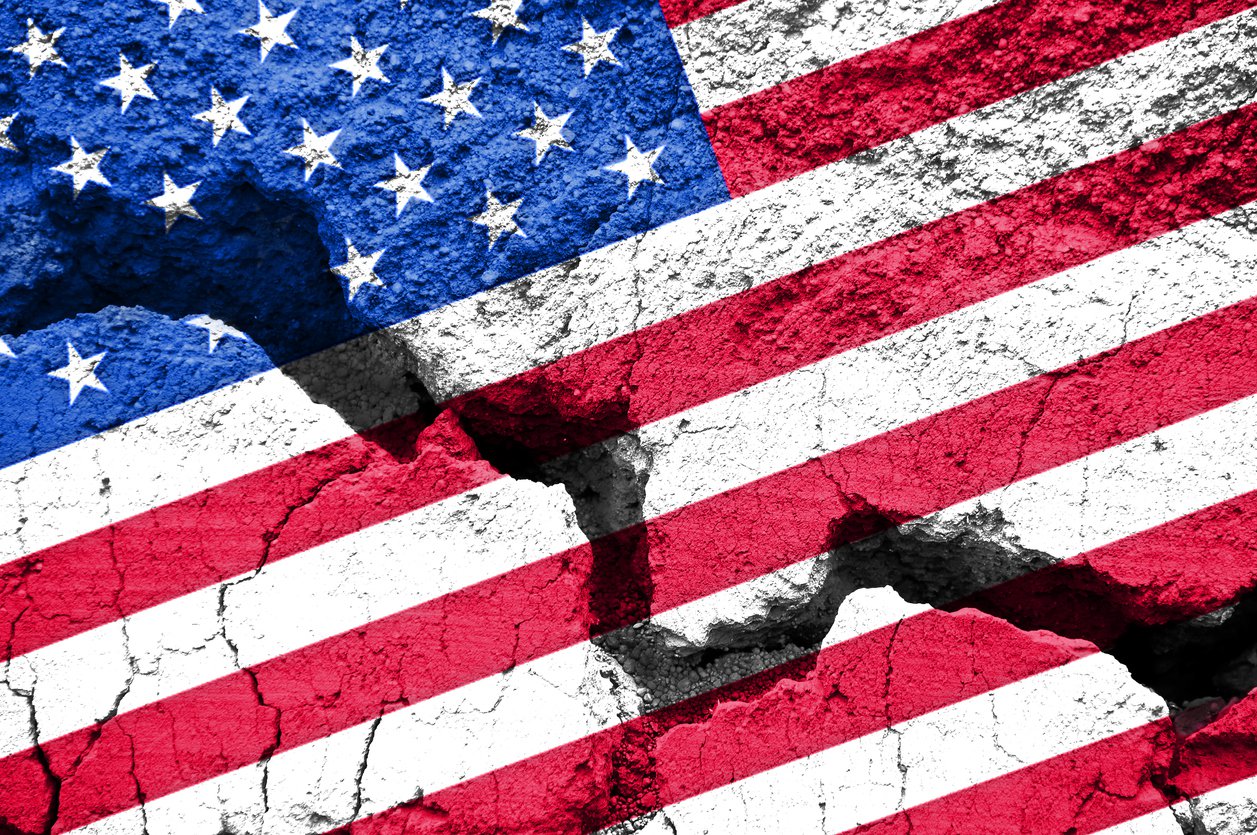
Don’t get me wrong, things are better than they were when my grandmother was a girl. But that isn’t enough. It isn’t better for everyone. If you live in a certain neighborhood or have dark skin your civil rights and even your life can be trampled on with impunity. We can do better. We must do better or we will tear ourselves to shreds.
So, what can we do? There is so very much we can do, friend. It won’t fix everything, but you can do your part.
Last weekend, I celebrated the Fourth of July with my daughter. One of my family members no longer celebrates the holiday because not all Americans were free on Independence Day. I choose to keep celebrating because I believe in the potential of my country. I believe in an America where all people have the right to live free and prosper. That isn’t possible if we do things as they have always been done. Now is the time to completely rethink our priorities and investments as a city and country. We won’t get very far if we don’t also examine ourselves and make changes in our work and personal lives. I, for one, believe we can grow and change as a country if we keep working at it. I hope you believe that too.
Director, New America Chicago