
Pre-K’s Wave of the Future?
A new approach to financing early education could mean taxpayers lose out if pre-K programs don’t meet specific targets.
A new approach to financing early education could mean taxpayers lose out if pre-K programs don’t meet specific targets.

Last week, Washington state legislators left Olympia without approving any changes to its teacher evaluation law.
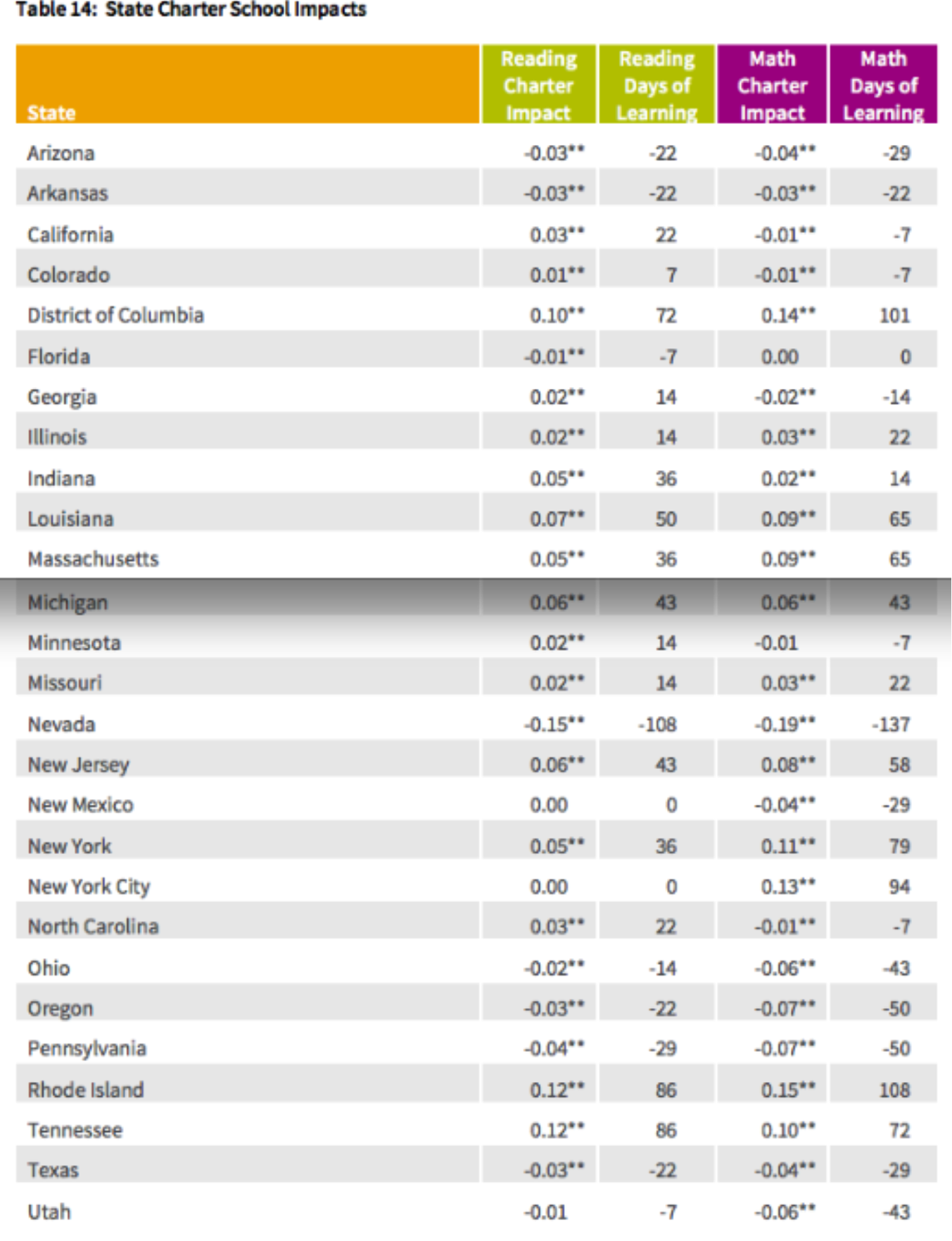
Compared to the ongoing charter battles in New York City, most of the hearing was a tame affair.

If the bill passes the House and is signed into law, it will be the first time the law has received a facelift since 1996.

Last week, after months of speculation, California finally earned a waiver from the U.S. Department of Education.

Across all levels of learning, assessments satisfy accountability concerns and structure understanding of what children know and are able to

How can they raise standards with one hand, while removing accountability for meeting them with the other?

While Bill de Blasio swept into office with a convincing electoral victory last fall, his first few months have been challenging.

The SAT and ACT have “become disconnected from the work of our high schools."

Why is pre-K such an easier sell?

President Barack Obama submitted his fiscal year 2015 budget request to Congress on March 4, 2014.

There's an intra-Democratic Party fight roiling New York today.

FEBP announced the addition of state and federal adult education data to its publicly available database.
This morning, the DCPNI held an event to roll out data from a community study they conducted with the Urban Institute.

Some lessons and observations for states and teachers when it comes to student data, assessment and education.