
Streamlining in Early Ed Doesn’t Mean Eliminating Programs
Observers of early childhood education in the U.S. would be hard-pressed to find much evidence that the country has any system at all.
Observers of early childhood education in the U.S. would be hard-pressed to find much evidence that the country has any system at all.

Focusing on the importance of the full- and half-day labels is not an abstract, academic exercise. Such labels have consequences.

As states turn to more Pre-K programs, Head Start, which serves more the a million under privileged kids, is being left behind.

The Common Core State Standards are less exciting than you've heard. But they're still worth implementing.

You may be wondering: What is the link between home visiting and children learning to read?

The event, "Seizing Opportunity in the Digital Age," put a spotlight on the difficulties of incorporating ed tech into classrooms.
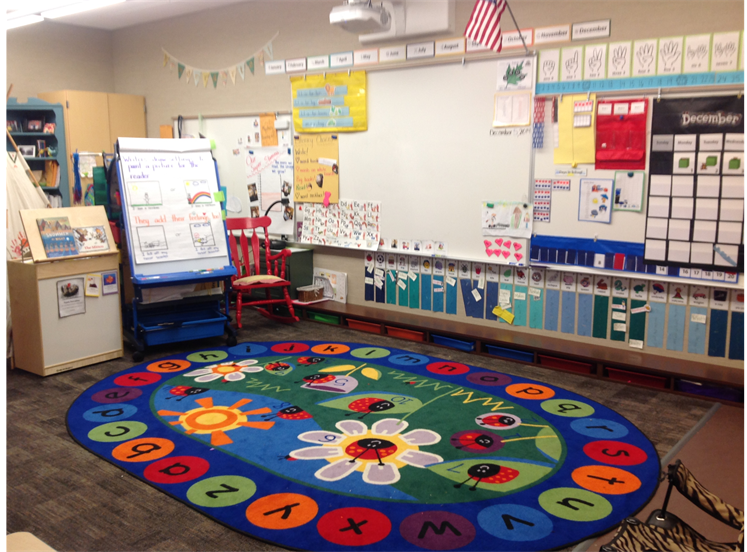
Better reporting requirements for states are necessary.

New research on the effects of providing breakfast at school shows a mixed bag for students.

Clare McCann writes that lawmakers have constructed a formula that creates significant disparities in federal special education funding.

While children overall may be doing better today than their predecessors, too many children still aren't receiving the resources they need.

A new report charts a path forward for early learning with some essential improvements--and a few bold ideas!

Most attention to the Common Core State Standards has focused understandably on the continued political backlash against the standards
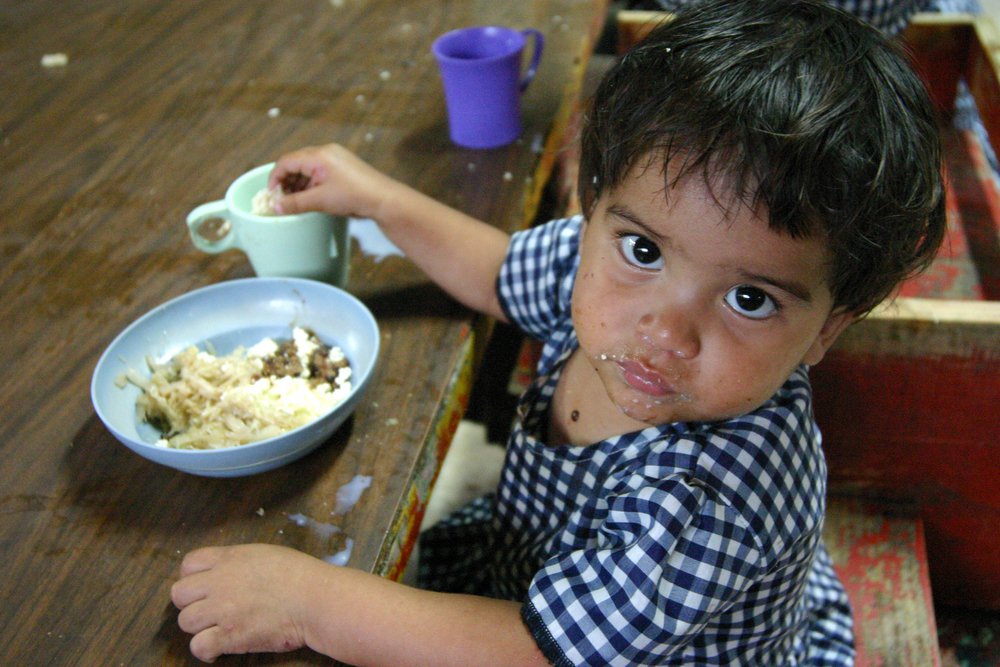
One thing is becoming clear: Immigration may not be the only policy affected by unaccompanied children.

Many of those within higher education were not involved in developing or endorsing the Common Core standards and assessments.