
In a Well-Being Economy, Time Isn’t Money—It’s Care
Anna Mercury explores measuring time in care & why well-being may mean surrendering control to biological, ecological, and relational tempos.
Anna Mercury explores measuring time in care & why well-being may mean surrendering control to biological, ecological, and relational tempos.

Serena Bian discusses how capitalism’s relentless focus on growth has pushed us to abandon connection.

Writers from the Well-Being Economy Writing Cohort reimagine economic narratives, starting with a poem reframing immigration debates.

Climate risk expert Alice Hill spoke with The Rooftop about housing affordability, homeowners insurance, and climate change.
CivicSpace has chosen dialogue over division in 2025 and reflects on our impact.

Ahead of climate migration, Cincinnati should prioritize boosting access to its many older, affordable homes.

Grace Arlan with the Flagstone Initiative spotlights their innovative model for upstream eviction prevention: no-interest rent loans.
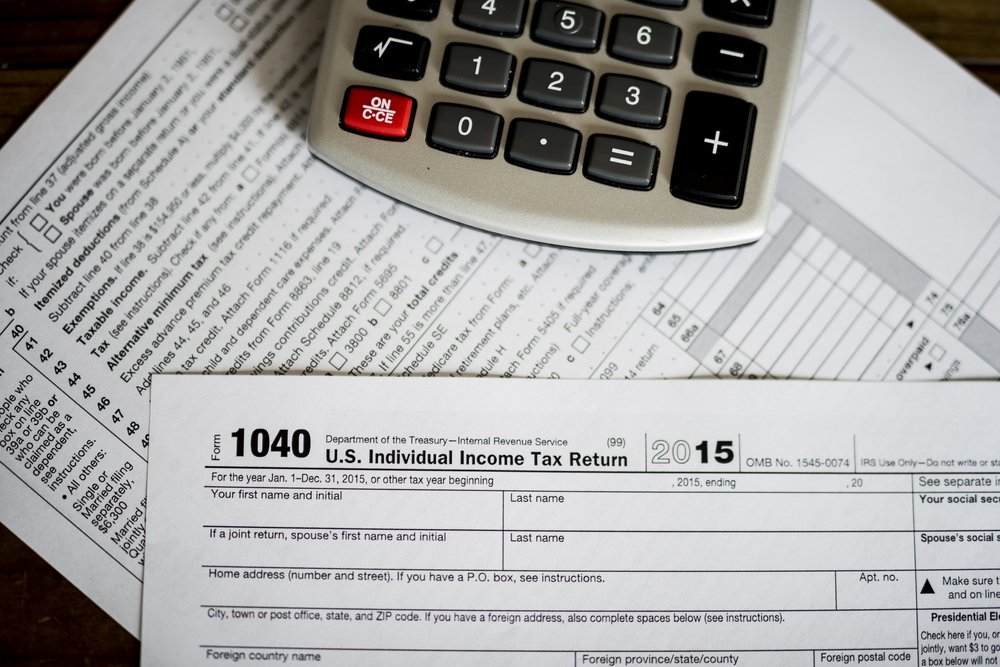
Systemic and practical barriers — more than awareness of tax credits — are the main reasons that people don’t file taxes.

FLH's Yuliya Panfil and Sabiha Zainulbhai wrote for Greater Greater Washington on the need for better eviction data in DC.

To date, the New Practice Lab has supported over 2.8 million Americans
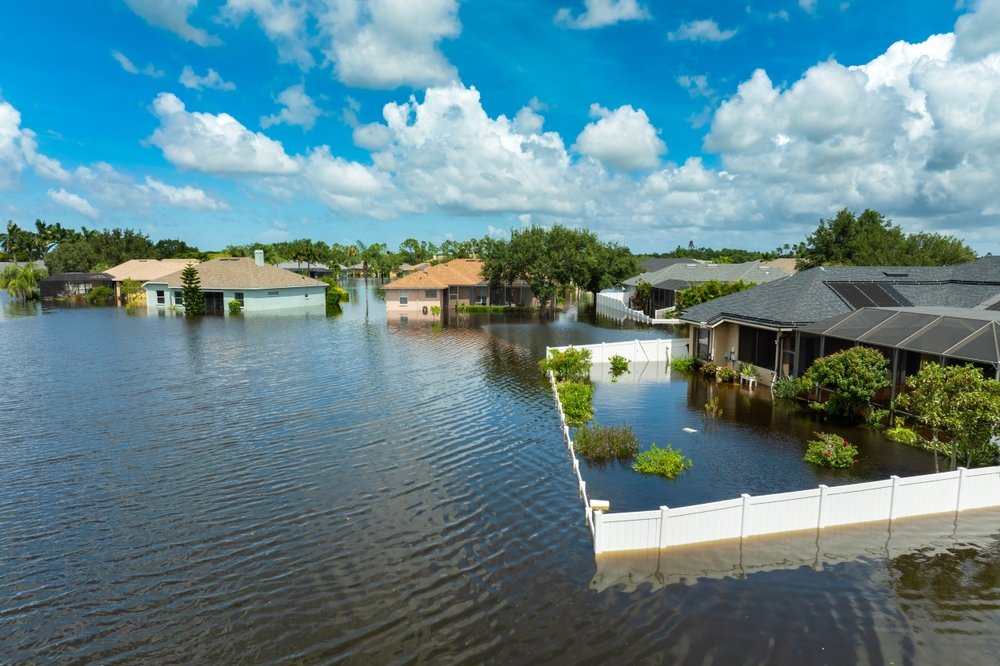
Insurance industry profit motives conflict with our need for protection. Public insurance, coupled with proactive risk reduction, can help.

Read about New America's Eviction Data Response Network 2026 application opportunity, which closed March 3, 2026.

FLH's Yuliya Panfil was quoted in a Dwell Magazine article about financing barriers making it difficult to buy affordable homes.

The New Practice Lab is starting 2026 by fielding a largest-of-its-kind parent survey
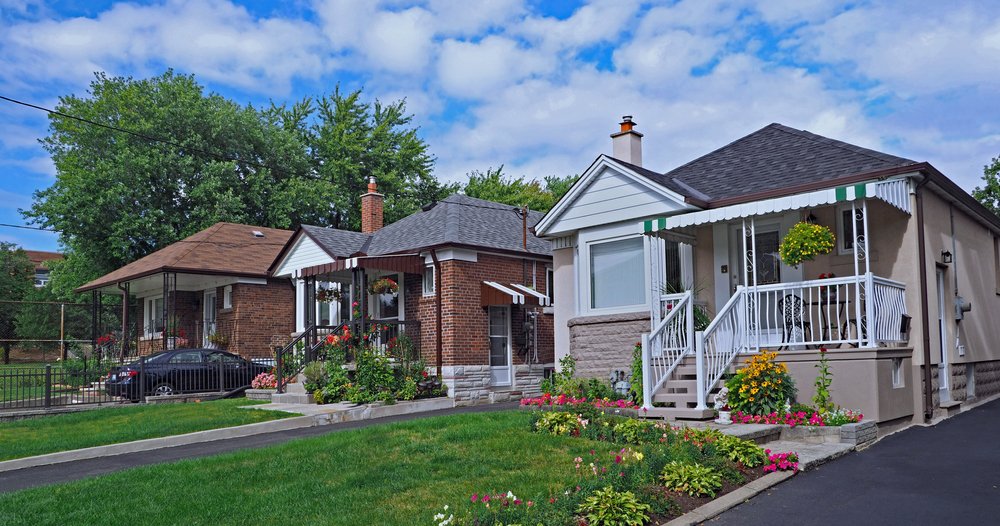
Millions of American homes cost under $200k, but barriers to financing make them inaccessible to families who can afford them.