
Low Awareness, Strong Appetite: New Polling on Ballot Initiative Access in 10 Non-Initiative States
A new survey commissioned by Political Reform suggests a key barrier to adopting a ballot initiative process is a lack of awareness.
A new survey commissioned by Political Reform suggests a key barrier to adopting a ballot initiative process is a lack of awareness.

Shalin Jyotishi writes in Forbes that over 80 chambers of commerce are sounding the alarm on STEM talent loss after federal research cuts.

Colorado and Massachusetts are expanding the role of advising to ensure every adult is prepared to support students plan for their future.

New America Senior Fellow Peter W. Singer was quoted on new developments in China's maritime strategy.

New America's data on the U.S. war in Somalia was cited in an article in The Nation.

The Small Wars Journal covered New America's data on U.S. strikes in Somalia.

Fierce Network reported on a recent Wireless Future event, highlighting two studies that show the enormous opportunity of private wireless networks fueled by CBRS and the significant disruption that would result from mobile industry efforts to radically change the framework for shared use of the band.

A new survey of U.S. parents with young children reveals what parents want—from how they want to spend their time to what they hope for the future.
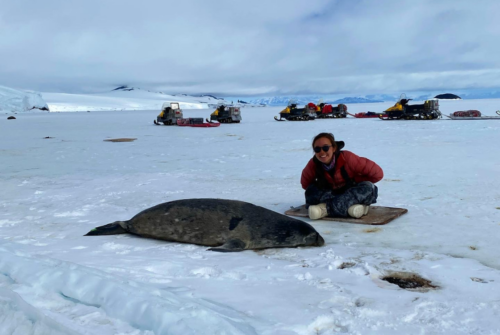
EmmaLi Tsai discusses her fieldwork, how it’s impacted her views on maximizing environmental progress, and what she hopes to accomplish through the DSP fellowship.

Shalin Jyotishi writes in Forbes on a new multiagency effort to fund state-level coordination for AI workforce readiness.

Lee and James discuss the Supreme Court's recent redistricting ruling and what it means for American democracy.

Lee and James chat with Didi Kuo about how to fix political parties.

Summer camp remains a costly private expense that lacks the public funding and infrastructure of the K-12 school system.

The abrupt closure of a beloved on-site childcare center at a Siemens campus underscores the precarious nature of employer-sponsored care. As companies downsize or shift to hybrid models, families are left to navigate the sudden loss of essential support systems they once relied on.

For many families, the soaring costs of long-term memory care create a devastating financial and emotional burden that outpaces personal savings. As the aging population grows, these systemic gaps leave both seniors and their caregivers facing an increasingly uncertain future.