Episode 7: Felony Disenfranchisement
Over 4 million American adults cannot vote due to a felony record. How did these laws come to be?
Big ideas, bold solutions. Explore the latest research, analysis, and policy insights from our experts.
Over 4 million American adults cannot vote due to a felony record. How did these laws come to be?

In Episode #32 of the High Energy Planet podcast, Ken Opalo discusses why prioritizing economic growth is essential for Africa's future.
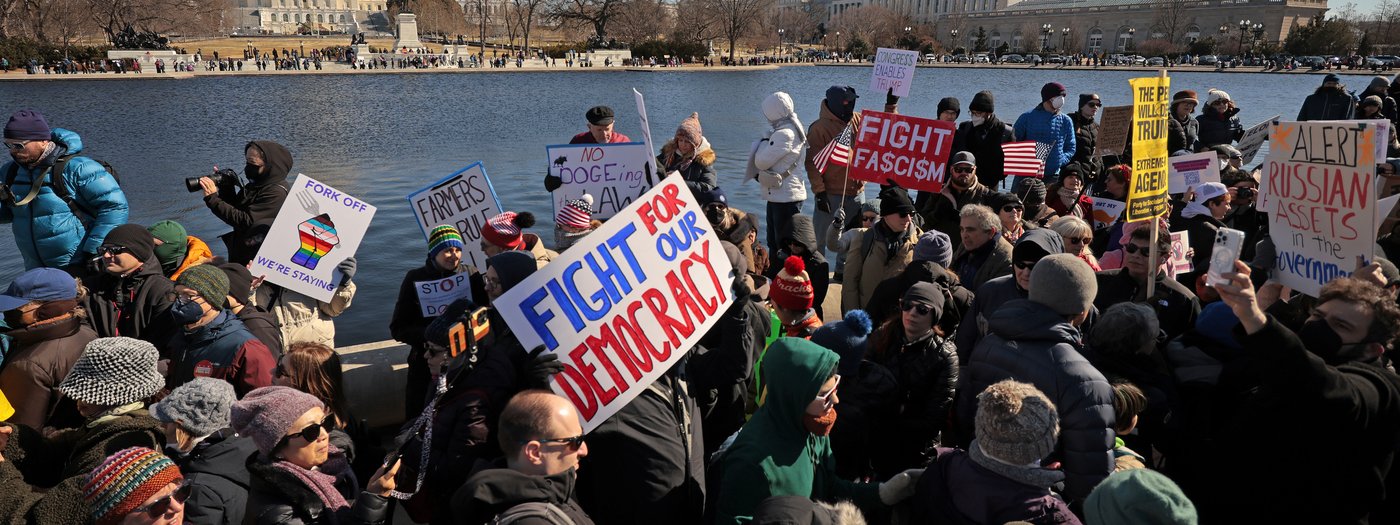
Lee Drutman outlines how this winter of discontent for U.S. politics could spring seeds of renewal.

Student parents need child care to succeed. Here’s how two colleges are using data to better support their parenting student populations.
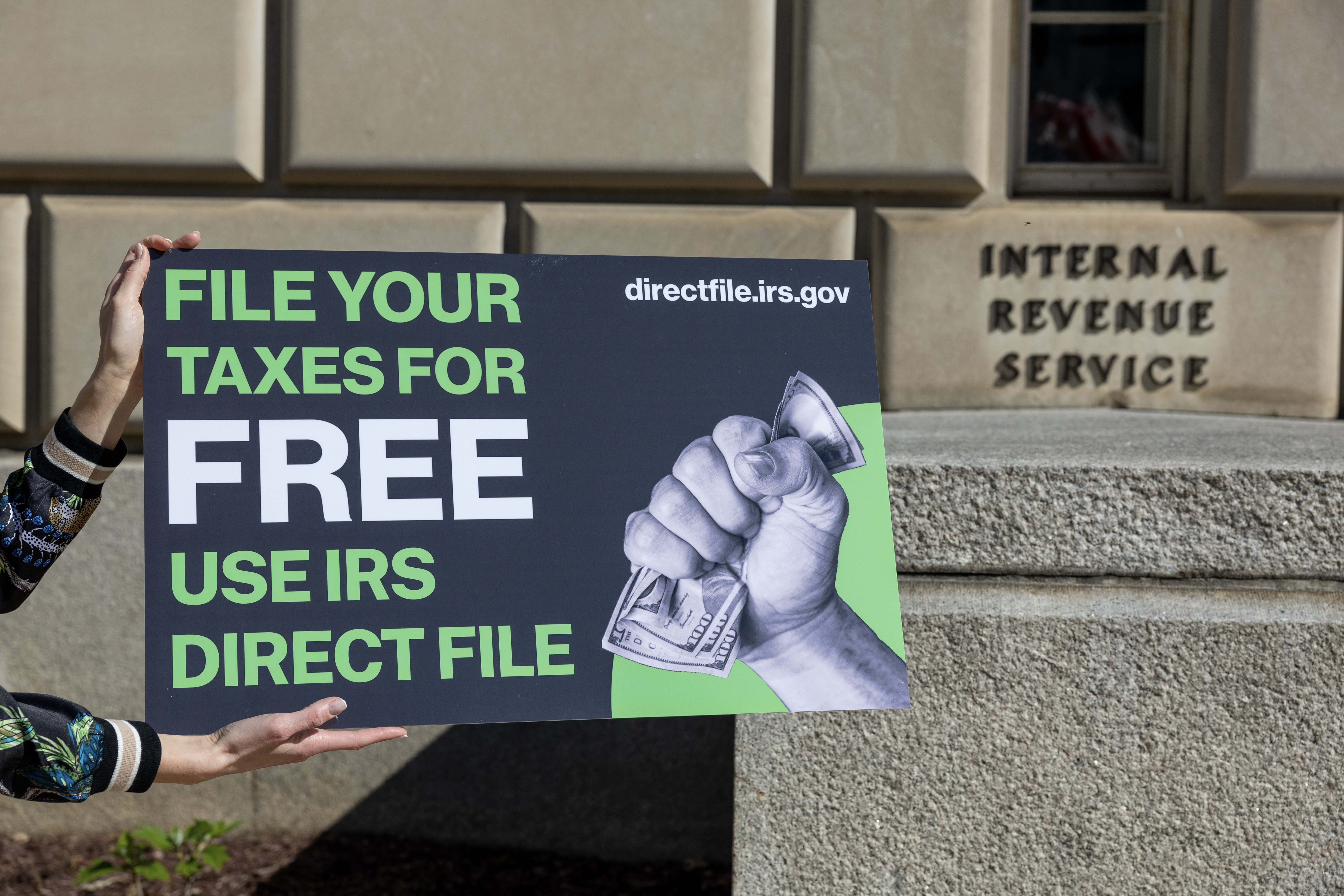
Direct File is a free tax filing service that works. But some politicians want it gone.

America’s tariff wars may sound tough on China, but they’re offering little relief for African economies in the crossfire, argues Ken Opalo.


How does the world change when U.S. foreign policy veers off the rails? Heela Rasool-Ayub weighs in.

Rigorous Department of Education research on career and technical education is at risk.

Oklahoma’s recent proposal highlights the dangers of block granting federal education funds.

Hollie Russon Gilman was quoted in the Harvard Law Review on collaborative governance practices in the United States.

The local library is at risk—Sarah Gilliland explores why now is the time to rethink how they’re funded.

This example letter and commentary provide guidance on requesting eviction data from a local or state court.

Shalin Jyotishi is quoted in Yahoo Finance discussing how community colleges can boost workforce development.