
Disability in the United States at 250
A timeline of U.S. disability history and a reflection on its resonance as the nation turns 250.
Big ideas, bold solutions. Explore the latest research, analysis, and policy insights from our experts.
A timeline of U.S. disability history and a reflection on its resonance as the nation turns 250.


Zahava Stadler writes in Mississippi Today that smarter school district boundaries could reduce funding inequality in Mississippi.
The Trump administration’s decision to move special education out of the Department of Education will reverse progress and weaken protections for students with disabili…

The federal government is depriving children of their right to an education by locking them up in family detention facilities.

Lisa Guernsey joins the podcast Remaking Tomorrow to discuss resources communities can use to build their own learning landscapes.

Federal cuts to healthcare and safety net funding will squeeze state economies and budgets, threatening state spending for public schools.

This updated policy brief offers new resources and insights on artificial intelligence for students with disabilities.

Five questions facing the new National Commission on Learning Ecosystems with preliminary answers from reports and case studies.<…
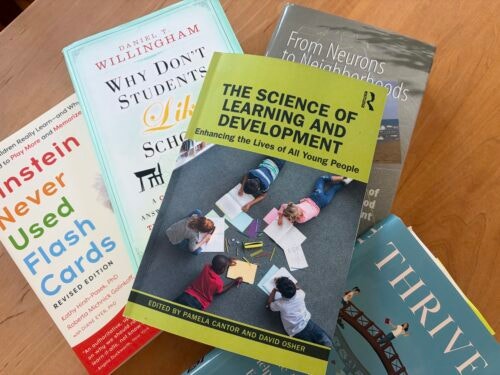
Scientists have uncovered what helps activate learning in children and adolescents. Now the challenge is to apply these insights in and out of school.

New America’s Disability Policy initiative submitted comments to the Department of Education on its new data collection via the National Study of Special Education Spending.
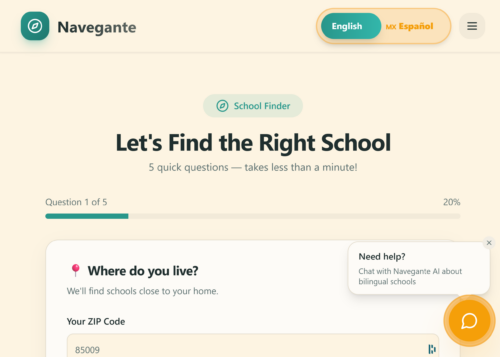
The political climate in Arizona has stifled bilingual education. One student is trying to change that.

These are the members of the National Commission on Learning Ecosystems, a two-year project of the Education & Work program at New America.

Three stories from educators in school districts show what it's like to live in a community rich in culture and resilience, but not property tax capacity.

A new brief identifies key barriers preventing Title III from fulfilling its goals, making the case for continual federal involvement.