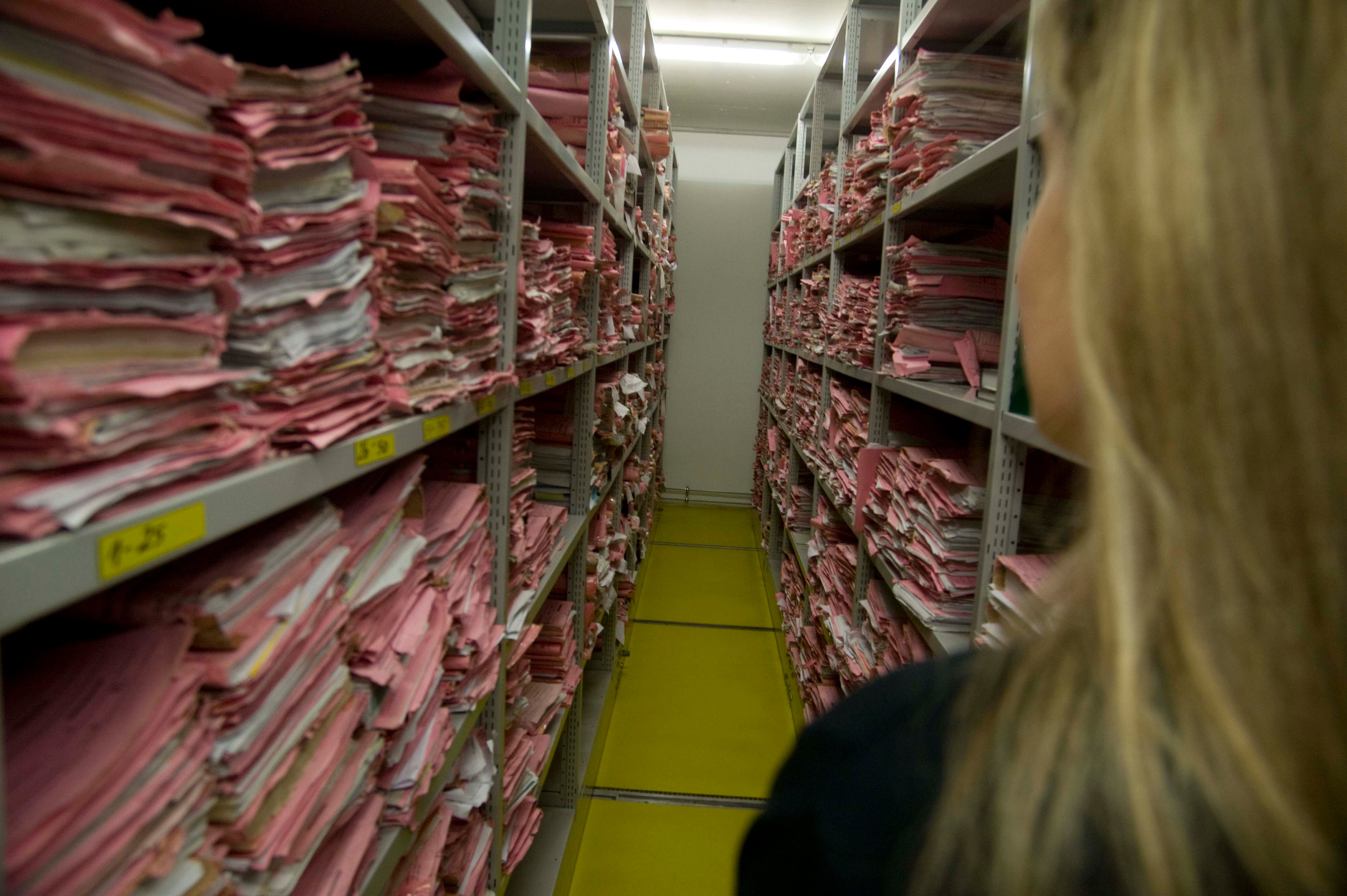
What Court Eviction Data Will Never Tell Us
The fact that the primary data source on evictions is information generated in court records means that our knowledge of evictions is largely limited to one kind of eviction: formal evictions that occur when landlords use the legal process to regain possession of their property. And yet, most evictions in the United States occur outside the court system, informally, illegally, or by default, when landlords do not renew a lease.
- Informal evictions: Informal evictions commonly occur when landlords use intimidation, harassment, or neglect to either force a tenant to move or enforce rent collection outside the court system. Informal eviction can occur through harassing or threatening tenants to move out; paying tenants to move out (e.g., “cash for keys”); or refusing to make necessary repairs such that a home is uninhabitable. Because informal evictions occur outside the court system, and do not leave a data trail, they are difficult to track.1 And yet, estimates suggest that informal evictions are twice as common as formal, court-ordered evictions.2
- Illegal evictions: Court eviction data also excludes information on illegal evictions, or forced removal that is in violation of state or local laws.3 What constitutes an illegal eviction differs across the country, but “self-help” evictions, in which landlords change the locks, or cases when a landlord removes a tenant’s belongings, or shuts off utilities without proper notice, are common illegal actions taken by landlords. Similar to informal evictions, illegal evictions occur outside the court system, and lack a formal data trail. However, a nationwide survey of legal and civil aid lawyers during COVID-19 found that 91 percent of respondents saw illegal evictions in their jurisdiction.4
- De facto or no-fault evictions: A common tactic landlords use to regain possession of their property outside the court system is by not renewing a lease, even when a tenant has not otherwise violated its terms. This practice is only illegal in a few jurisdictions that have “just cause” protections in place.5 A handful of jurisdictions require landlords to notify the local government if they terminate a tenancy, which would presumably capture the scale of de facto evictions, but requiring this kind of notice is not common.6
By definition, court eviction data is information gleaned from key actions related to an eviction lawsuit, meaning that any kind of forced displacement that occurs outside the court system will not be captured.
Citations
- Zainulbhai and Daly, Informal Evictions, source.
- Zainulbhai and Daly, Informal Evictions, source.
- William H. Woodwell, Jr., Key Factors in U.S. Housing Insecurity: Illegal Evictions and the Role of Civil Legal Aid, (Washington, DC: Legal Services Corporation, 2023), source.
- National Housing Law Project, Stopping COVID-19 Evictions Survey Results, July 2020, source
- All In Cities, “Just Cause,” PolicyLink, 2022, source.
- “Hayward California: Helping the City Obtain Court Eviction Data for the First Time,” April 18, 2022, New America Blog, source; and Fanilla Cheng, “Why It’s So Hard to Gauge the Extent of California’s Eviction Crisis,” New America (blog), June 3, 2021, source.