Jeremy Bauer-Wolf
Investigations Manager, Higher Education
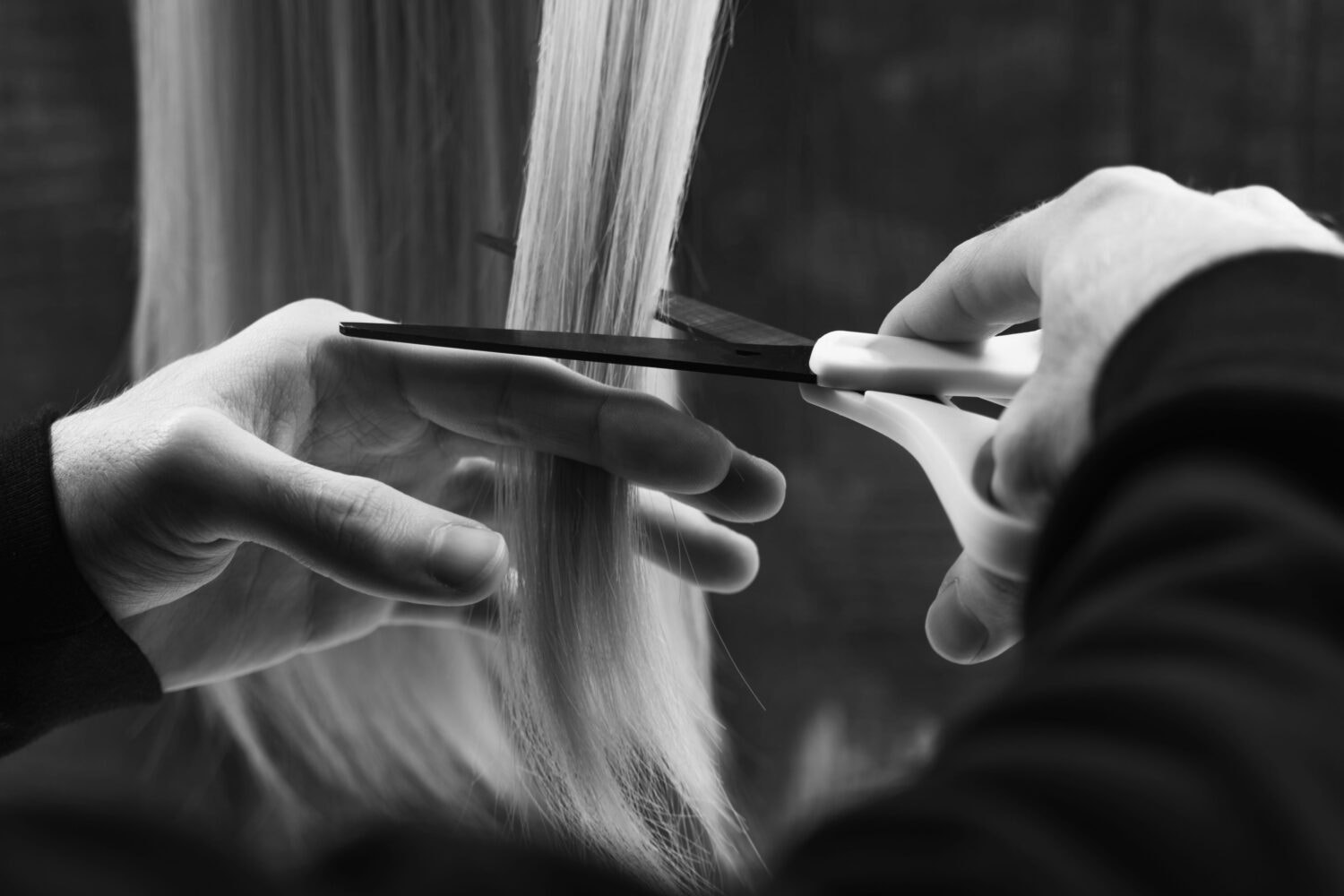
The Trump administration has greenlit predatory, for-profit cosmetology schools to continue feeding on students’ federal student aid—even while their graduates are not landing jobs that pay enough to cover the debts they’ve accumulated.
For decades, for-profit beauty colleges have shaped their business model around enrolling students eligible for federal financial aid, which encompass Pell Grants, benefiting the nation’s poorest families. This strategy carves out a reliable, taxpayer-funded revenue stream for these schools. The beauty school lobby has also pressured states to maximize the hours needed for licensure, extending training not for students’ benefit, but seemingly to keep financial aid flowing longer, as we uncovered last year.
As students hand over their limited financial aid, these schools aren’t holding up their end of the bargain of upward social mobility. This is the premise of higher education, to help level the socioeconomic field, and the reason the federal government helps fund it. But about 90 percent of graduates of large, for-profit conglomerate beauty schools fail to earn more than they would have with just a high school diploma, according to our findings. These are some of the most prominent names in the field: Paul Mitchell and Empire Beauty schools, for example.
Congressional Republicans opted to address the problem of poor-outcome colleges broadly in the One Big Beautiful Bill Act, or OBBBA. The legislation set new accountability tests—known as “Do No Harm” metrics—for most higher education programs, mandating that graduates’ median earnings exceed those of a typical worker with only a high school diploma.
That policy guardrail was borrowed from a version of the gainful employment rule, which the Obama administration first regulated on, and which set out similar earnings tests for career colleges and certificate programs. The cosmetology industry had been the chief opponent of this regulation, suing over it on multiple occasions.
When OBBBA became law, the Education Department chose to align the newly-created “Do No Harm” test with gainful employment, also called the GE rule. The result was a weaker iteration of the GE regulation. Now, if a higher education program doesn’t meet the earnings benchmark, then students can’t use federal loans to pay for it.
But the GE rule would have cut access to all federal financial aid to failing programs, not just student loans. This is a huge coup for the cosmetology industry, because many beauty school students pay for their education purely with Pell Grants, not loans.
Even this marginal oversight has proven too much for the cosmetology education sector. It mobilized its highly influential lobby to flood the media and the Education Department with anecdotes about how the new rules would disadvantage vulnerable, low-income students, and block them from walking their chosen career path. Cosmetologists earn a significant chunk of their income through tips, which the new earnings metric wouldn’t capture, the cosmetology lobby and its supporters argued.
That’s wrong. Tips only account for about 8 percent of earnings in personal services fields, which includes cosmetology, according to research from the Postsecondary Education & Economics Research, or PEER, Center at American University. Accounting for those tips would likely not change whether a particular program passed the earnings test.
The cosmetology lobby made a similar argument when it sued over the gainful employment rule, one which the first Trump administration actually rejected. In one court filing in 2017, attorneys for the federal government wrote there was “no evidence of unreported income being an actual—much less widespread—practice among cosmetology program graduates.”
Trump 2.0 was persuaded by the tip argument. Late last month, the Education Department said it will delay enforcing part of the rule for programs whose graduates receive tipped income.
Starting with the 2026 tax year, tip income will no longer be taxed—so the government is letting cosmetology programs wait until that untaxed income shows up in their earnings data before facing any consequences. But because of the way the Education Department is reviewing earnings, over a period of multiple years, the earliest these excluded programs would lose access to federal loans would be 2029, according to the PEER Center.
“In other words, low-earning programs that qualify for this delay won’t experience a single real consequence until another administration is in the White House,” PEER Center researchers wrote in a recent report.
This is an unacceptable outcome. Postponing sanctions could mean that schools that are failing students may never be held to account. And students are bearing the cost, in many senses.
Our reporting found that not only do cosmetology students at for-profit schools often fail to lock down decent-paying jobs, but their on-ground instruction is often weak and outdated. Students told us that frequently they learned irrelevant techniques, like perms, but none for textured hair. Their instructors would not show up to class, or they would record students as completing lessons they had not, our interviews found. Students generally never learned how to run a business, or promote themselves, either.
In some of the worst cases, students are scammed outright. One prominent beauty school in Iowa, La James International College, has been continually sued for more than a decade, including one in 2020 when a group of students filed a class-action suit, alleging it had violated state law by illegally withholding student aid for living expenses. In 2021, a state audit revealed La’ James had continually provided misleading information about students’ financial aid, prompting a settlement in December 2022 with the Iowa attorney general.
The Trump administration is giving favors to these types of institutions, rather than the students suffering at their hand. And it’s lending credibility to the cosmetology industry’s central narrative that these schools are defenders of students, not predators.
Cosmetology programs help the “single mother who sees beauty as her path to independence,” John Paul DeJoria, the founder of Paul Mitchell, wrote in a Fox News essay published in May.
“The veteran looking for a stable second career. The young entrepreneur who dreams of owning her own salon. These are the people who built this $100 billion industry — and the people who will lose the most if it is starved of new talent and fair access to education,” DeJoria wrote.
DeJoria has no interest in helping students. He is a multibillionaire, far from the 20-year-old upstart sleeping in his car when he founded Paul Mitchell, as he presented himself in his writing. He built his wealth on a franchise of schools that have faced repeated allegations of stripping students of their financial aid, while treating them like unpaid labor. In a federal class-action lawsuit more than a decade ago, former Paul Mitchell students accused the company of making them perform the same work as licensed stylists, without pay, while pushing them to sell its products to maximize profit.
At one Paul Mitchell branch I reported on personally, in Knoxville, the school’s accreditor flagged it for financial instability more than a dozen times over 13 years, and it let it keep enrolling students the entire time, even as barely 3 percent of them graduated on schedule.
That school eventually closed, but many more like it are out there—Paul Mitchell has over 90 campuses nationwide.
The Trump administration has blared repeatedly that it wants to root out fraud and waste in the government. It could have proven that by denying federal money to colleges that leave students saddled with crushing debt loads and bleak employment prospects. It chose the schools instead.
Investigations Manager, Higher Education