Peter Bergen
Vice President, Global Studies & Fellows; Professor of Practice, Arizona State University
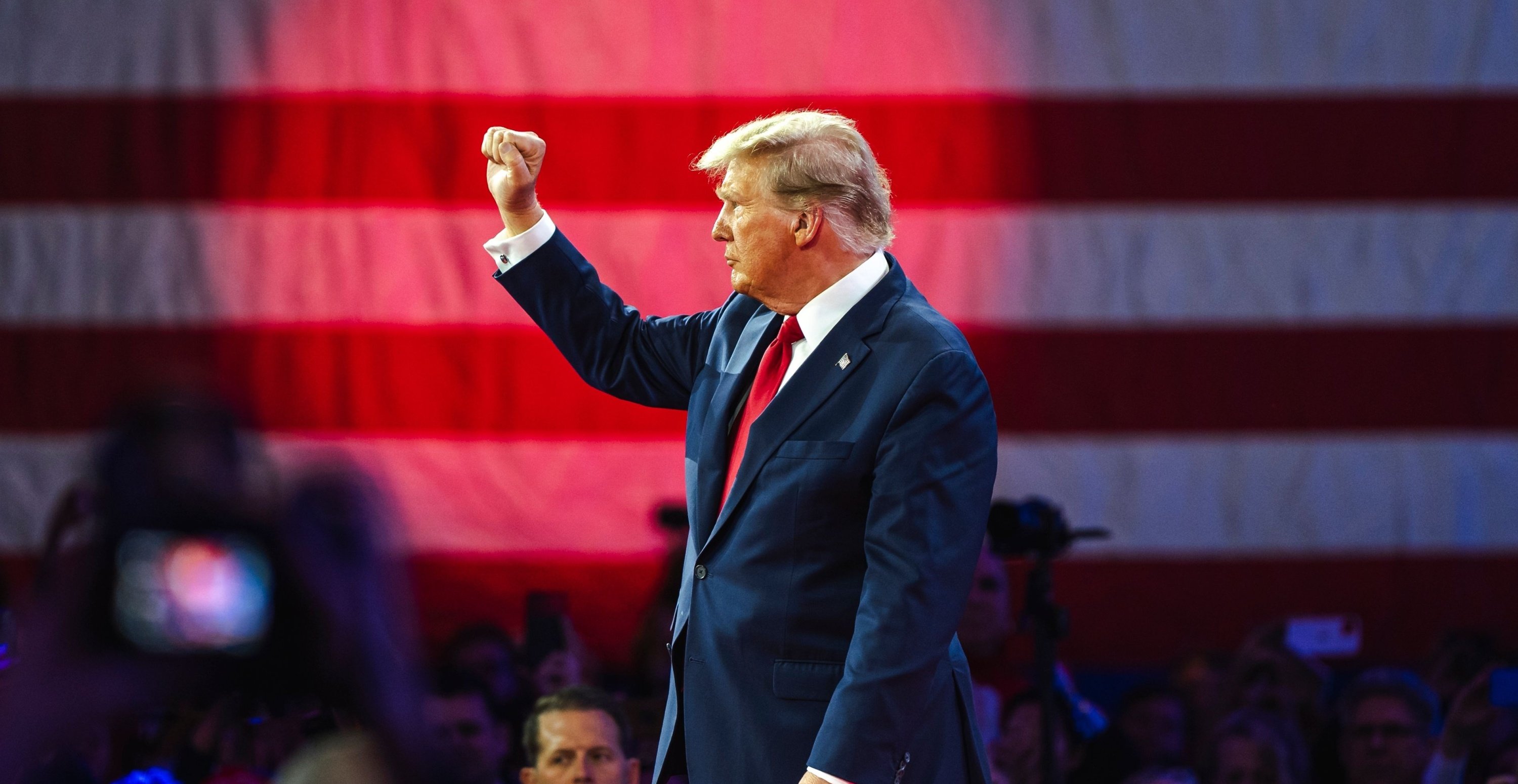
Last week, former President Donald Trump’s longest-serving chief of staff, John Kelly, publicly described his former boss as a “fascist.” Trump, predictably, dismissed him as a “nut job,” though the sober, retired four-star Marine general seems anything but.
At a CNN town hall, Vice President Kamala Harris was asked if she agreed with the assessment that Trump is a fascist. Harris’s response? “Yes, I do.”
The term “fascist” has a particular resonance these days. Around the world, we are witnessing what some refer to as “democratic backsliding,” or a decline in democratic values and institutions. In Hungary, Viktor Orbán has transformed a once-vibrant democracy into a nationalist, quasi-authoritarian state. Meanwhile, in France, Marine Le Pen’s far-right party has moved from the margins to become an important player. In Germany, the Alternative for Germany (AfD) party has become the first far-right party to win a state-level election since World War II. In India, Prime Minister Narendra Modi is attempting to turn the world’s largest democracy into a Hindu nationalist state. And in Turkey, President Recep Tayyip Erdoğan has spent more than two decades chipping away at the country’s democratic institutions to create a more conservative, repressive nation.

Though it might evoke grainy newsreel footage of Italian dictator Benito Mussolini in the 1930s, the “fascist” label is back in play. Given that the term has resurfaced ahead of the upcoming U.S. presidential election, it’s worth examining what “fascist” truly means and whether Trump might qualify.
For this, I consulted Anatomy of Fascism by Robert O. Paxton, a leading historian of fascist leaders and movements. Paxton’s 2004 book offers something of a handy checklist for what makes for a fascist movement and its leader—one that is still relevant two decades later. Several of these attributes seem to apply to Trump and Trumpism well. I outline them below.
In short, working from Paxton’s fascism checklist, John Kelly’s assessment that Trump embodies fascist traits doesn’t seem too far off the mark. The debate around this characterization is all the more critical as we approach the U.S. presidential election. The Trump team has repeatedly said they will staff a second Trump term with loyalists and purge those who are perceived to be disloyal. Trump has also made it clear that the U.S. military should be loyal to him rather than the Constitution, which they have sworn an oath to protect. It is for these reasons that Kelly seems to have spoken out now as Election Day approaches, before it’s too late.
Vice President, Global Studies & Fellows; Professor of Practice, Arizona State University