
Table of Contents
- Checklist
- Introduction
- Household Economy
- Community Resilience
- A Pandemic of Racism
- Election Integrity
- Healthcare Surge Capacity
- Supply Chain Management
- Universal Access to Digital Services
- Banking and Payment Systems
- Economic Resilience
- Future of Work
- Epidemiological Readiness
- Porous Lines of Defense
- Institutions
- Policy Considerations
Universal Access to Digital Services
If there was any silver lining in terms of systems that were clearly resilient before the pandemic struck, it was the World Wide Web. The internet, that global network of decentralized routers and undersea cables that form the backbone of the modern economy, endured its greatest test yet without breaking.
Almost overnight, the entire planet went to remote work, schooling, and hundreds of millions of video conference calls for events as important as cabinet meetings and as routine as birthday parties. In all, demand surged to peak levels around the world, and technology firms were at once the world’s greatest source of business continuity and the biggest winners from the crisis.
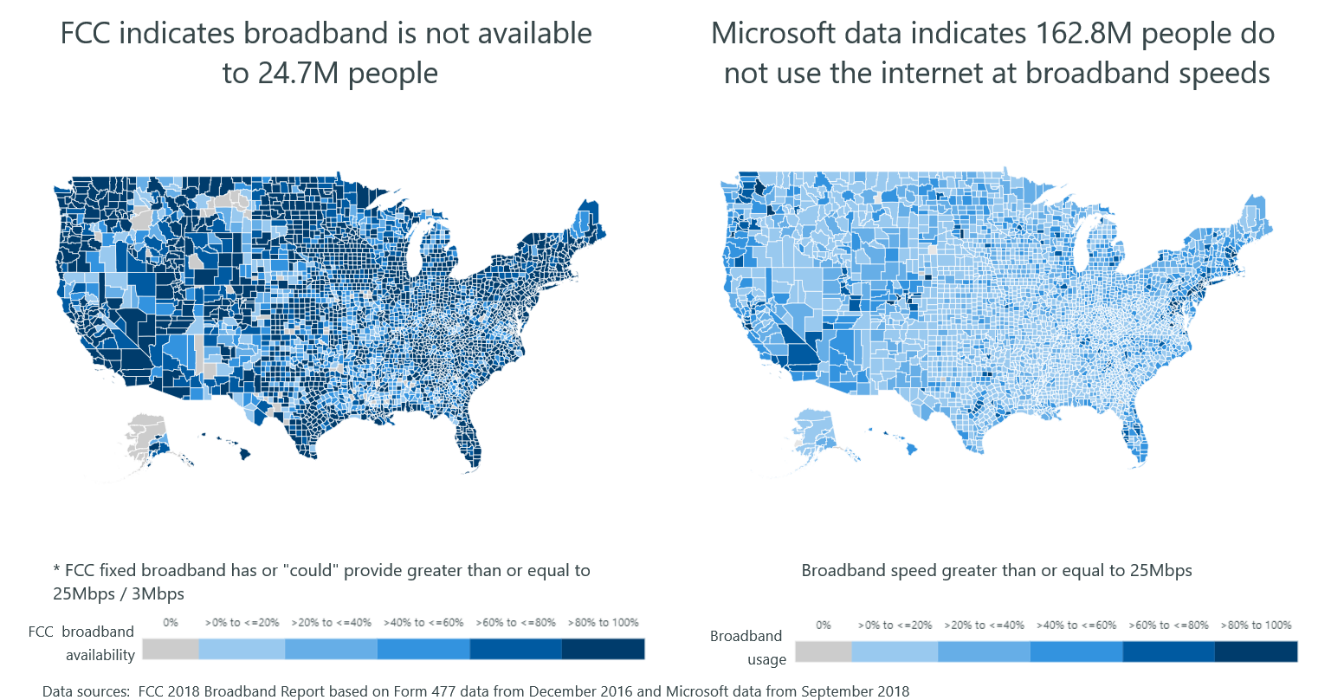
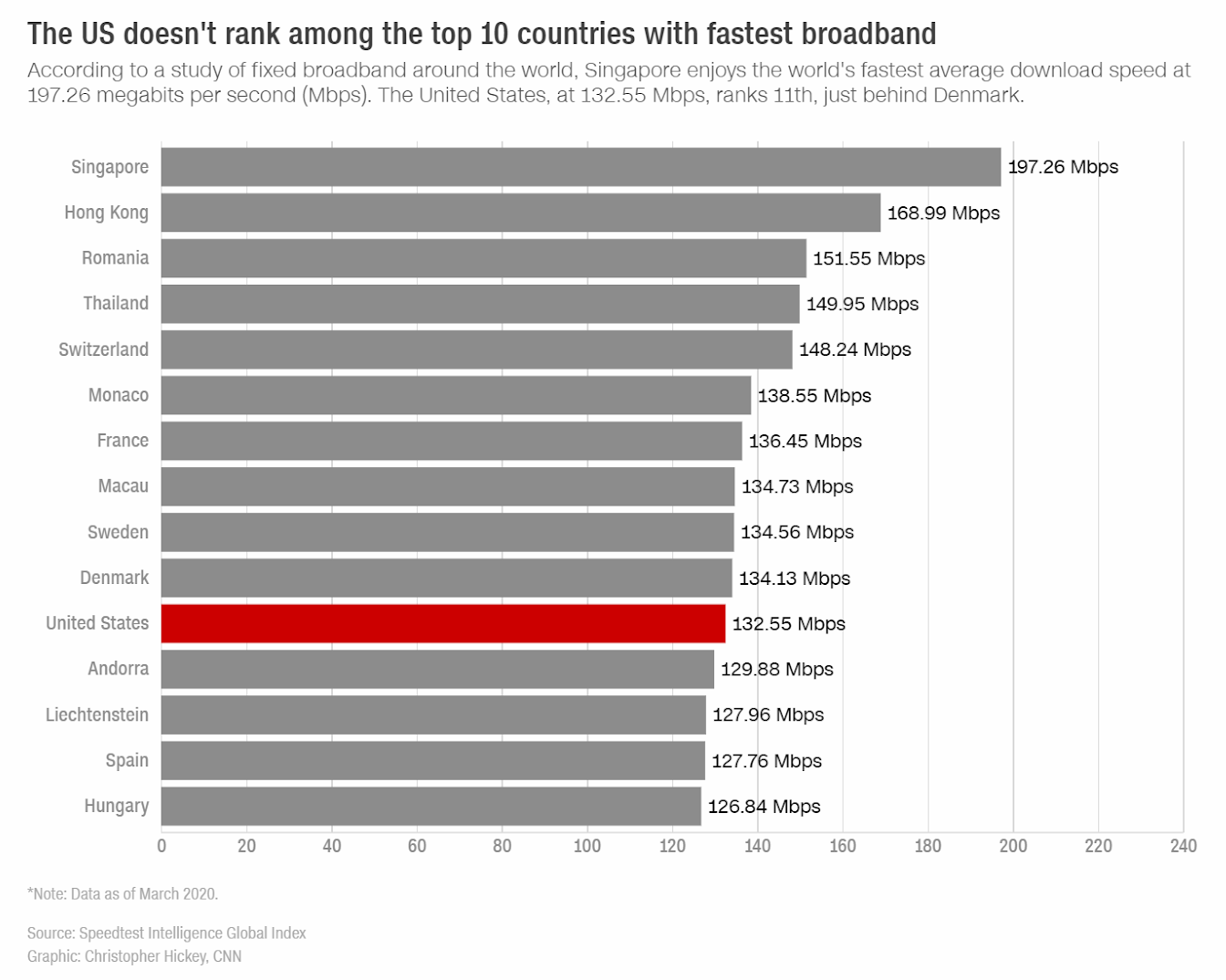
This raises important questions about extending the perimeter of high-speed internet access to include people and communities who are on the margins or who cannot afford the types of modern accoutrements on the hardware side of things to remain current and connected. While the internet itself did not collapse, low-cost, reliable, and high-speed access remains a challenge in the United States and certainly around the world, where 41 percent of the population have no internet access.
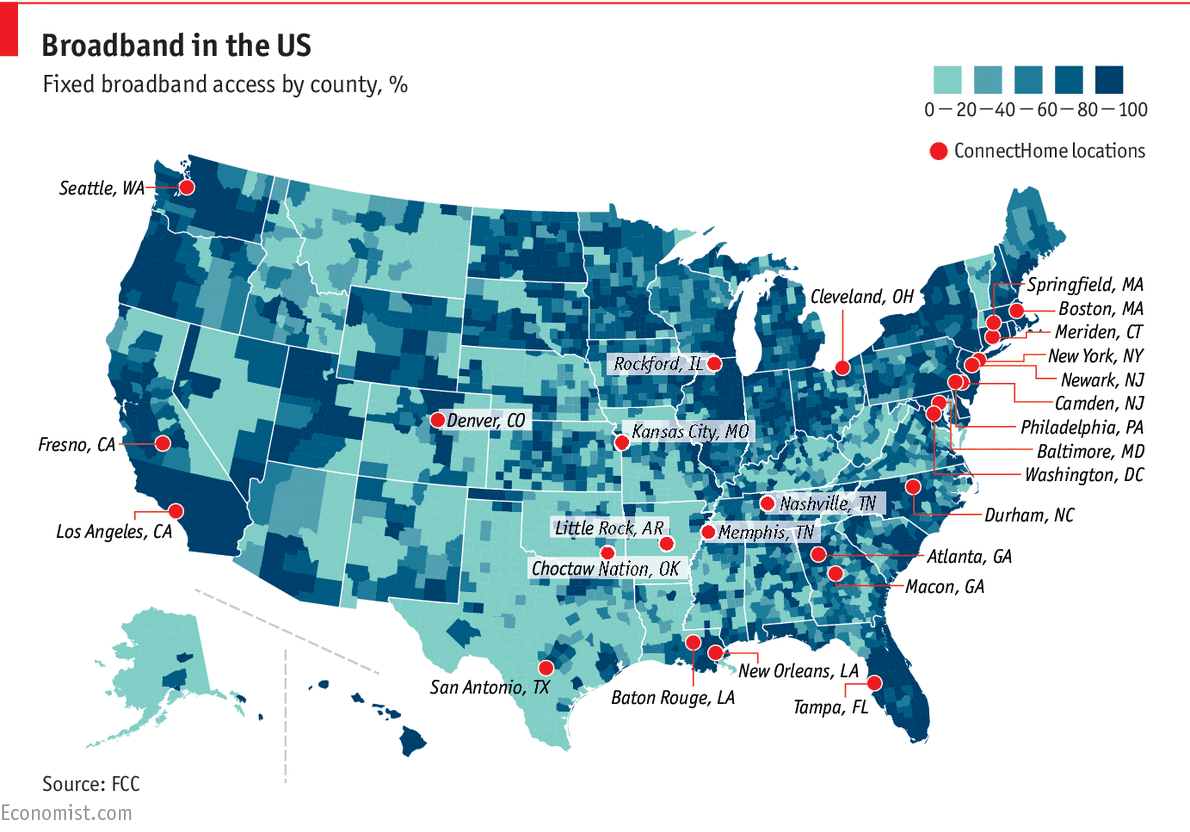
Low-income populations, particularly public school children, teachers, and rural communities were hard hit by the lack of reliable connectivity at the network provider, hardware and software levels. It did not help that for many of these communities, particularly in Title 1 schools or for single parent households, remote learning without reliable connectivity, on an empty stomach, and jeopardized sources of household income made much of the school year a write off for many households.
Here too the private sector stepped up support by waiving or lowering internet connection costs or providing wireless hotspots as teachers and communities implored them for support. For so many, technological literacy and living or operating in areas with high-speed connectivity proved to be a major difference maker for all facets of business continuity or normalcy. This raises the question of whether or not the internet and universal access at high-speeds should be viewed as a public good—a core protocol layer for universal information sharing and communication—rather than a source of rent seeking for firms.
Indeed, the domain of population scale, open source technologies is a vital area of ongoing work in both the public and private spheres. Clearly the investments in these technologies need to be recuperated, this is where the so-called “application layer” can exist on top of digital commons. After all, the research and development costs for building the internet was in fact a breakthrough courtesy of the long investment horizon of the public balance sheet. Now, so many tech titans call the internet home, through which they gain market share, access, and competitive advantage through offering differentiated services. Should the same standards not hold true across a range of essential services in the public interest? What balanced model can emerge enabling every U.S. household to have reliable, high-speed internet access and the computational power necessary at the hardware level to enjoy the on-ramps to the twenty-first century?
Indeed, at the peak of the crisis (at least its first wave), universalizing access to technology became a public policy priority, however short lived. First, policymakers called for a digital wallet available as a public good for every American, which would have enabled a digital dollar to speed up direct relief payments to citizens in the $2.2 trillion dollar stimulus bill. While this concept was short lived in the CARES Act, it nevertheless raises important questions about how digital and analog systems can coexist to improve optionality. If, as originally proposed, Americans had broad access to digital wallets, it would merely enhance choice and ensure that if ever one of the many banking or payments options fail, there is redundancy in the financial system. Indeed, this concept would hold true across a range of issues outlined in this report.
If the only classroom that could hold students and amplify their minds was made of cinder blocks and not supportive of distance learning on small screens, we would be worse for wear. If the only way to vote was to wait in a long line and cast a physical ballot rather than a mail-in or digital vote, the lack of optionality would imperil voter participation and enfranchisement—certainly a real risk as the prospect of a second wave coinciding with the general election in November seems likely.
High-trust, high-assurance open source technology is at the heart of addressing these issues and adding more redundancy and ease of use for the provision of a wide range of citizen services. Open source software (OSS) renders the source code underpinning a digital system publicly available for others to use, copy, learn from, and modify for their benefit. In a public sector context, OSS allows governments to build digital systems that can not only meet needs in their communities but also be easily replicated by other jurisdictions anywhere in the world. OSS is particularly powerful in times of global crisis, like the coronavirus pandemic, when governments have urgent needs that demand similar solutions. Using OSS, governments can collaborate and share world-class digital systems to ensure societies and citizens of all capacities have access to digital infrastructure. A number of pioneering governments adopted OSS during the pandemic both within countries and internationally. For example, the state of Alabama is now using a COVID-19 information hub developed by the state of New Jersey, and the city of San Francisco is harnessing data platforms developed by the municipal government of Tokyo.
An example of critical digital tools that could be developed and scaled with open source code are digital contact tracing technologies. To date, only the State of Virginia has released a contact tracing app and has yet to publish its source code. The Virginia app, COVIDWISE, uses a Bluetooth API created by Apple and Google to trace the location of potentially infected carriers. In the meantime, other states are pursuing contact tracing apps through their own procurement processes. If U.S. states had coordinated an effort and pooled resources to build a modular, interoperable, open source solution, each state could have quickly integrated that system at low cost to provide nationwide contact tracing coverage. The contact tracing technology produced by fragmented, duplicative, proprietary development efforts have been slow and inaccessible for most states. While some solutions with a global focus have been developed using open source code, including Singapore’s TraceTogether and PathCheck Foundation’s COVID SafePaths solutions, the U.S. states have not yet become accustomed to relying on open source technology. Adoption of critical public sector technologies like digital contact tracing within the United States will be suboptimal until governments at the local, state, and federal levels can create better governance strategies to coordinate software development and deployment and ensure wide adoption.
The bedrock for these services to emerge is a well-functioning, robust high-speed internet connection, which should be universally available and as cost effective as possible as part of our digital commons. We only know how dependent we are on this connectivity when we no longer have it or household, business, operational, and educational continuity depend upon it. The pandemic should invigorate the drive to improve the speed, coverage, and access to the internet, which proved to be one of the few resilient systems that withstood the onslaught of a global shutdown and an overnight transition to remote work.1
Citations
- For more of New America’s work on universal access to digital technology and its benefits to all communities, check out its Open Technology Institute, source