
Eviction Uniquely Shapes The Lives of Black Women
Better Life Lab senior writer and editor Julia Craven joins Vox’s The Weeds to discuss the impact of eviction on Black women.
This fall, a groundbreaking study from the Eviction Lab found that the group most at risk for evictions in the U.S. is small children. Households with children are twice as likely to receive an eviction filing as households without children, and every year more than 25 percent of Black children living in rental households receive an eviction filing. A major reason for this disturbing finding is childcare costs are so high that parents and caregivers are forced to make the impossible choice between paying for care and paying the rent.
New America’s Future of Land and Housing program and Better Life Lab sat down with Eviction Lab Director Carl Gershenson to unpack the study, discuss care-related drivers of child evictions, and surface solutions that can keep more children stably housed.
Our work below aims to track eviction’s impact on children in the U.S. and how this informs how we think about childcare.
Better Life Lab senior writer and editor Julia Craven joins Vox’s The Weeds to discuss the impact of eviction on Black women.
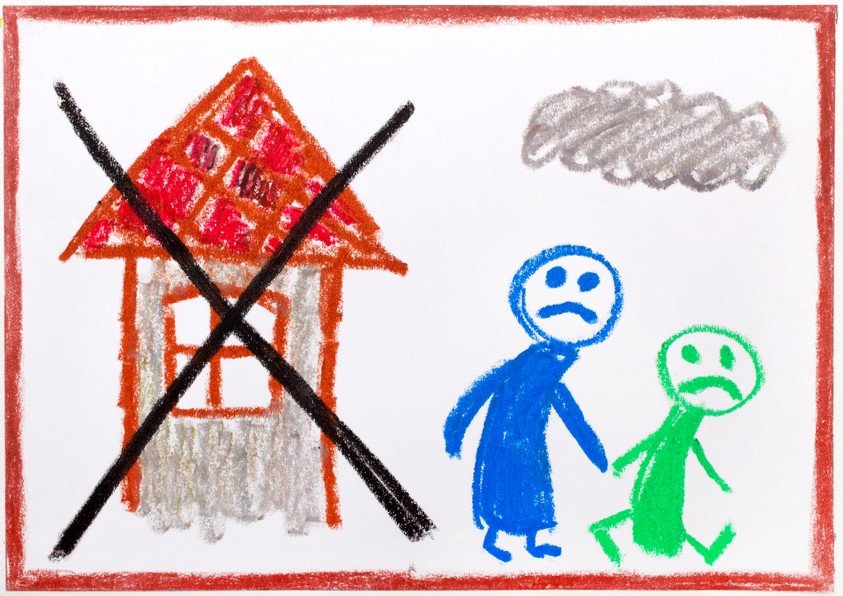
FLH Director Yuliya Panfil and Brigid Schulte, director of New America’s Better Life Lab, co-wrote an OpEd for CNN highlighting recent findings that children under five years old are the group most likely to face eviction across the United States. Panfil and Schulte ask: are sky high childcare costs, and poor availability of care, to blame for this disturbing trend?
Read the full article here.

New America’s Future of Land and Housing program and Better Life Lab sat down with Eviction Lab Director Carl Gershenson to unpack the study, discuss care-related drivers of child evictions, and surface solutions that can keep more children stably housed.
View the conversation here.
Better Life Lab’s Julia Craven explores the severe disruption that an eviction can cause to household stability, which can lead to a cascade of adverse effects on children's health and well-being.
Read the article here.