Citizens’ Assemblies and Mini Publics
Citizens’ assemblies are forums designed to involve citizens in a democratic decision-making process. These assemblies bring together a randomly selected and demographically diverse group of individuals to discuss specific issues facing their community.
Deliberative mini publics (DMP) are a form of citizen engagement in which everyday citizens are randomly selected to deliberate on a policy issue. DMPs help inform stakeholders on creating and developing policies that better serve citizens. This model of sortition has been used to address issues ranging from climate protection in Uster, Switzerland, to urban planning in Vancouver, Canada.
Key features of citizens‘ assemblies and DMPs include representation by sortition, discussions and deliberations on a particular issue, involvement of experts to provide information and insights, and the co-production of recommendations or decisions at the end of the process. These assemblies have been employed globally on various issues, such as climate change, constitutional reform, and city budgets.
See our collection of work exploring this model of civic engagement below.
Publications
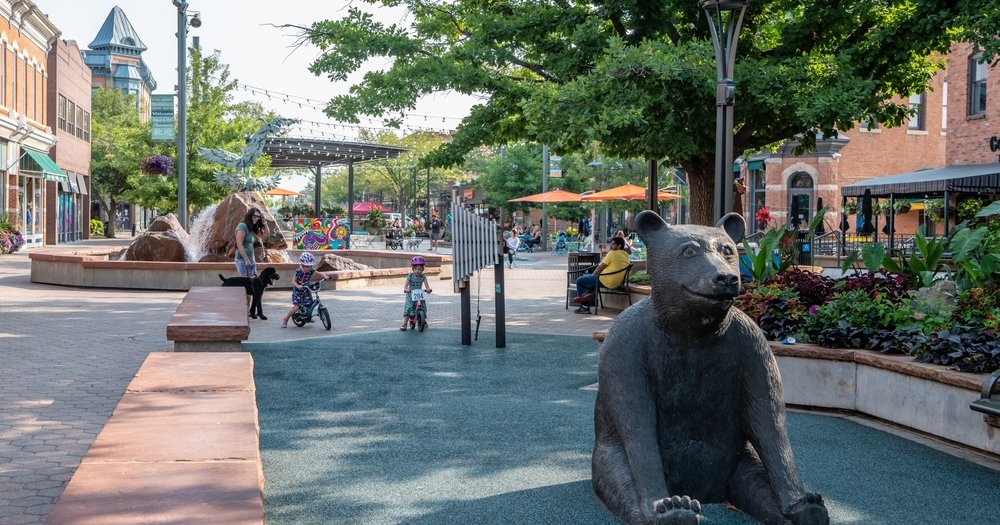
Civic Assemblies in Action: Lessons on Civic Engagement from Fort Collins
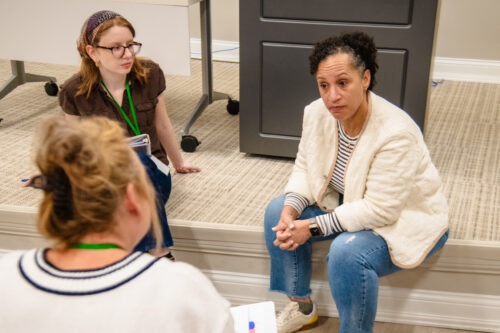
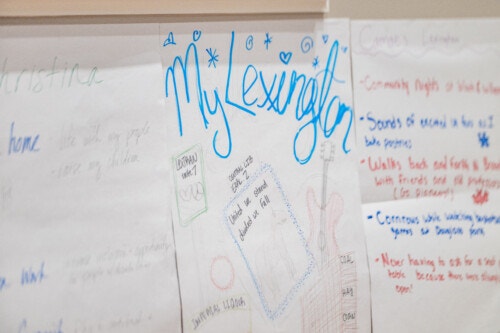
This blog post explores the high level take-aways from an event that New America hosted on April 16, 2025. The event spotlighted the civic assembly taking place in Fort Collins, Colorado.
By: Hollie Russon Gilman and Sarah Jacob

How Funders Can Drive Democratic Innovation Through Citizens’ Assemblies
This guide equips funders with a deeper understanding of the citizens’ assembly model, insights into how assemblies can serve as a vehicle for democratic experimentation in the United States, and an example of how philanthropic investment can catalyze democratic innovation.
By: Hollie Russon Gilman, Maya Ingram, Lance Bitner-Laird, and Hillary Hooke.

Engaging Communities for Equitable Economic Recovery
This brief is the first in a two-part series on community assemblies in Washington State. This case study examines how the community assembly model emerged through collaboration between state and local organizations.
By: Hollie Russon Gilman, Sarah Jacob, Faduma Fido, Marcy Bowers, and Deric Gruen



Making Child Care Accessible through a Citizens’ Assembly
This case study explores a pilot conducted in Montrose, CO that utilized a citizens’ assembly model to address the issue of childcare.
By: Hollie Russon Gilman, Sarah Jacob, Harry Nathan Gottlieb, and Matt Byrne

Building the Democracy We Need for the Twenty-First Century
This toolkit delves into collaborative governance frameworks that have been implemented successfully across the country.
By: Hollie Russon Gilman, Grace Levin, Jessica Tang, and Lizbeth Lucero

AI for the People, By the People
This op-ed explores how citizens’ assemblies could be a viable model to govern AI.
By: Hollie Russon Gilman and Sarah Jacob
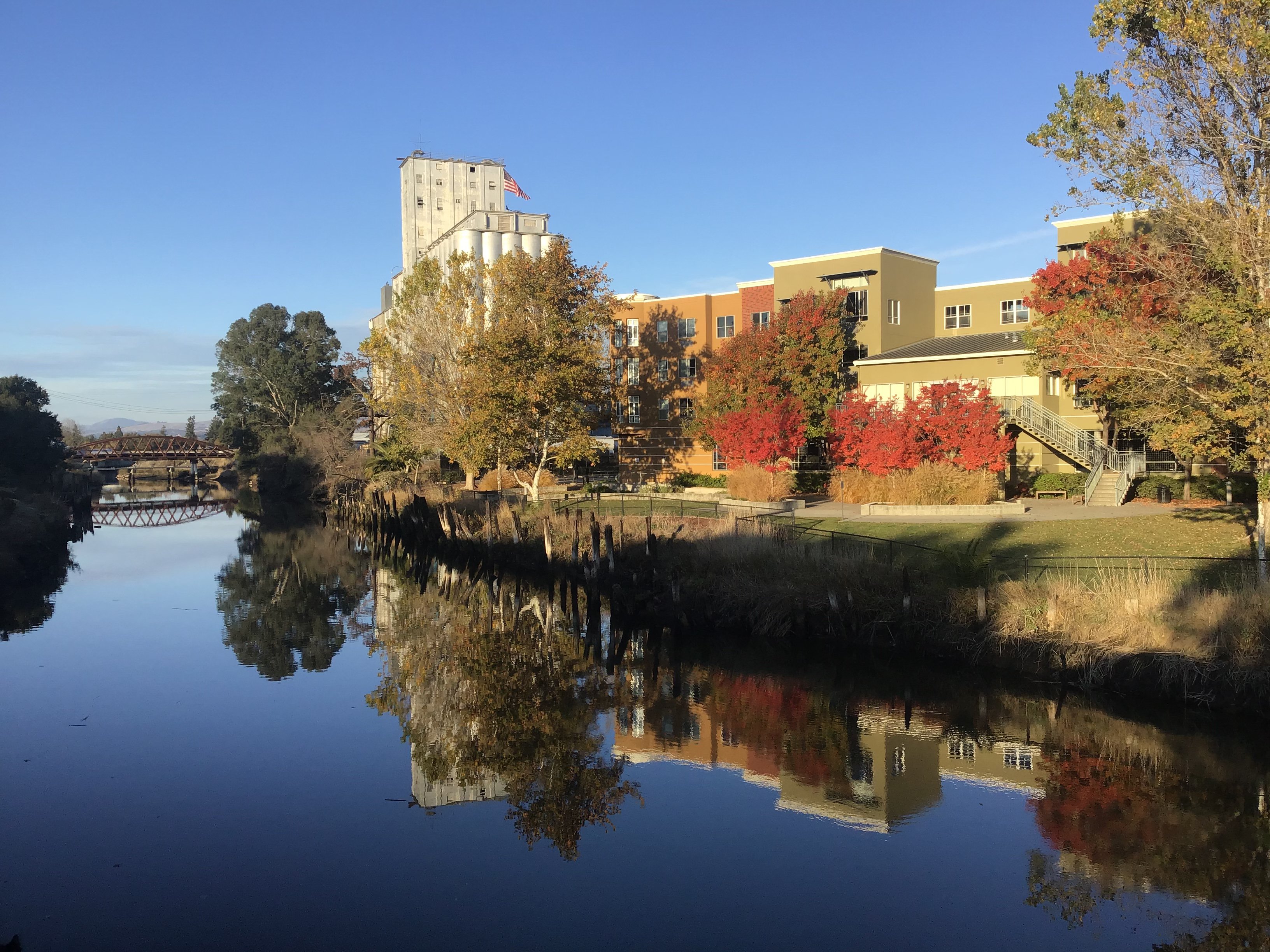
Building the Future of Democracy in Petaluma, California
This case study explores the implementation of a citizens’ assembly in Petaluma, CA to determine the future of the city’s publicly-owned and under-utilized 55-acre fairgrounds property.
By: Hollie Russon Gilman, Lizbeth Lucero, and Peggy Flynn

Exploring Plural Voting as a Method for Citizen Engagement
This case study explores a pilot conducted by RadicalxChange in partnership with Climate Preparedness and Disaster Recovery (CPO) in Colorado. RadicalxChange employed the use of plural voting as a method of gathering citizen input for the CPO.
By: Hollie Russon Gilman, Sarah Jacob, Paula Berman, Alex Randaccio, and Matthew Prewitt


Events
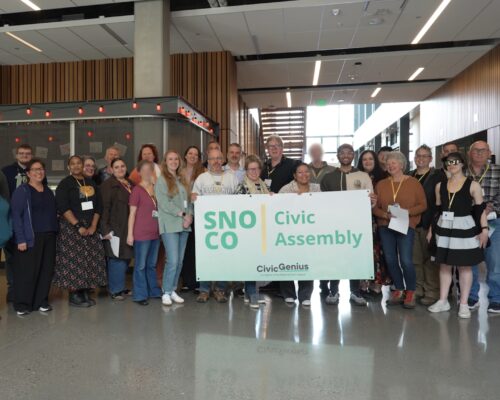
The City of Raleigh’s First Civic Assembly
During this event, we spoke speak with Jillian Youngblood, whose nonprofit, Civic Genius at the National Civic League, facilitated and helped organize the assembly. We also hear from those who lead the process in the city of Raleigh, and an assembly member.
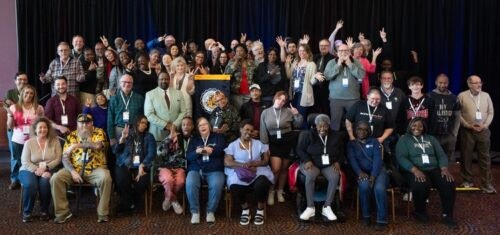
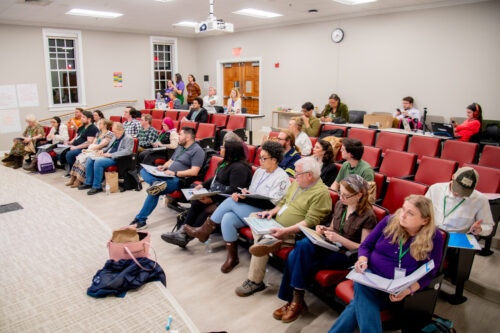

Civic Assemblies in Action: Lessons on Civic Engagement from Fort Collins
In collaboration with the American Public Trust and Local Policy Lab, this event explored the Fort Collins City Council decision to approve $150,000 toward a Civic Assembly focused on one of its most divisive and long-standing local issues: the future of 163 acres of city-owned land.

Testing Public Trust and Institutional Legitimacy
The third event in a series with Columbia World Projects and FIDE – North America. Moderated by Marjan Ehsassi, Executive Director of FIDE – North America, the virtual event featured panelists from the OECD and MASS LBP discussing how processes like citizens’ assemblies can address long-term issues.


Building Civic Assemblies: A Collaborative Approach in Washington State
This virtual event featured leaders from the People’s Economy Lab, Department of Social and Health Services (DSHS), and Front and Centered, who are at the forefront of implementing civic assemblies across Washington State.

Democracy Beyond Elections
This virtual event, the first in a series with Columbia World Projects and FIDE – North America, explored the opportunities and challenges of implementing citizens’ assemblies in the U.S. It featured a fireside chat with Senior Fellow Hollie Russon Gilman and Iain Walker, Executive Director of the newDemocracy Foundation, who shared insights on using citizens’ assemblies to deepen democracy and enhance citizen engagement in Australia.
Partners
The American Public Trust
Assemble the Field
Civic Genius
National Civic League
DemocracyNext
Democracy Rising
FIDE-North America
Hannah Arendt Center at Bard College
Healthy Democracy
Local Policy Lab
MassLBP
Partners for Dignity & Rights
Unify America
YOUnify