
For much of the nuclear age, even the most dangerous crises unfolded within a framework of negotiated limits. Military force was always present, but it was bounded by treaties, inspections, and procedures that defined what was allowed, what counted as a violation, and how disputes would be handled. Today, the firepower remains, but the guardrails that once restrained it are weaker.
Arms control rested on goodwill. Agreements were backed by deterrence and the prospect of punishment. During the Cold War, the United States and the Soviet Union signed treaties while maintaining vast arsenals. Inspections, hotlines, and dispute procedures functioned in the shadow of credible force. Restraint and coercion were linked. Limited uses of force short of full-scale war were part of statecraft, but they operated within a broader effort to stabilize competition through rules.
The shift now is not from diplomacy to force. It is from force operating within rules to force operating without them.
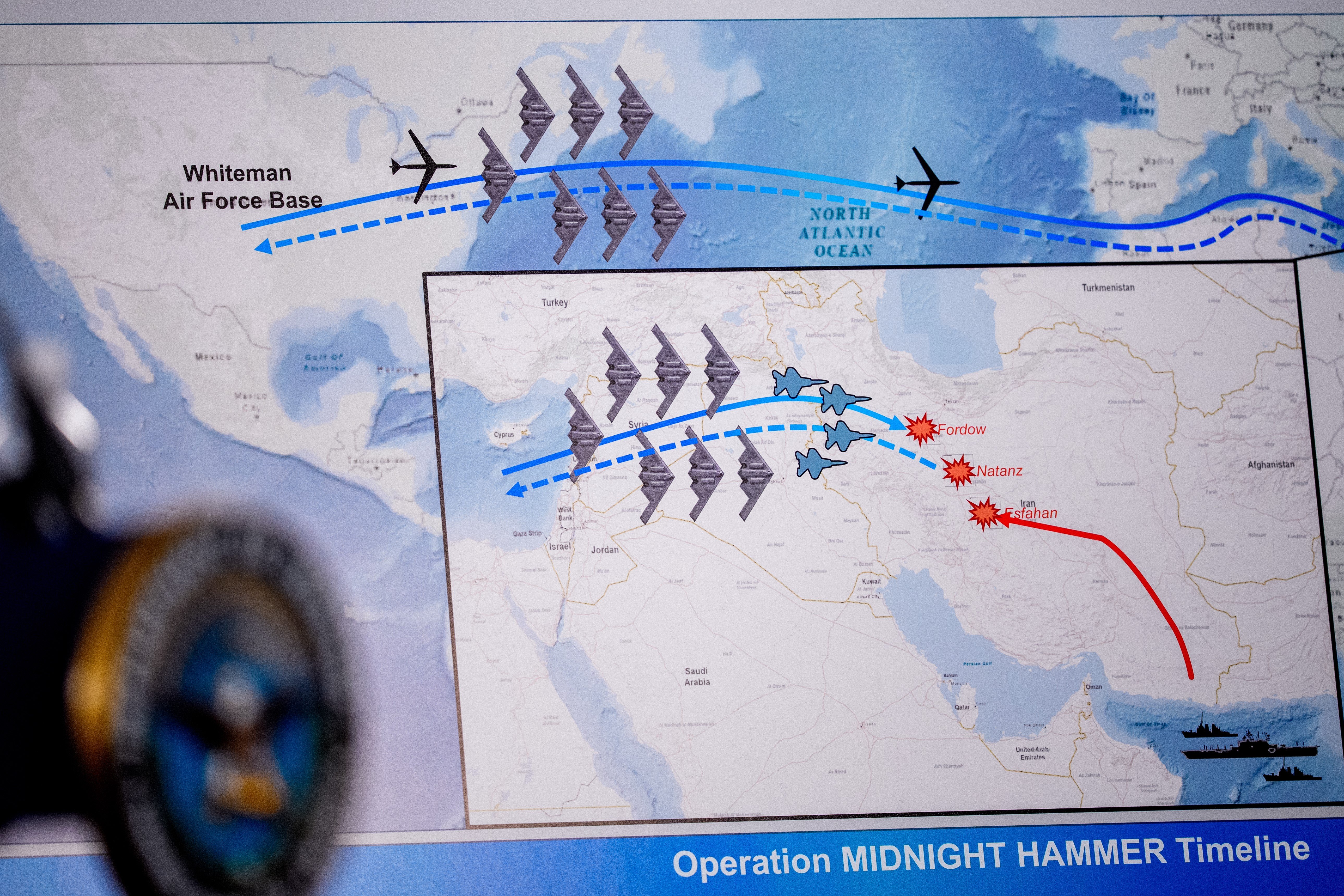
The Iran case shows how that balance has changed. The 2015 Joint Comprehensive Plan of Action (JCPOA) placed Iran’s nuclear program within a detailed framework. It capped enrichment, mandated intrusive inspections, and created clear procedures for resolving disputes. After U.S. withdrawal in 2018, Iran moved beyond its enrichment limits. While not a perfect agreement, during its period of implementation, the JCPOA constrained key elements of Iran’s program and provided transparency that had not existed before. Sanctions pressure and the possibility of escalation helped bring Iran to the table and reinforced compliance. Force stood behind the agreement, not in place of it.