Preface: Notes from a Pandemic
As we finalized this report for publication, the World Health Organization declared the Severe Acute Respiratory Syndrome Coronavirus 2, or COVID-19, a pandemic. Hundreds of thousands of people are infected, and tens of thousands have already died. Global financial markets are reeling, and the world economy is swiftly contracting toward a deep recession. Though the world is still in the early months of this outbreak, there are already lessons learned that are consistent with our findings in this report about how to be ready for natural disasters in a changing climate.
First, early warning and early action are critical for limiting the damage of a disaster. In the case of COVID-19, governments that took immediate and decisive steps with clarity of public communication, such as South Korea and Taiwan, appear to have made the most progress in containing the virus early. This is true of all disasters that overwhelm public services. With disease, hospitals reach capacity and must triage, and people panic in the absence of good information. With earthquakes and storms, we see the knock-on effects of loss of water, electricity, and transport, the spread of illness, and even a breakdown in civil order without prompt relief.
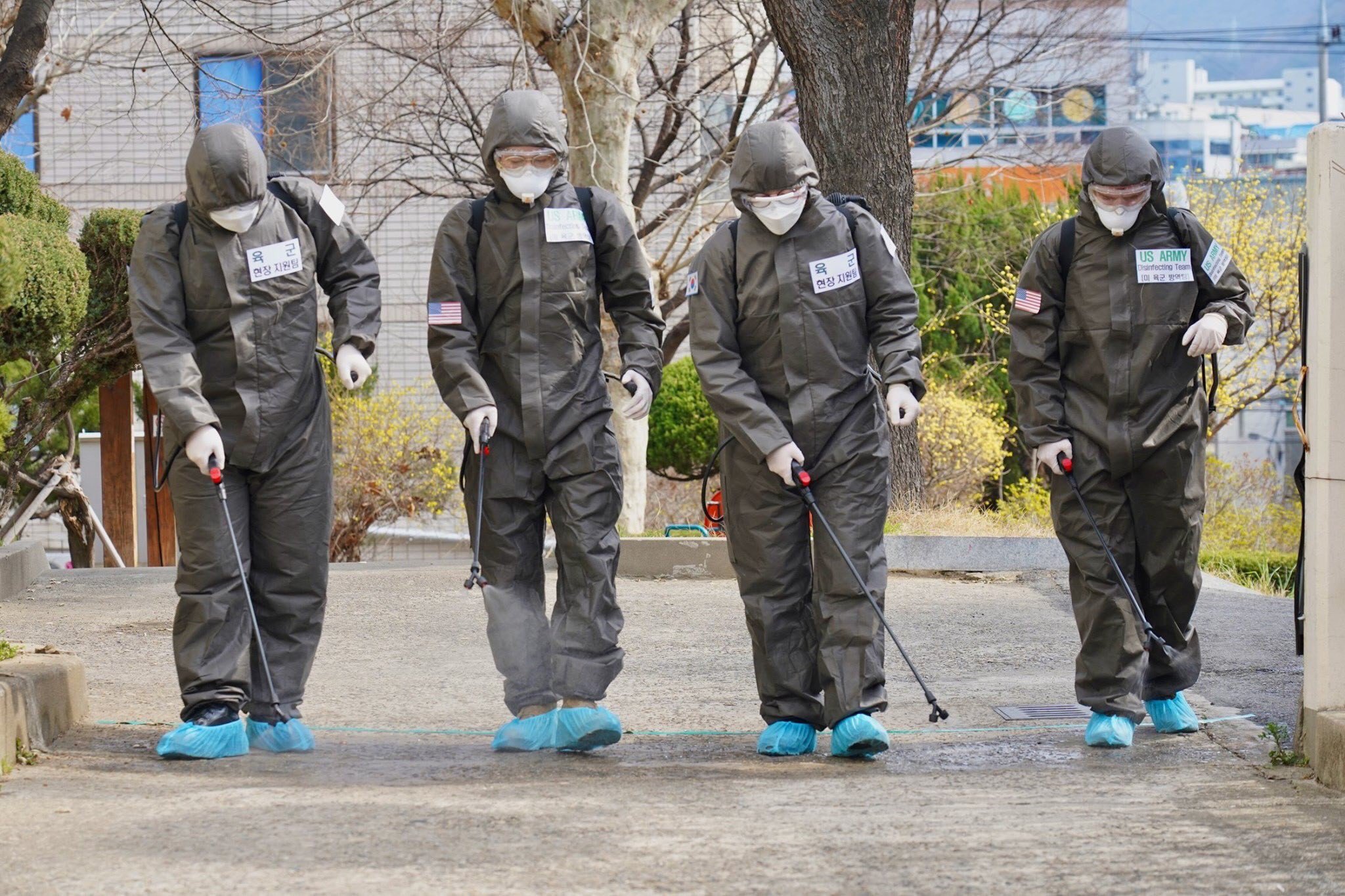
Photo by Kevin Bell and Spc. Hayden Hallman.
Second, while disaster is inevitable, and always has been—it’s a condition of living on this planet—the landscape of risk is rapidly evolving. In the current health crisis, we’ve seen all too well how disease can spread rapidly in a more populated and interconnected world. Although climate change is unlikely to directly affect coronavirus-type diseases, climate and environmental trends will shape the global health landscape in other ways. Habitat loss increases the chance of novel animal-to-human disease transfer, for example. Warmer temperatures extend the range and viability of some disease-carrying species, most notably the mosquito.
Finally, the safety and prosperity of the American people not only depend on disaster management in the United States, but around the world. Had COVID-19 been contained in its early days, its global impact would be much lower. For other disasters, lack of preparedness and resilience will mean more human suffering, and also disruptions in global supply chains and increased state fragility.
It is too early to guess the final toll of COVID-19 on human life. In recent history, epidemics have caused far fewer deaths than other disasters, thanks to advances in modern medicine. We hope that will remain the case with this pandemic, but the first few months suggest this will be an unprecedented global event in modern life.