The United States has a history of responding to requests for assistance from countries across the region. Although civilian organizations, including the US Agency for International Development, United Nations agencies, and independent charities, conduct most humanitarian and disaster relief, militaries also play an important part. The United States armed forces, in particular, are able to deliver relief at a scale most civilian organizations cannot match, including in austere or insecure environments. This reflects significant capacity for transportation, logistics, operational planning, and emergency medical and engineering support. Between 1991 and 2018, for example, the US Indo-Pacific Command conducted 27 humanitarian and disaster relief missions. For these missions, the Command relied most heavily on large cargo aircraft, amphibious ships, and rotary aircraft (i.e., helicopters). More specifically, 20 of the missions required rotary aircraft, 19 required strategic airlift, 18 required a maritime sea-base capability, and 12 required all three. Note that all of this equipment is also important for combat operations, which is what it was built for.
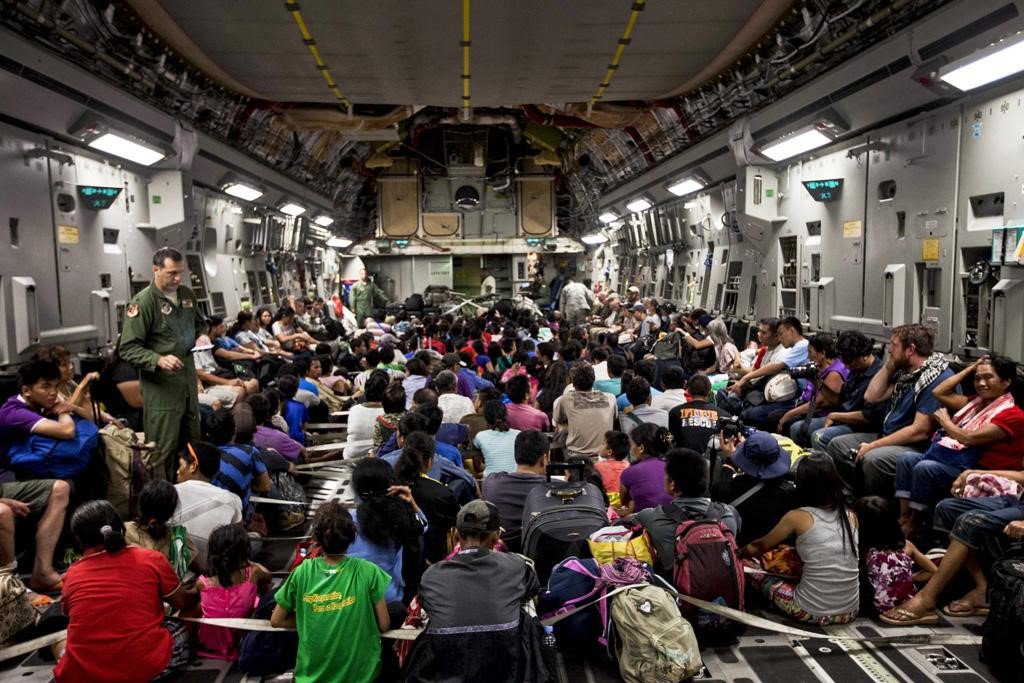
U.S. Marine Corps Sgt. Jonathan Wright/U.S. Indo-Pacific Command
Other countries in the region have some of the same military capabilities, albeit to a lesser degree. These include US allies, particularly Australia, Japan, South Korea, and New Zealand. Thailand and the Philippines, also US allies, are not as well equipped, but have some capability, as well. Following the 2004 Indian Ocean earthquake and tsunami, India started to build up its disaster relief capacity, just as it was expanding its military assets. Today, India’s disaster relief operations can extend beyond the Indo-Pacific region, most recently to Mozambique. In addition to the appropriate force structure, China has shown both the intent and the political will to support global military missions, including for humanitarian purposes. To date, most of its humanitarian and disaster relief efforts have been domestic or located in the region, but the Chinese government has signaled its intent to engage in global missions—including its desire to address the current pandemic. Increasingly competent forces could be a boon to humanitarian response, but only if nations are able to cooperate and coordinate.
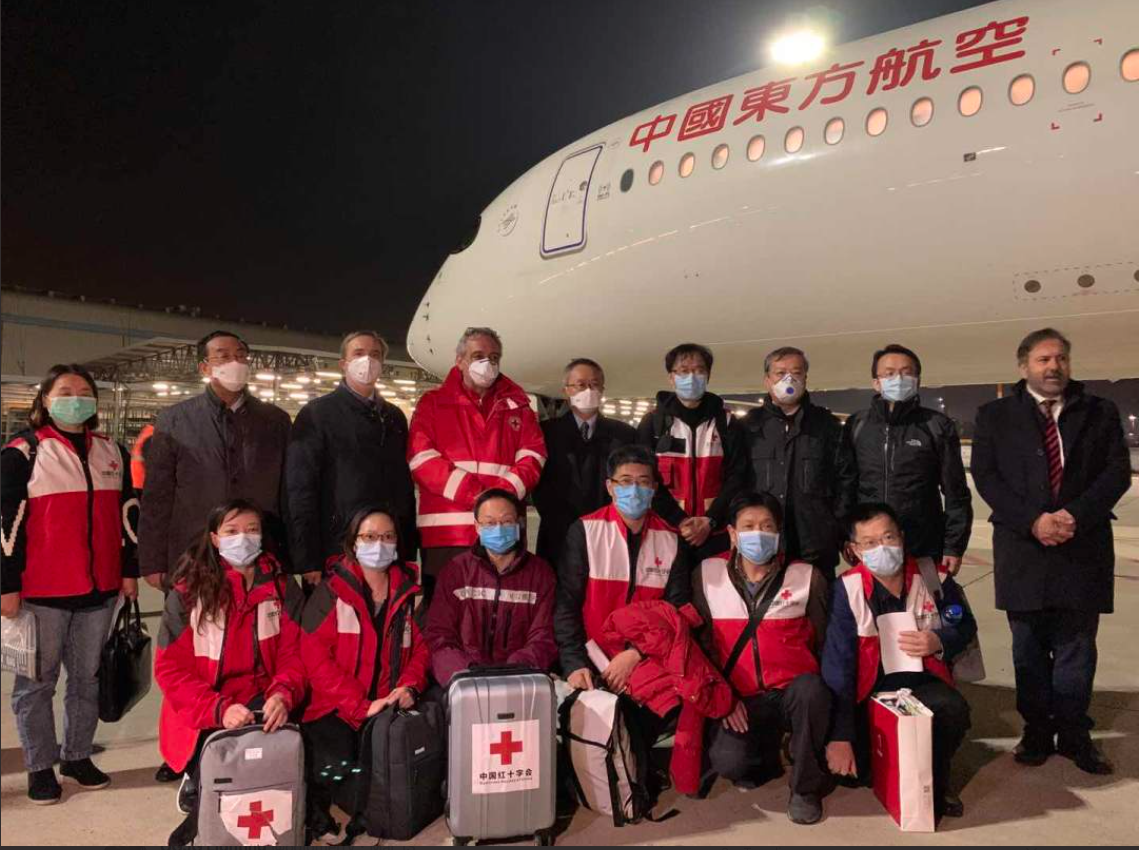
Courtesy of China’s People’s Daily on Twitter.