Overview
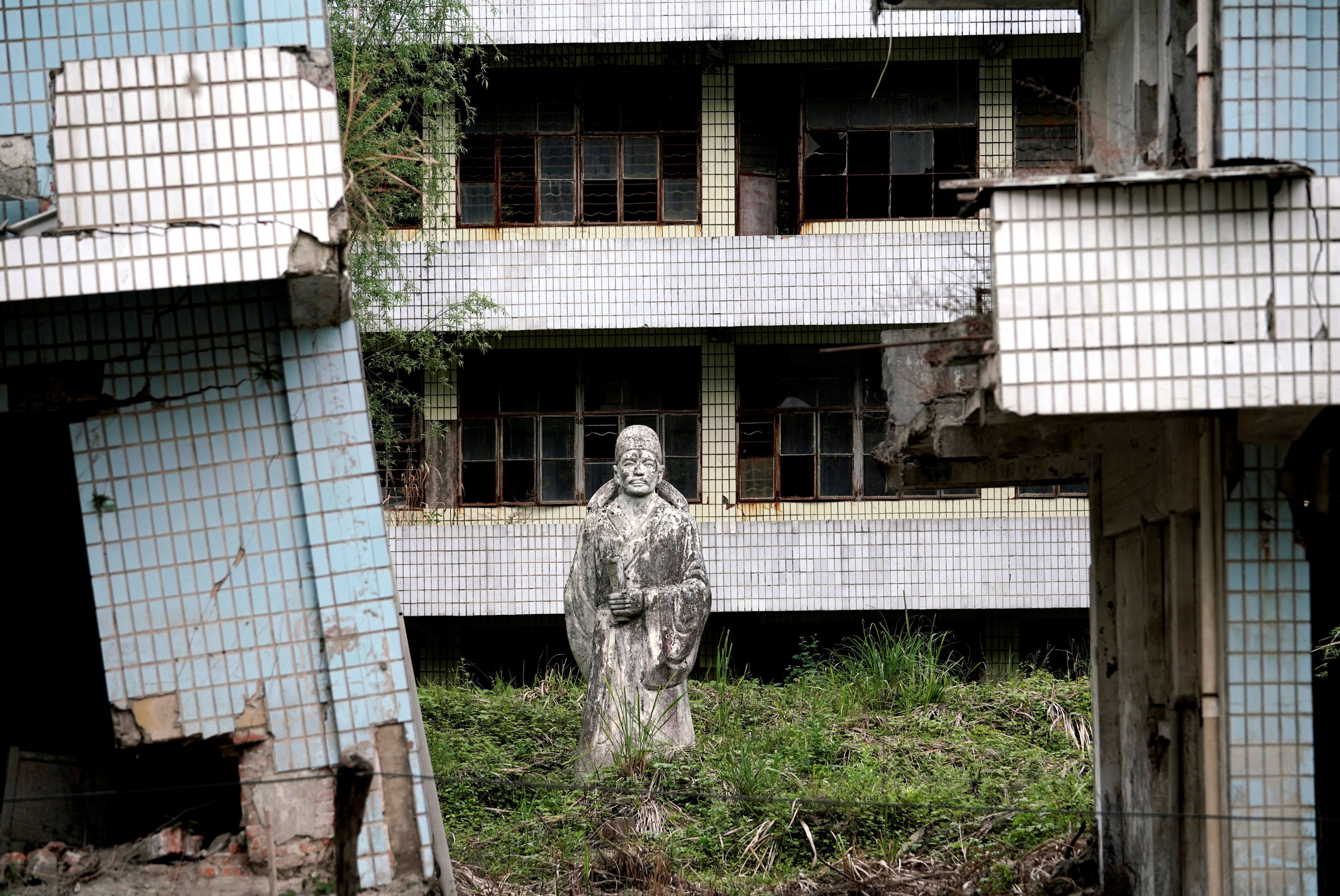
In the Great China Flood of 1931, one of the worst natural disasters of the 20th century, a staggering two million people drowned, starved to death, or succumbed to disease. Rising waters, the result of heavier than usual snow, rain, and river flooding, displaced an estimated 52 million more. In this century, an earthquake in Sichuan Province, China and Cyclone Nargis in Myanmar made 2008 one of the deadliest years for natural disasters. These events inflicted a combined death toll of more than 200,000 in May of that year alone. As this report was finalized, a new natural disaster was taking shape with a global pandemic, which started in Hubei Province, the epicenter of the 1931 floods.
These major disasters reveal important truths about the Pacific region. First, the Pacific remains a region full of natural hazards, from unpredictable earthquakes to extreme seasonal events to novel diseases. At the same time, since the Great Flood of 1931, the population of the region has quadrupled, meaning there are far more vulnerable people. And yet, ten times more people died in the Great China Flood than in all of 2008’s disasters. That illuminates other truths: societies all around the region have improved their resilience to natural disasters and nations all over the world have improved their ability to offer emergency aid. Finally, however, even the most resilient societies will have trouble responding to the most extreme disasters, as the current health crisis illustrates.
These observations are especially important for the United States, the Pacific nation most capable of responding to such catastrophes, in an era when global climate change and human vulnerability are raising disaster risks. Other countries in the area are increasingly able to respond, too, particularly China. By all rights, this rise in catastrophic conditions should prompt more cooperation, but with a growing rivalry between the United States and China, humanitarian and disaster relief may become one more arena for competition. To date, the COVID-19 response has been a case in point. The United States Indo-Pacific Command, as a key player in regional disaster response, must plan for more demands for such missions, whether the Pacific is a competitive or cooperative arena.