Ken Sofer
Summer Fellow, Resource Security Program
The collapse of oil prices has led to food shortages across the country, destabilizing an already fragile society.
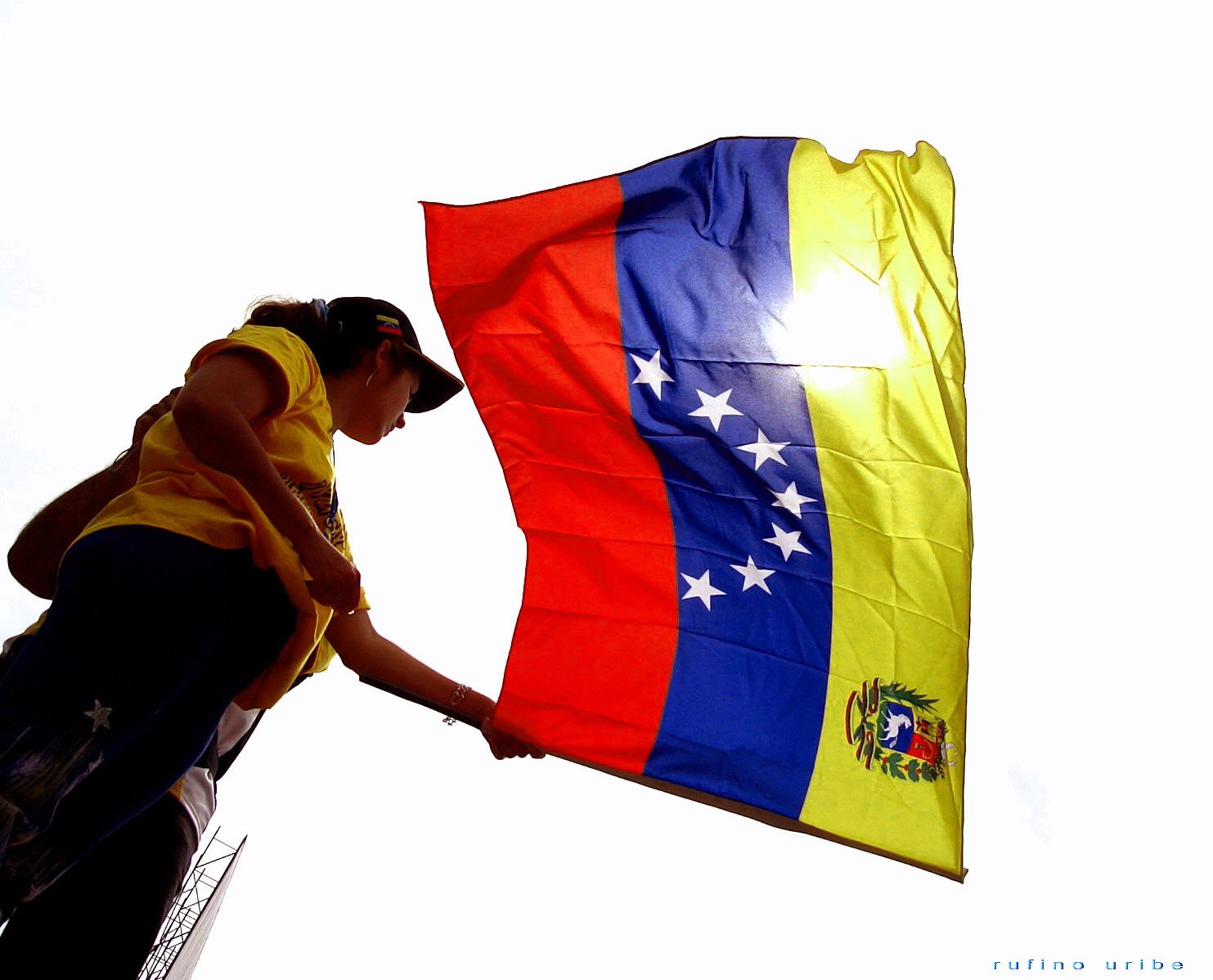
Earlier this week, The New York Times reported rising violence in Venezuela in response to food shortages and prices spikes across the country. Breadlines, attacks on food delivery trucks, and gang violence for control of food supplies are all becoming increasingly common in the Latin American oil power.
Venezuela is the 12th biggest oil producer on the planet, which has filled the government’s coffers with money during times of high oil prices. But Venezuela lives and dies by the sword, and as oil prices have collapsed from a high of $114 per barrel in June 2014 to a low of $29 per barrel in January, the country’s most important source of income has vanished.
The loss of oil revenue has crippled the government budget and currency reserves. In order to balance its budget, The Economist estimated Venezuela would need oil prices of $120 per barrel – nearly two and a half times current prices. Oil accounts for 96% of the country’s export earnings, making it one of the country’s few sources of foreign currency needed to buy imports – including food and fertilizer.
The loss of foreign currency to import food from neighbors like Uruguay or fertilizer to fuel its own food production has led to shortages across the country and citizens everywhere are feeling the food insecurity.
Three stats are particularly eye-popping in that New York Times article:
To put those numbers in context, Americans spend 6.5% of their disposable income on food according to the U.S. Department of Agriculture. At 72%, Venezuela’s expenditures on food as a percentage of income would be the highest in the world, beating out Nigeria’s 56% – the only country tracked by the USDA above 50%. It’s also explosive growth since 2014, when Venezuelans were spending just under 20% of their disposable income on food.
The price spikes and food shortages are likely to reverse years of food security progress in Venezuela, which reduced undernourishment from 18% in 1998 to below 5% before the oil crash according to the World Bank.
At an event on food security hosted by the Center for American Progress earlier this week, New America’s Sharon Burke pointed to poorly governed, economically fragile rentier states like Venezuela and Nigeria as countries who are most vulnerable to the destabilizing nature of food security. As the National Intelligence Council stated in their September report on food security, “The intersection of food insecurity with governance gaps will probably result in social disruption, political turmoil, or conflict.”
For a country like Venezuela – ranked as one of the most corrupt and ineffective governments in the world according to both the World Bank’s World Governance Indicators and Transparency International’s Corruption Perception Index – public anger over rising food prices in the form of both interpersonal and intercommunal violence could quickly escalate into something much larger, threatening the rule of embattled president Nicolás Maduro.
The slight rebound of oil prices from their January low will alleviate some of Venezuela’s currency crunch, but continued economic mismanagement and dependence on oil rents will keep Venezuelan access to food tenuous. Maduro’s political future likely depends on his ability to re-establish basic food security in the country and prevent a food crisis from escalating into a broader political crisis.
Summer Fellow, Resource Security Program