
Vermont and the District of Columbia Show a Renewed Interest in Broadband Privacy
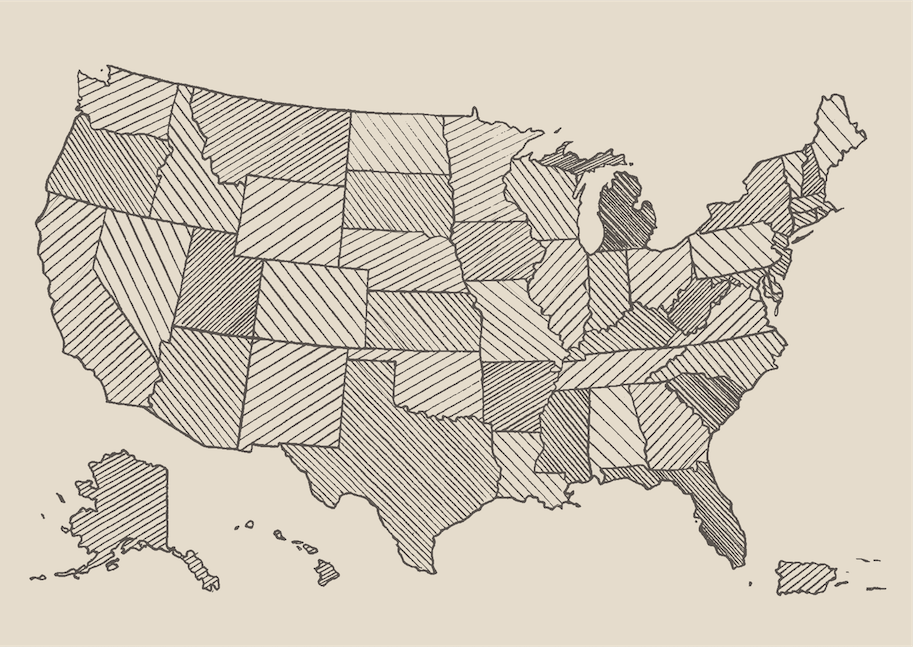
In August, OTI submitted comments to Vermont’s Attorney General and the District of Columbia Office of Cable TV regarding broadband privacy.
In both comments, OTI argued that broadband providers are different from other online companies and thus broadband customers need stronger privacy protections. The Federal Communications Commission passed strong broadband privacy protections in 2016, but Congress repealed those protections. Now, federal privacy authority over broadband providers rests with the Federal Trade Commission and its unfair and deceptive standard, meaning broadband providers need not meet a higher privacy standard than online companies.
Without strong federal oversight of broadband privacy, it is incumbent upon states to take action. While consulting with states after the repeal, OTI released model broadband privacy state legislation designed to provide the appropriate balance of customer privacy and ISP service management needs. OTI urged both the Vermont AG and the DC Office of Cable TV to adopt the model language as their rule—in particular, language preventing so-called “pay-for-privacy” regimes.
Further, the DC Office of Cable TV sought comment on a specific rule that is similar to the rule adopted last year by the city of Seattle. OTI argued that, if the city does not adopt language from the model bill, several changes to the proposal should be made, some of which are below:
- The definition of “cable operator” should be clarified to unequivocally include cable broadband;
- Cable companies should get opt-in consent for non-service-related uses of data (the rule requires opt-in consent for only collection and disclosure of data);
- Cable companies should get opt-in consent for use of merely de-identified data;
- There should be no exception to the disclosure opt-in rule for “legitimate business activities” because it is too vague;
- The city should require both an online portal and a physical option for consent decisions and access to customer data; and
- The city should consult with the city of Seattle to learn about the implementation of its rule and to learn from its experience.
We look forward to continuing to engage with Vermont, DC, and any other state interested in protecting broadband privacy.
Downloads
More About the Author
Issues
Programs/Projects/Initiatives
Related

Take Back Tech—Understanding How Surveillance Culture Impacts Advocacy
Our Takeaways: State of the Union 2023

NTIA’s Consumer Privacy Proposal is a Good Start but Needs Improvements