
Multilingualism and American Schools: Sensible Policies, Senseless Politics
Federal education policies are changing quickly. This means new opportunities, and challenges, for multilingual students.
Federal education policies are changing quickly. This means new opportunities, and challenges, for multilingual students.

With a growing number of DLL’s in public schools, bilingual teachers are in high demand.

A new study highlights how integrating language supports into mainstream curriculum helps close science achievement gaps for DLLs.

A new set of briefs reveals trends in early childhood education (ECE) search and decision-making, and quality of experience among Latino.
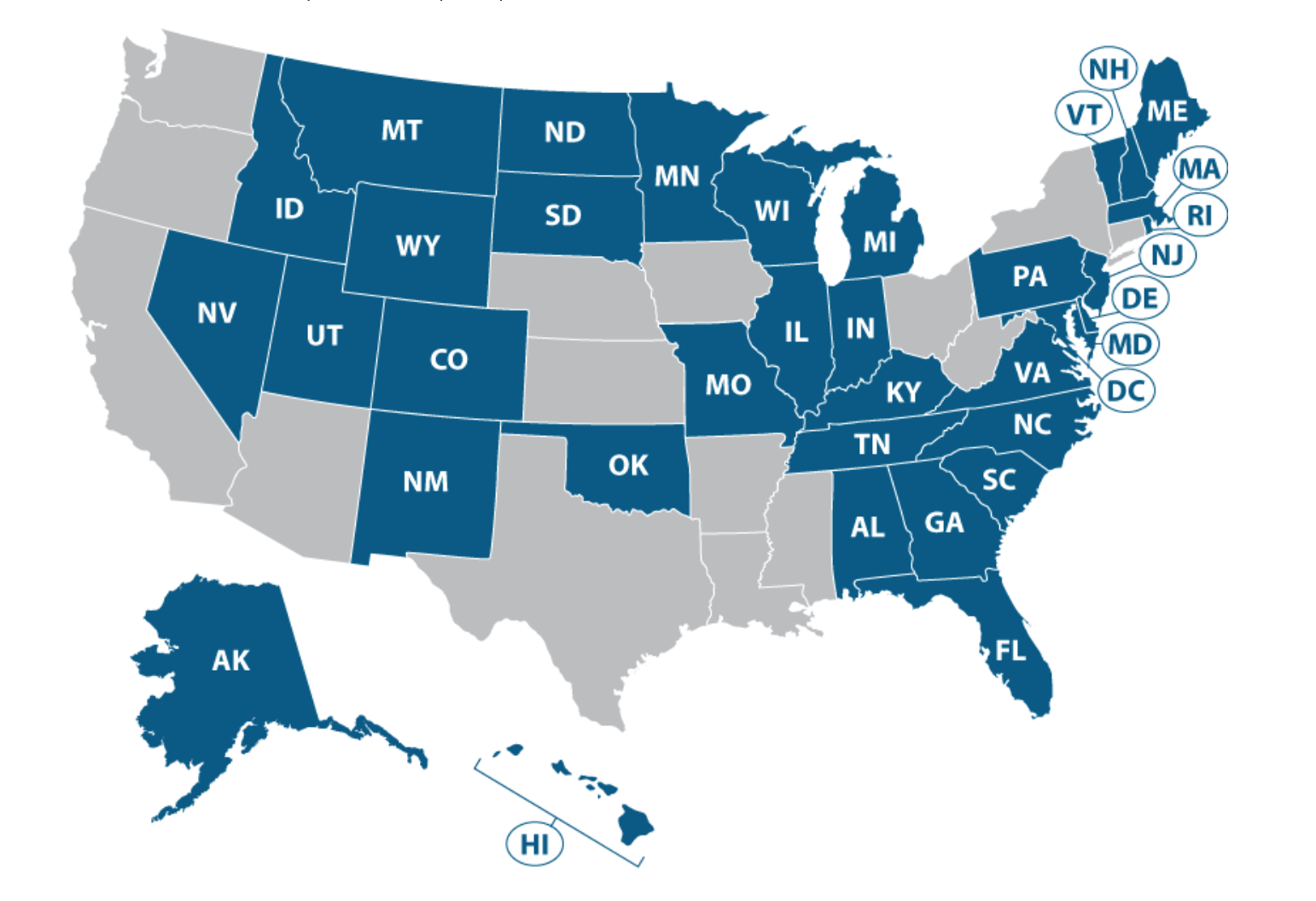
With nearly three-quarters of all U.S. states working with WIDA, the consortium has significant sway over state decision-making for ELLs.

Conor Williams explains how politics, immigration, and education intersect in California’s new bilingual education initiative.

A look at how the Internationals Network for Public Schools model is being implemented at Largo High School.

A new report examines how Asian-American and Pacific Islander (AAPI) students are doing in Minnesota’s schools.

When it comes to ELL accountability under ESSA, policymakers are in a holding pattern until the Department of Ed regulates the law’s nebulou

Dual language learners do particularly well in public pre-K programs. How can we improve the early education workforce.