
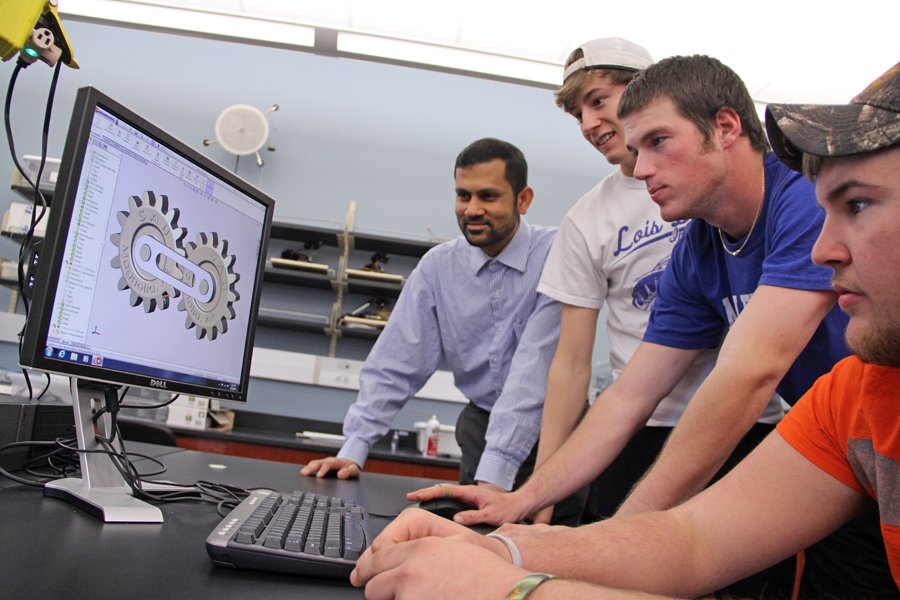
How Federal Education Policy Contributes to the Skills Gap – and Can Help Us Move Beyond It
In survey after survey over the last decade, employers have complained of difficulty finding workers with the right mix of skills.
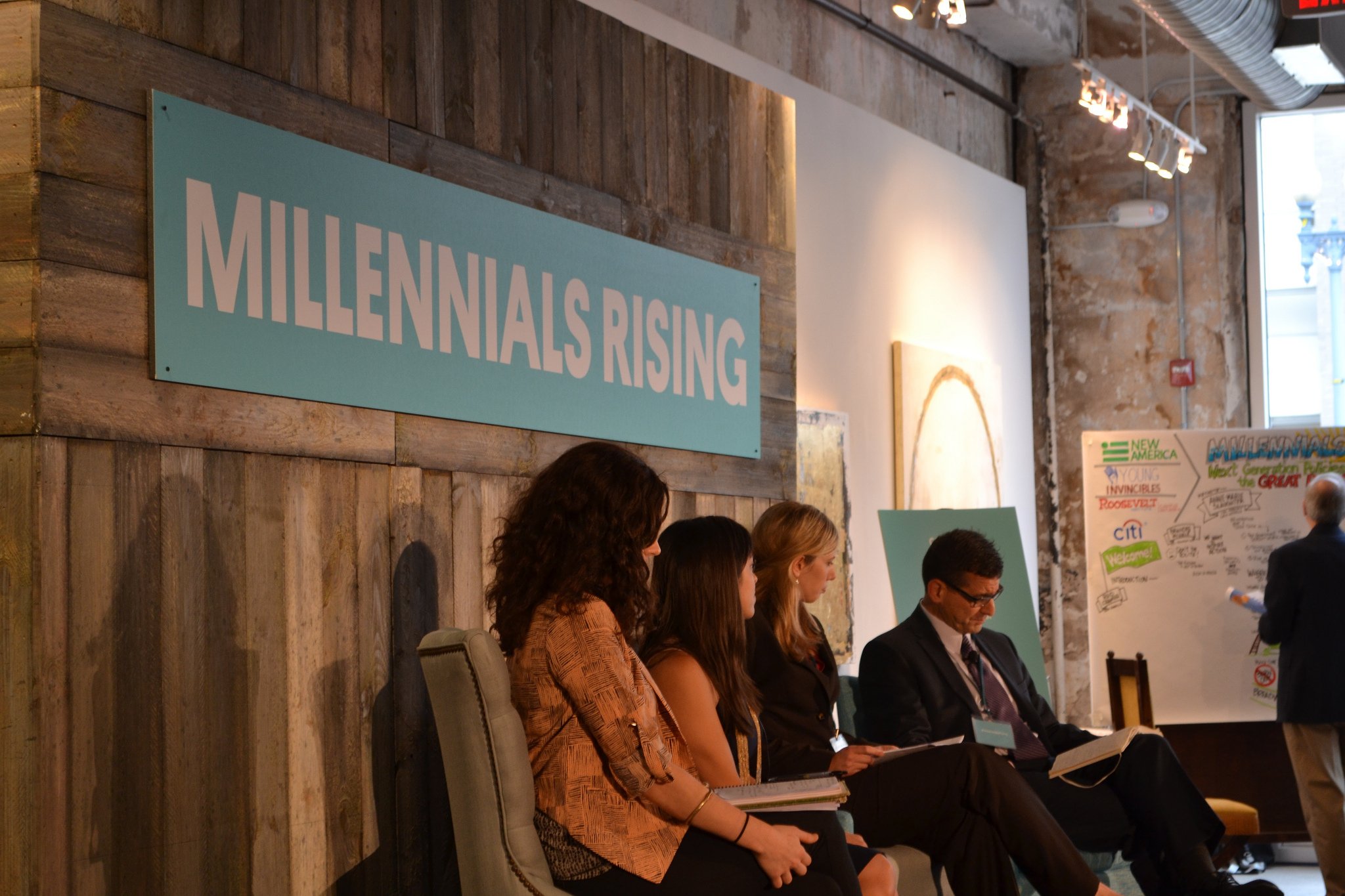
Millennials Rising
A two-day policy symposium in 2014 that explored policy responses to the new and often unprecedented realities facing Millennials.
In-Person
New America
740 15th St NW #900, Washington, D.C. 20005
The Weekly Wonk: How A Sex Scandal Changed Democracy
The Gary Hart scandal changed politics forever. This is how.

Tracing School Funding Inequities All the Way Down to the School
The Fordham Institute releases a fascinating new report on inequities in American school funding at the level of individual schools.
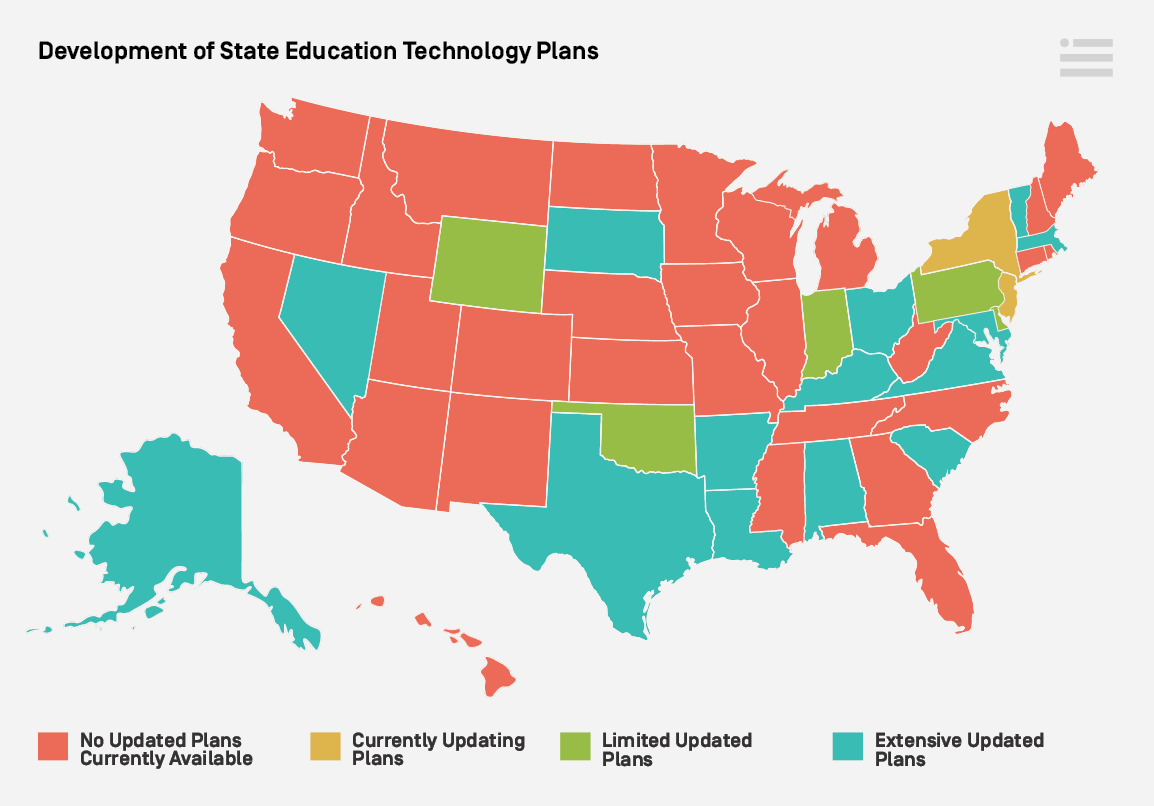
1980’s Planning in 2014: A State-by-State Look at Ed Tech Planning
Ed Week’s look back to 1989 could just as easily be a look back on 2012.

By My Parent’s Bootstraps
The story Americans tell ourselves about the American Dream obscures one powerful determinant of life: our parents’ financial standing.

Making High Expectations Universal
Common Core is a divisive issue in education; however, the need for greater teacher expectations for all students is undeniable.
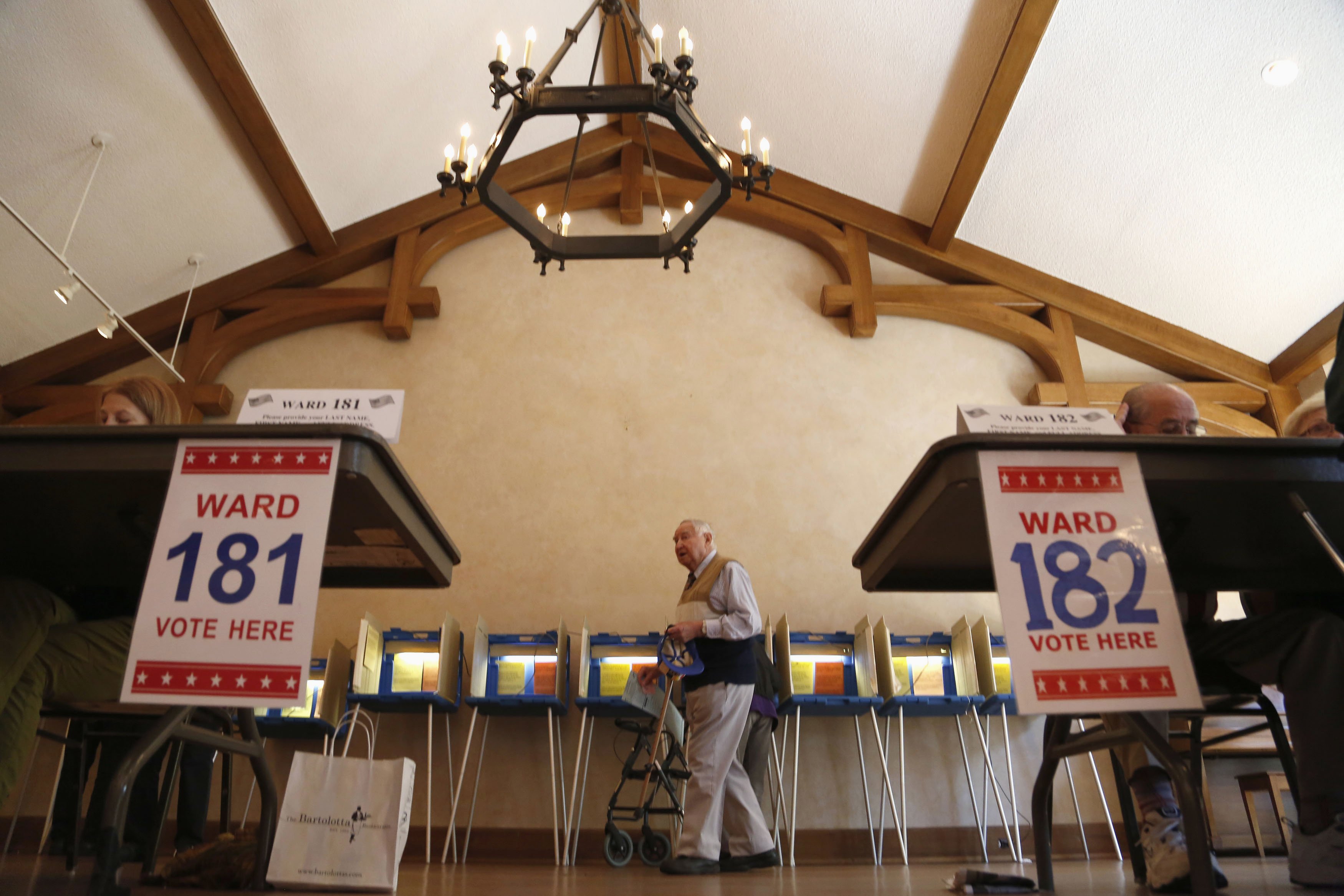
Online Discussion: The Future of Campaign Finance
A Google Hangout on how we can reform campaign finance, if we should do it at all.
In-Person
New America
740 15th St NW #900, Washington, D.C. 20005
Youthsave Project Connects Youth Financial Inclusion and Poverty Alleviation
A panel of financial inclusion experts explore a range of questions related to the use of youth savings accounts as a poverty alleviation.

State Lawmakers Increasingly Realizing the Importance of Early Care and Education
“Let’s do what works and make sure none of our children start the race of life behind. Let’s give our kids that chance!”
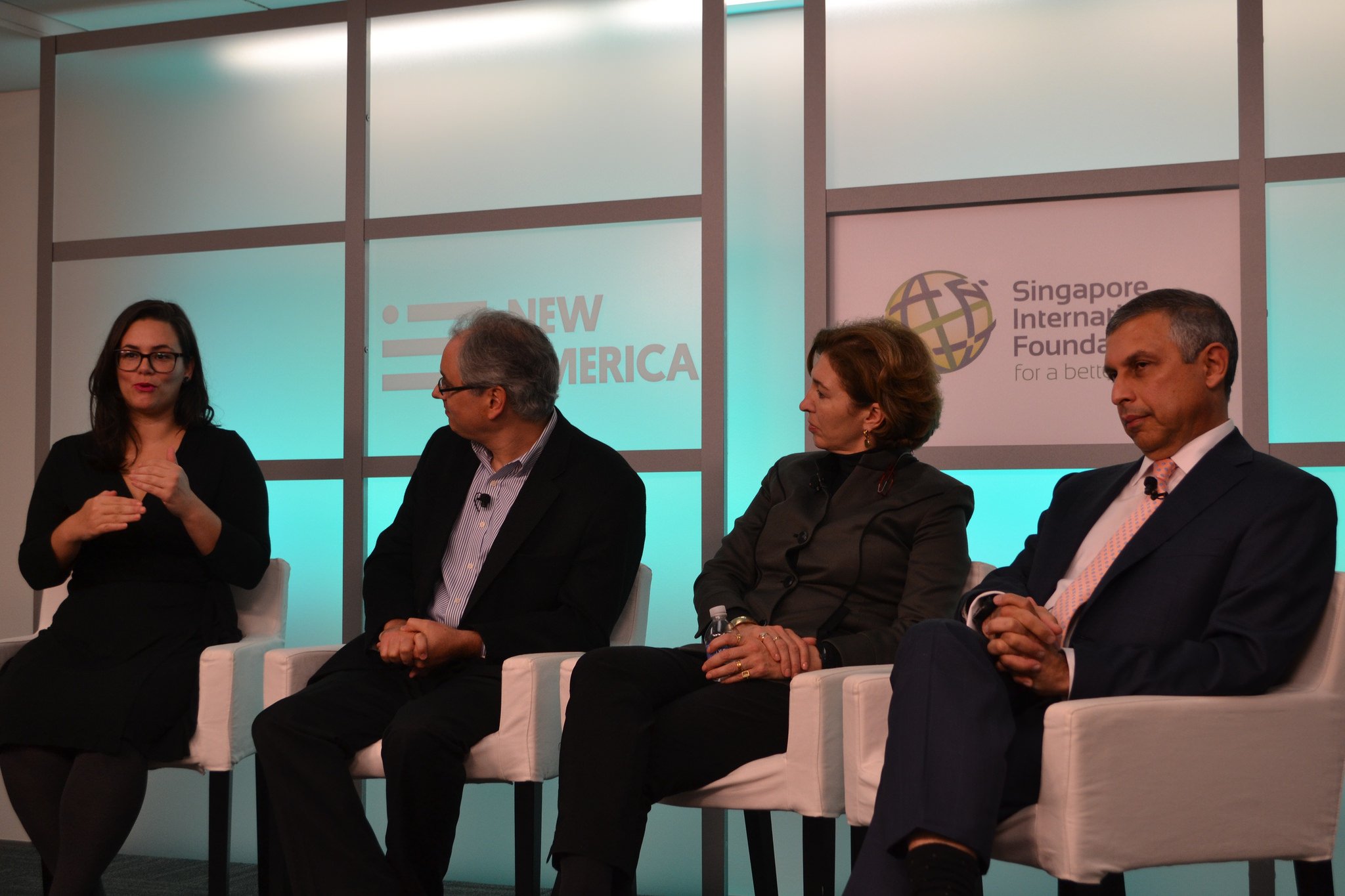
The Future of Cities
Today, for the first time in human history, the majority of us live in urban areas. Is the 21st century is the era of the city?
In-Person
New America
740 15th St NW #900, Washington, D.C. 20005

College Completion Is the Best Default Aversion
More than 60 percent of borrowers in default on their federal student loans never completed a degree.
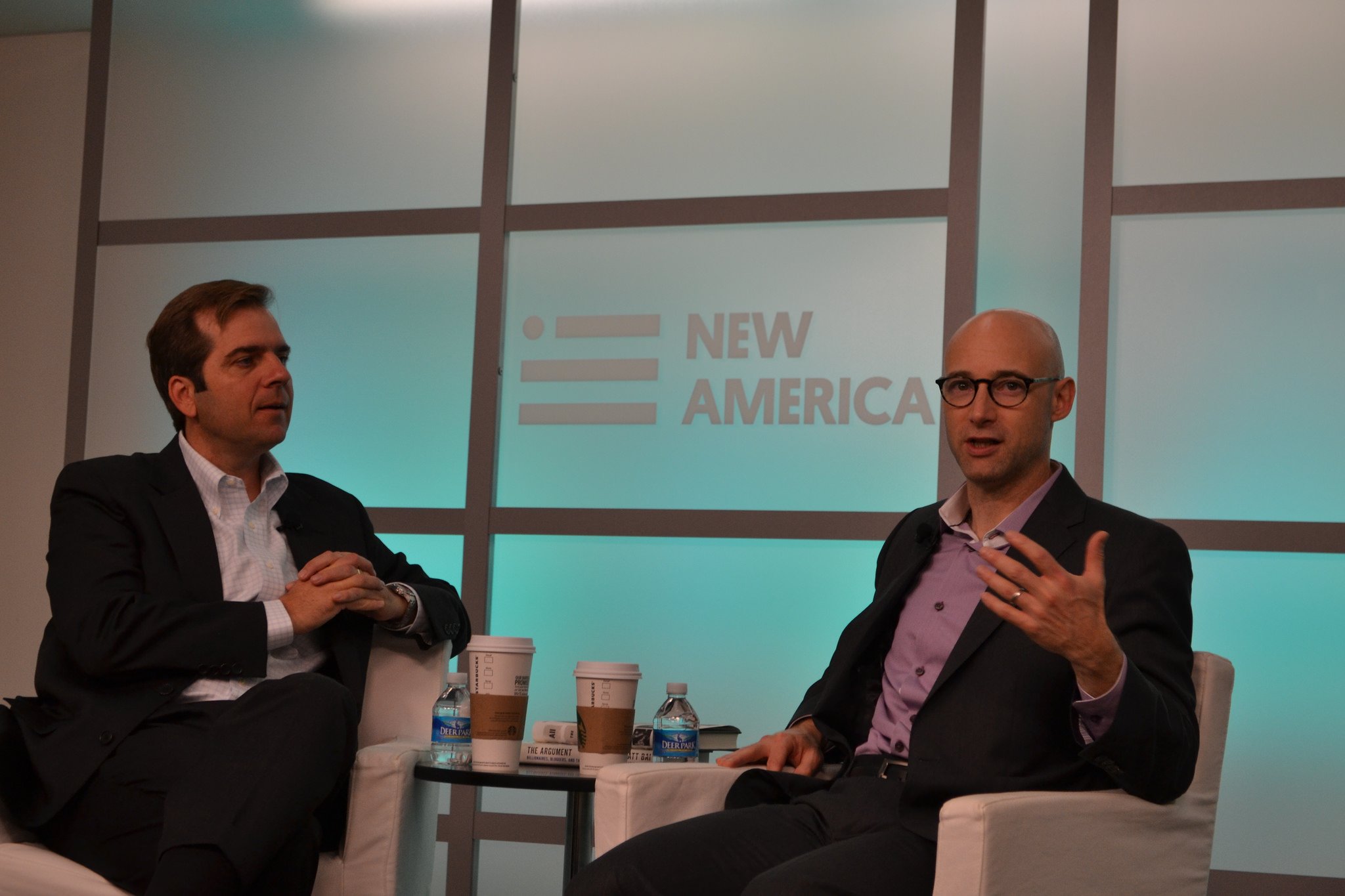
All the Truth is Out
A discussion on the modern age of political tabloid journalism and what it all means for the future of democracy.
In-Person
New America
1899 L Street NW, Suite 400, Washington, DC 20036