
In the News: The Affordable Housing Hiding in Plain Sight
FLH Director Yuliya Panfil wrote an essay for Bloomberg, outlining an underexplored, high leverage opportunity to boost affordable housing supply.
FLH Director Yuliya Panfil wrote an essay for Bloomberg, outlining an underexplored, high leverage opportunity to boost affordable housing supply.
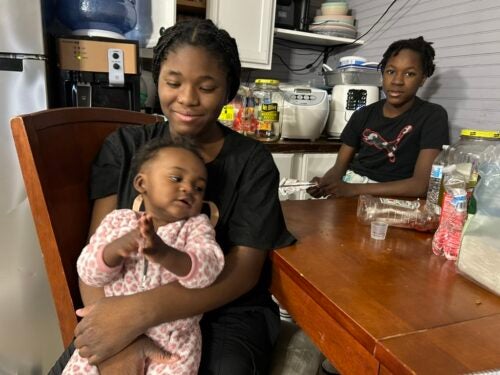
The latest articles from Better Life Lab staff and journalists we support, bringing work and care challenges and solutions to life to raise awareness and drive action for change.

This playbook is designed to support states as they implement Workforce Pell, translating federal requirements into actionable steps, highlighting key policy decisions, and offering practical considerations.

Deepfakes are now being widely used online—even by the government. A tech policy analyst shares four tips to spot them and limit their harms.
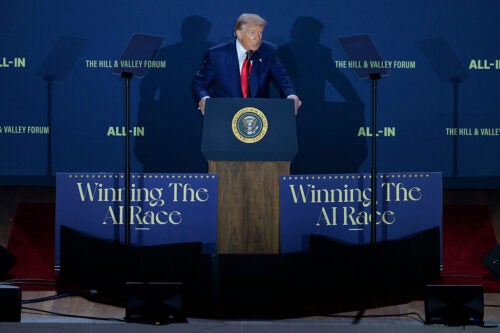
A discussion on the U.S. AI skilling agenda—what implementation might look like, where gaps remain, and what comes next.
Virtual
12PM – 1PM EDT
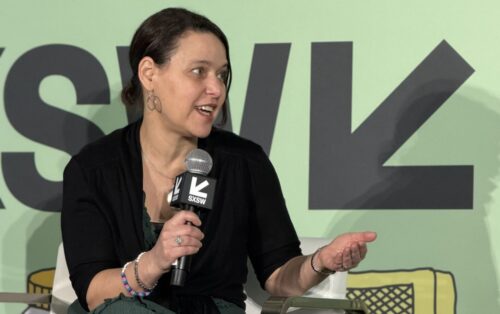
Our entertainment initiative joined with partners including CAA Community Impact, GLAAD, MPAC, and Imaginable Futures to share resources at SXSW.
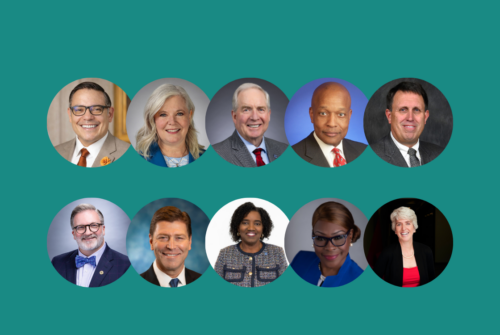
New America and ACCT announce members of the Advisory Committee on Economic & Workforce Development, which will support a first-of-its-kind study of community college presidents and trustees in economic development.
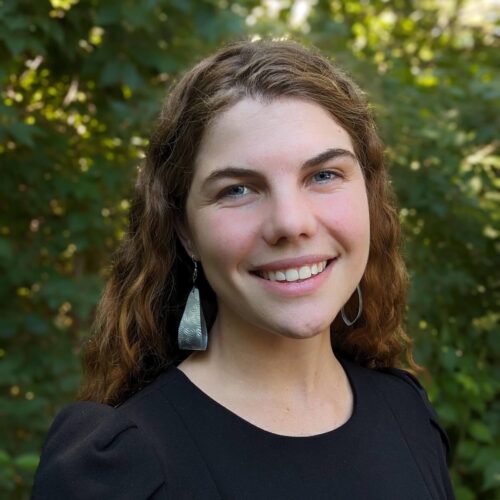
Senior Associate, Future of Land and Housing
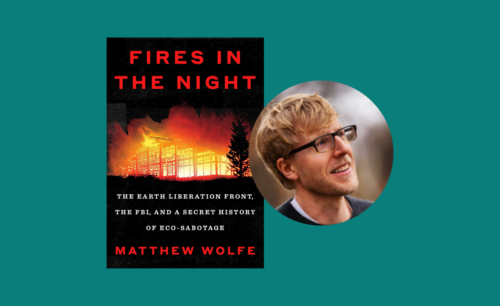
Learn about the Earth Liberation Front’s rise and unraveling, drawing on years of original reporting, interviews, and thousands of pages of unreleased investigative files.
Virtual
12PM – 1PM EDT
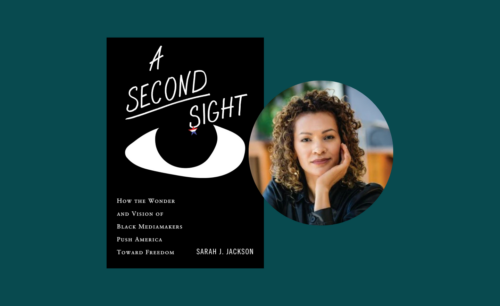
Join author Sarah J. Jackson to trace how Black journalists, photographers, filmmakers, radio hosts, podcasters, and other mediamakers have drawn on their unique perspective to advance democracy and broaden American values.
Virtual
12PM – 1PM EDT