
The Problems with Seeking and Avoiding True Attribution to Cyber Attacks
Attribution to cyber attacks means different things to different audiences. In some cases analysts only care about grouping multiple intrusi
Attribution to cyber attacks means different things to different audiences. In some cases analysts only care about grouping multiple intrusi

Two wrongs don’t make a right, but Elizabeth Weingarten explores a phenomenon that might lead us to believe that a right permits a wrong.

Chayenne Polimédio argues it’s those involved in bettering their own communities who are making America—well, you know.

1979, Iran became the first revolutionary theocracy in modern times. Since then, the country has largely been a black to the West.

The history of American utopianism ranges from lemonade seas to parallelogram urban planning. Chris Jennings looks at our our nation’s attem

Aaron Loewenberg thinks that it might be.

We think of cyberwar as just that—war. So why, asks Paulo Shakarian, don’t we speak of it in simpler terms than we do war fought in any othe
Delivered at Preserving Broadband Network Privacy, event hosted by Public Knowledge.
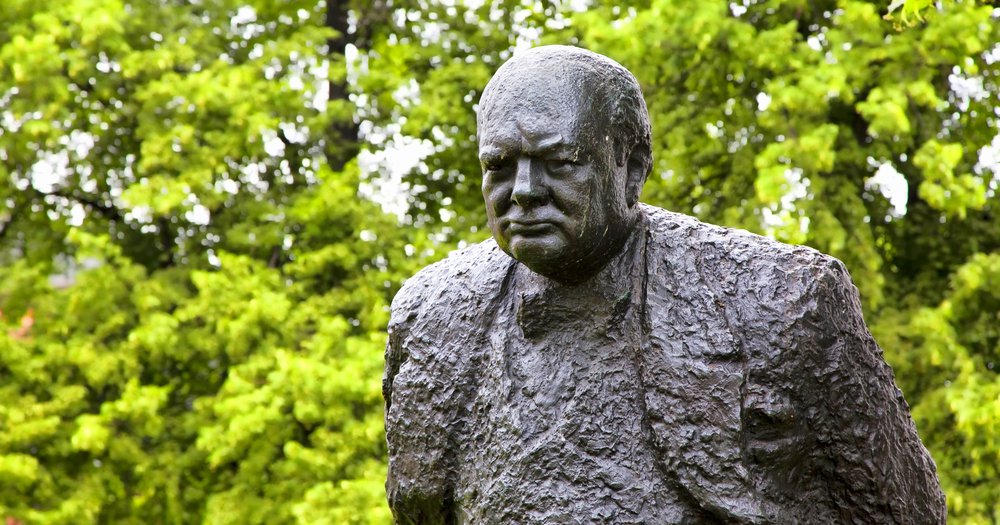
80 years ago, Britain stayed back as Germany remilitarized the Rhineland. Scott Silverstone writes on why the lessons we can learn from the
At its markup this morning, the Senate Commerce Committee voted to approve the MOBILE NOW Act (S. 2555) for consideration by the full Senate