
LAUNCH “Accelerates” Pathways Work in Six States Across the Nation
Six states within the newly established LAUNCH Community of Practice were selected to “accelerate” their big bet on pathways.
Big ideas, bold solutions. Explore the latest research, analysis, and policy insights from our experts.
Six states within the newly established LAUNCH Community of Practice were selected to “accelerate” their big bet on pathways.
PAYA reinvests in 10 Sustainability Grantees and makes new awards to six early-stage Development Grantees
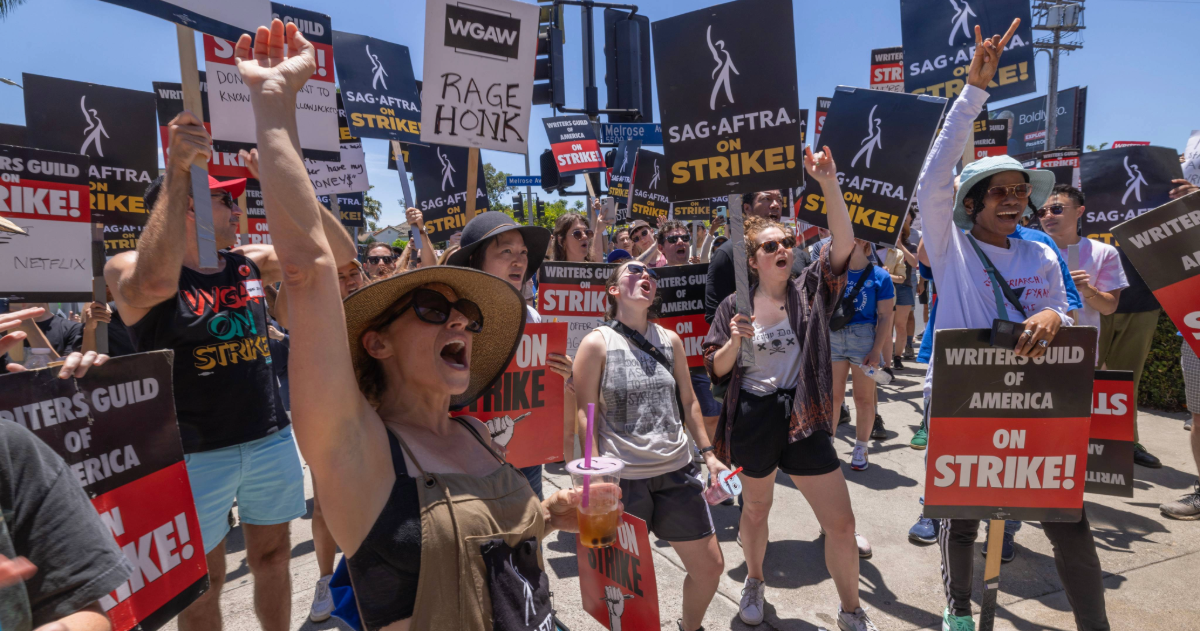
Shalin Jyotishi penned an op-ed for Tech Policy Press outlining strategies to incorporate worker voice in R&D policy
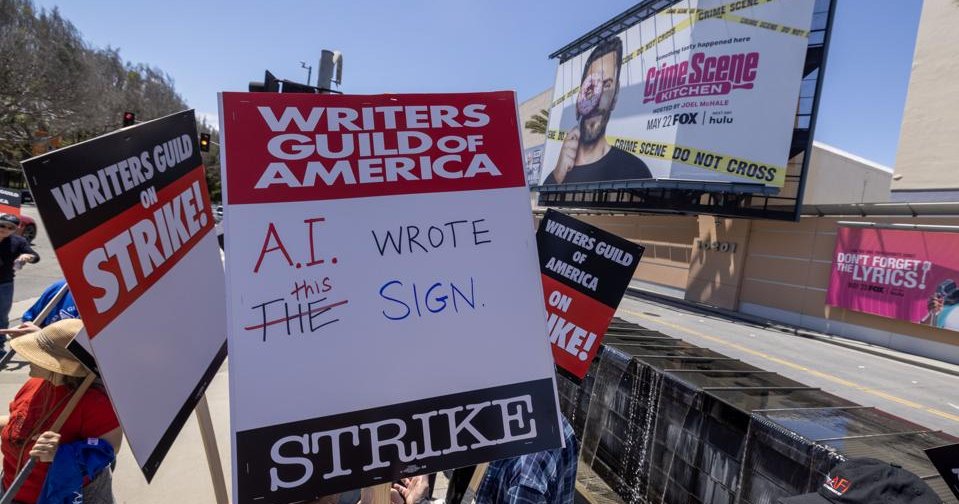
Shalin Jyotishi explores how unions are challenging AI surveillance practices and helping shape the future of work.
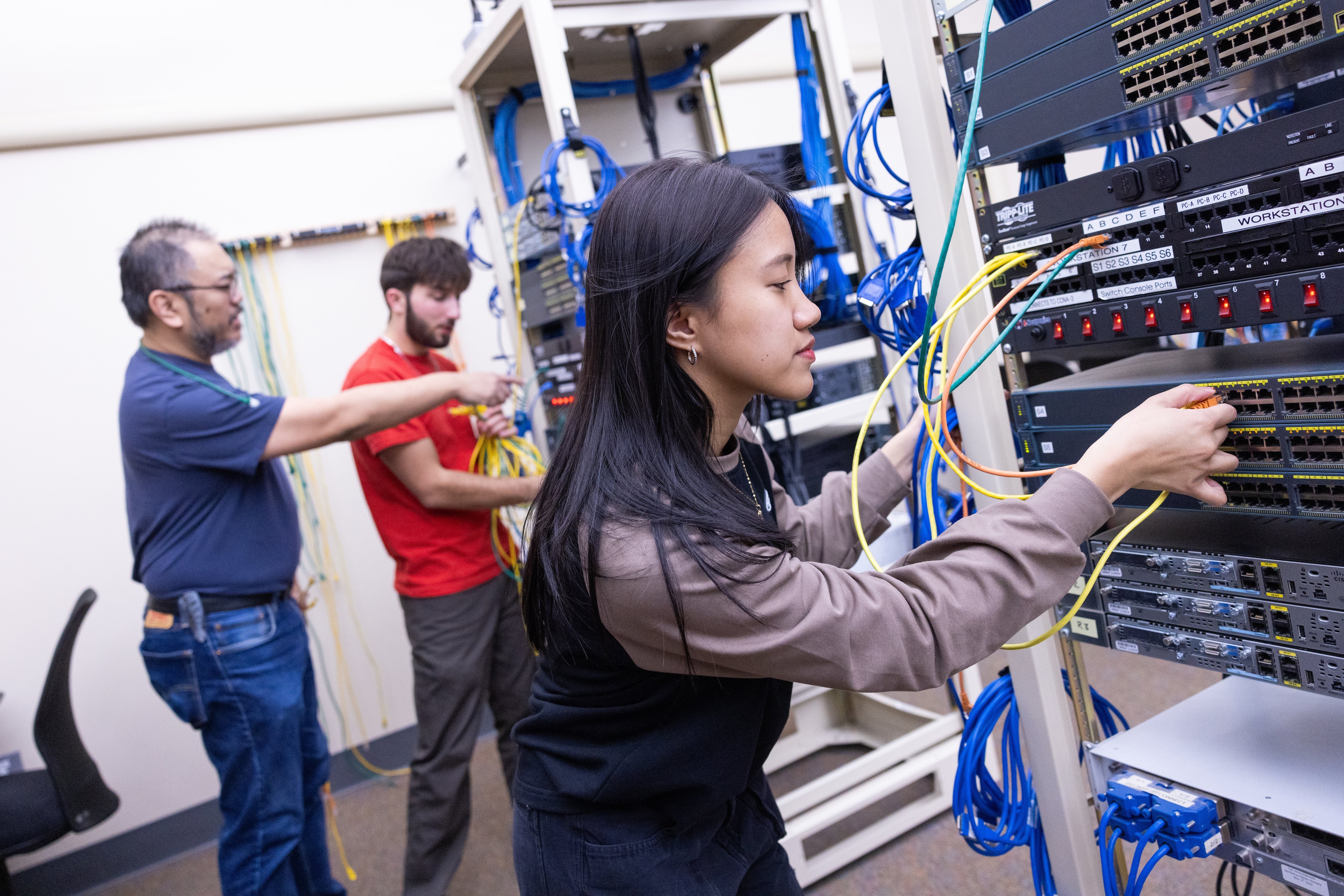
How one college in New Mexico is turning student jobs into paid internships.
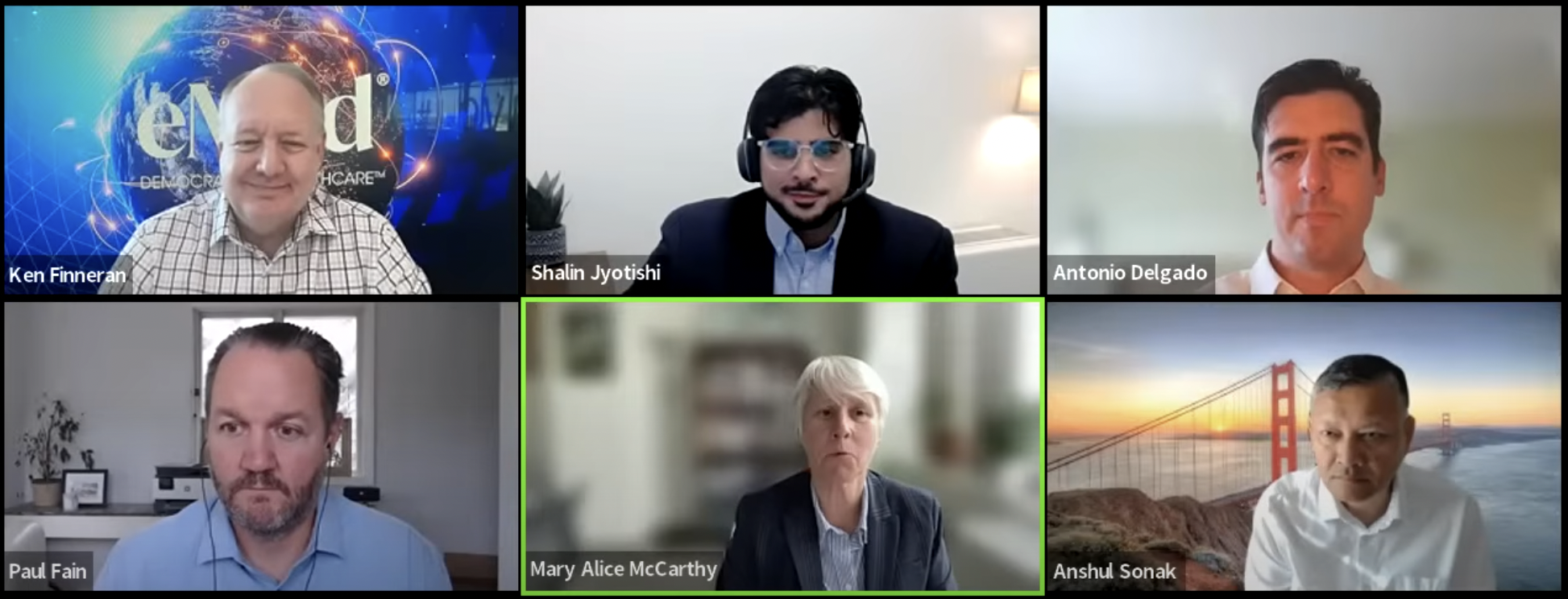
Amid federal funding cuts, New America revisits expert and student perspectives on AI education at community colleges.
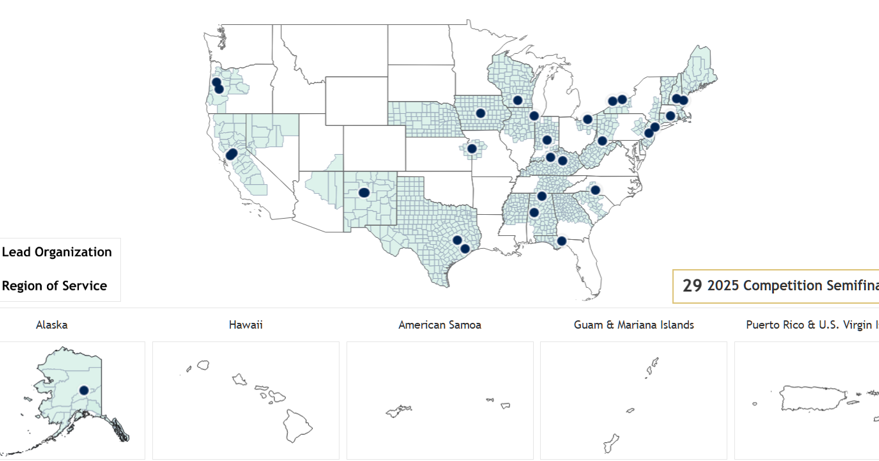
Shalin Jyotishi writes for Forbes on covering the NSF Regional Innovation Engines semifinalist announcements

Trump outsources education programs to the Labor Department. Confusion and inconvenience await.


Across the country, community colleges and health systems are opening doors to nursing careers through apprenticeship.