
Establishing a Right to Early Education: Part Three of a Four-Part Series
New Mexico and California have both made recent progress in providing no-cost child care to more residents.
Big ideas, bold solutions. Explore the latest research, analysis, and policy insights from our experts.
New Mexico and California have both made recent progress in providing no-cost child care to more residents.

Private equity firms now own 8 of the 11 largest U.S. child care chains by capacity

How one organization is partnering with local educators, schools, and community organizations to provide wrap around services and training f

A recent study found that many parents do not experience family-centered best practices in EI/ECSE.

What’s indisputable is that the current state of pre-K curricula leaves a lot of room for improvement

EI/ECSE practitioners are inadequately paid, which is a major factor tied to practitioner well-being, but not the only factor.
States, such as Florida and New Jersey, have used their constitutions to extend early education access to more children.

As subsidy eligibility for child care workers expands to more states, questions remain about its viability for family child care providers

The latest in federal early education news

The field’s best bet is to implement evidence-based curricula that explicitly target specific learning domains

A four-part blog series that will focus on how states are using different strategies in an effort to establish a right to ECE
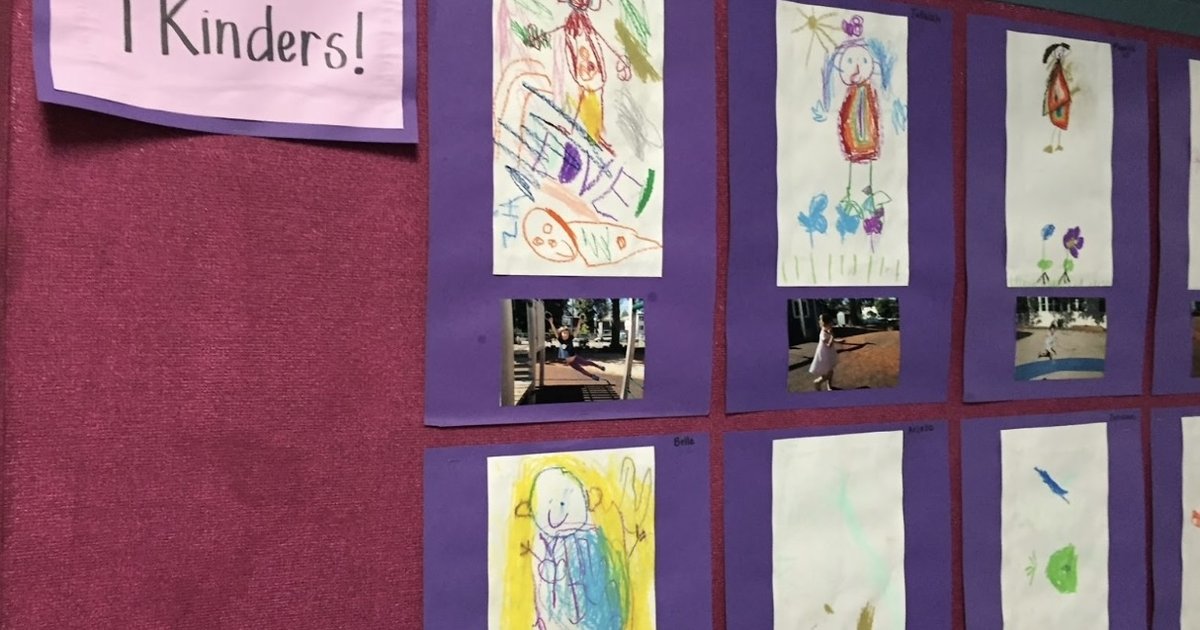
Some four-year-olds in California are taking English proficiency exams meant for older kids. Proposed legislation urges alternative options.

In the Great First Eight curriculum, children participate actively in project-based learning much of the day.

Who makes up the workforce? What are current workforce challenges and what strategies exist to address such challenges?

Supports include scholarships, pathways, funds for increased compensation and benefits, and recognizing the experiences of current educators