
The Tensions Between Pre-K Politics and Research
As exciting as recent research on pre-K has been, it's no solution to the political challenges of expanding high-quality pre-K access.
Big ideas, bold solutions. Explore the latest research, analysis, and policy insights from our experts.
As exciting as recent research on pre-K has been, it's no solution to the political challenges of expanding high-quality pre-K access.

So, how did the 122 providers competing for their grants fare in the DRS this year?

New America has a lot of ideas for improving early education in America, and even some members of Congress have proposed similar ideas.

A sneak peek at early findings from our analysis of the marketplace for literacy apps. From Seeding Reading by the Joan Ganz Cooney Center.

Using Head Start as a vehicle to reach parents and increase their educational attainment is a logical next step to enhance family well-being
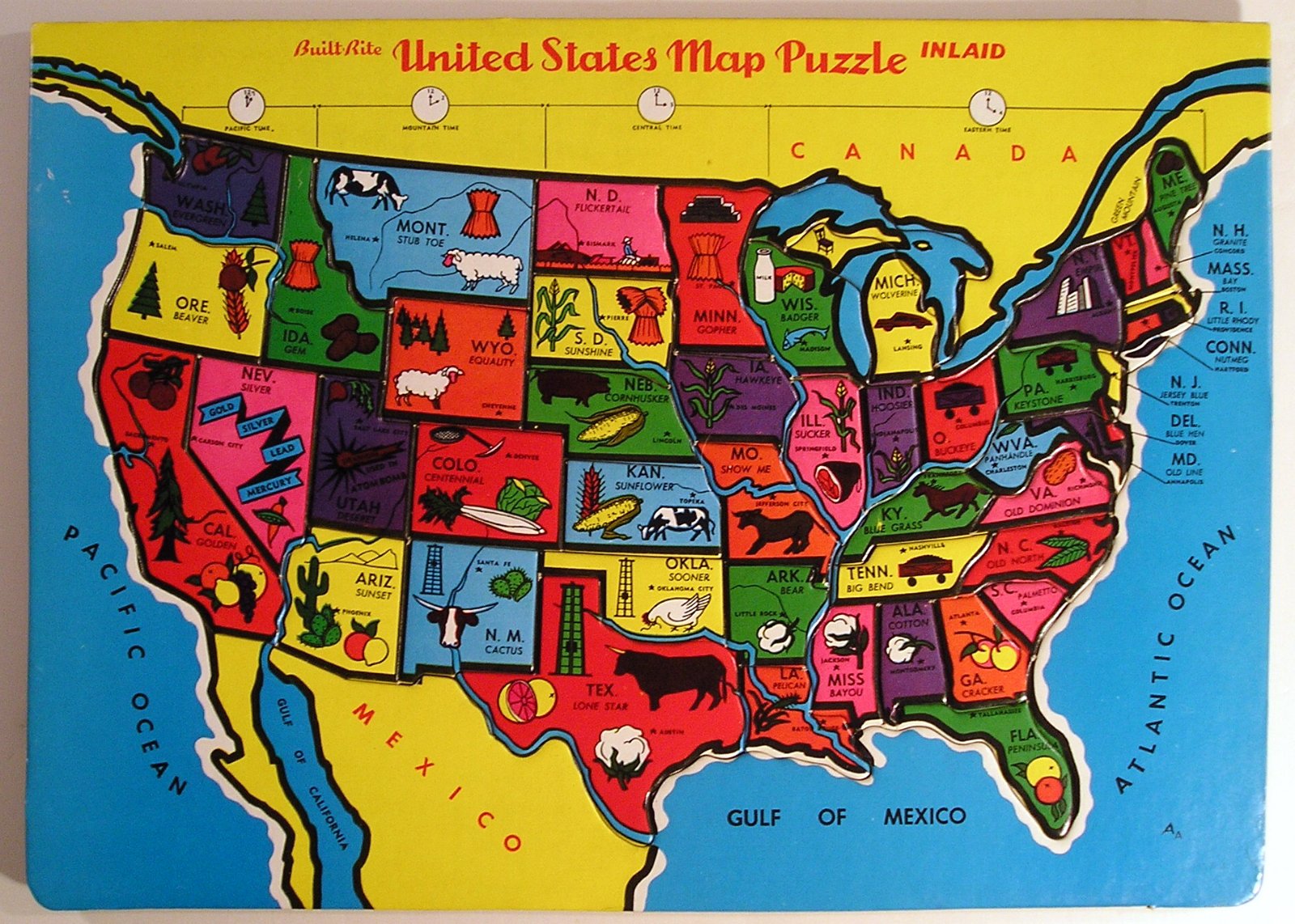
Preschool Development Grants are an opportunity for states to expand access to those children who could benefit most.

In the world of early education policy, we debate the merits of “half-day” versus “full-day” pre-K and kindergarten.

Even as digital tools threaten to render textbooks obsolete, our textbook policies may yet haunt the quality of instructional materials.

Observers of early childhood education in the U.S. would be hard-pressed to find much evidence that the country has any system at all.

Focusing on the importance of the full- and half-day labels is not an abstract, academic exercise. Such labels have consequences.

As states turn to more Pre-K programs, Head Start, which serves more the a million under privileged kids, is being left behind.


The national average for total hours in a public school year is 1,195.

You may be wondering: What is the link between home visiting and children learning to read?
Better reporting requirements for states are necessary.