
Multilingualism and American Schools: Sensible Policies, Senseless Politics
Federal education policies are changing quickly. This means new opportunities, and challenges, for multilingual students.
Big ideas, bold solutions. Explore the latest research, analysis, and policy insights from our experts.
Federal education policies are changing quickly. This means new opportunities, and challenges, for multilingual students.

With a growing number of DLL's in public schools, bilingual teachers are in high demand.

A new study highlights how integrating language supports into mainstream curriculum helps close science achievement gaps for DLLs.

Early screenings have the potential to make a dramatic difference in the developmental trajectory of children with special needs.

Lead teachers and center directors in child care centers need to have a strong understanding of child development.
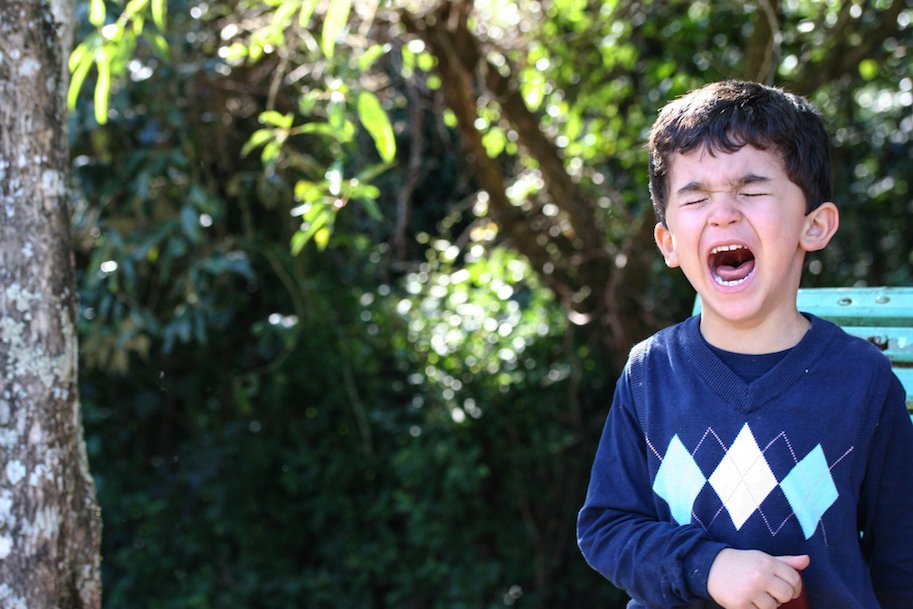
A new study from researchers provides further evidence of the high costs of entering kindergarten without key social-emotional skills.

New America looked at whether states had implemented an approach to assessment by of K- 2 literacy and math.

A new set of briefs reveals trends in early childhood education (ECE) search and decision-making, and quality of experience among Latino.

Inclusion environments for children with special needs are not available often enough in preschool settings, limiting students.

Announcing New America's special coverage of early learning in California.


Research found that the strongest contributors to science achievement gaps are general knowledge gaps that are already present.

Last week, both the Democratic and Republican parties held debates in Michigan and to varying degrees addressed the lead poisoning crisis.

With nearly three-quarters of all U.S. states working with WIDA, the consortium has significant sway over state decision-making for ELLs.

New teacher evaluations aimed at raising standards for students has received push back for its use in promotions, pay and dismissals.